
About This Book
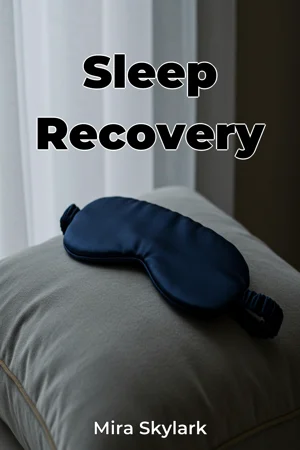
Are you consistently tired, even after a full night's sleep? 'Sleep Recovery' addresses the critical need for quality sleep in modern life, moving beyond simply clocking hours to achieving truly restorative rest. This book delves into the science-backed habits, routines, and lifestyle modifications imperative for deep, rejuvenating sleep. We explore the profound impact sleep has on overall health, athletic performance, cognitive function, and emotional well-being, emphasizing that sleep is not a luxury, but a foundational pillar of optimal living. This book tackles two major areas: the underlying causes of poor sleep quality and practical, actionable strategies for improvement. We will examine factors such as inconsistent sleep schedules, environmental disruptions, stress, diet, and technology use, which erode sleep quality. Alongside the problems, we present a comprehensive toolkit of solutions, encompassing establishing consistent bedtime routines, optimizing sleep environments, managing stress through mindfulness and relaxation techniques, adjusting dietary habits to support sleep, and strategically using technology (or, more often, limiting its use). The central argument is that achieving true sleep recovery requires a holistic approach, addressing not just the symptoms of poor sleep, but also the root causes. It’s about cultivating a lifestyle that prioritizes and supports natural sleep processes. This argument is essential because in today's fast-paced world, sleep deprivation is rampant, leading to decreased productivity, increased risk of chronic diseases, and diminished quality of life. The book begins by introducing the core principles of sleep science, including sleep cycles, circadian rhythms, and the neurobiology of sleep. It establishes a baseline understanding of how sleep works and why it's crucial. The subsequent sections explore specific areas of intervention: crafting personalized bedtime routines tailored to individual needs and preferences; optimizing the sleep environment by focusing on temperature, light, and noise control; stress management techniques, including meditation, deep breathing exercises, and progressive muscle relaxation; dietary adjustments, such as avoiding caffeine and alcohol before bed and incorporating sleep-promoting foods; and responsible technology use, implementing strategies to minimize blue light exposure and reduce screen time before sleep. The book culminates in a multi-faceted actionable plan for readers to implement, track, and modify based on their results. The evidence presented throughout will be grounded in scientific research, clinical studies, and expert opinions from sleep specialists, neurologists, and other healthcare professionals. We will cite published research, meta-analyses, and case studies to support claims and recommendations. 'Sleep Recovery' also connects to other disciplines. It draws from psychology in its exploration of stress management and cognitive behavioral techniques for addressing insomnia. It integrates nutritional science to understand the impact of diet on sleep architecture. The book also acknowledges overlaps with exercise physiology in determining the role of physical activity on sleep quality. These interdisciplinary connections enhance our understanding of sleep as a complex, interwoven process. The unique approach lies in its personalized and practical focus. Rather than offering one-size-fits-all solutions, 'Sleep Recovery' empowers readers to understand their unique sleep challenges and develop customized strategies. The tone is educational and encouraging, presenting complex information in an accessible and actionable way. This is not a dry academic treatise. The writing style is clear, concise, and engaging, using real-world examples and practical tips to illustrate key concepts. 'Sleep Recovery' is aimed at adults of all ages who struggle with sleep issues. This includes those who experience insomnia, restless sleep, daytime fatigue, or difficulty concentrating. This book is for anyone seeking to improve their overall health, well-being, and performance through better sleep. As a health and self-help book, it provides actionable advice supported by scientific evidence, empowering readers to take control of their sleep and transform their lives. The scope of the book is comprehensive but focused. It covers a broad range of sleep-related topics but is primarily concerned with actionable strategies for improving sleep quality. It does not delve into the diagnosis or treatment of serious sleep disorders, which require the care of a medical professional. The information in the book can be applied immediately. Readers can start implementing the recommended habits, routines, and lifestyle adjustments from day one. The book provides tools for tracking progress, assessing effectiveness, and adapting strategies as needed. While the science of sleep is generally well-established, there are ongoing debates regarding the optimal amount of sleep, the effectiveness of certain sleep aids, and the long-term effects of chronic sleep deprivation. This book addresses these debates by presenting a balanced perspective and highlighting areas where further research is needed.
Are you consistently tired, even after a full night's sleep? 'Sleep Recovery' addresses the critical need for quality sleep in modern life, moving beyond simply clocking hours to achieving truly restorative rest. This book delves into the science-backed habits, routines, and lifestyle modifications imperative for deep, rejuvenating sleep. We explore the profound impact sleep has on overall health, athletic performance, cognitive function, and emotional well-being, emphasizing that sleep is not a luxury, but a foundational pillar of optimal living. This book tackles two major areas: the underlying causes of poor sleep quality and practical, actionable strategies for improvement. We will examine factors such as inconsistent sleep schedules, environmental disruptions, stress, diet, and technology use, which erode sleep quality. Alongside the problems, we present a comprehensive toolkit of solutions, encompassing establishing consistent bedtime routines, optimizing sleep environments, managing stress through mindfulness and relaxation techniques, adjusting dietary habits to support sleep, and strategically using technology (or, more often, limiting its use). The central argument is that achieving true sleep recovery requires a holistic approach, addressing not just the symptoms of poor sleep, but also the root causes. It’s about cultivating a lifestyle that prioritizes and supports natural sleep processes. This argument is essential because in today's fast-paced world, sleep deprivation is rampant, leading to decreased productivity, increased risk of chronic diseases, and diminished quality of life. The book begins by introducing the core principles of sleep science, including sleep cycles, circadian rhythms, and the neurobiology of sleep. It establishes a baseline understanding of how sleep works and why it's crucial. The subsequent sections explore specific areas of intervention: crafting personalized bedtime routines tailored to individual needs and preferences; optimizing the sleep environment by focusing on temperature, light, and noise control; stress management techniques, including meditation, deep breathing exercises, and progressive muscle relaxation; dietary adjustments, such as avoiding caffeine and alcohol before bed and incorporating sleep-promoting foods; and responsible technology use, implementing strategies to minimize blue light exposure and reduce screen time before sleep. The book culminates in a multi-faceted actionable plan for readers to implement, track, and modify based on their results. The evidence presented throughout will be grounded in scientific research, clinical studies, and expert opinions from sleep specialists, neurologists, and other healthcare professionals. We will cite published research, meta-analyses, and case studies to support claims and recommendations. 'Sleep Recovery' also connects to other disciplines. It draws from psychology in its exploration of stress management and cognitive behavioral techniques for addressing insomnia. It integrates nutritional science to understand the impact of diet on sleep architecture. The book also acknowledges overlaps with exercise physiology in determining the role of physical activity on sleep quality. These interdisciplinary connections enhance our understanding of sleep as a complex, interwoven process. The unique approach lies in its personalized and practical focus. Rather than offering one-size-fits-all solutions, 'Sleep Recovery' empowers readers to understand their unique sleep challenges and develop customized strategies. The tone is educational and encouraging, presenting complex information in an accessible and actionable way. This is not a dry academic treatise. The writing style is clear, concise, and engaging, using real-world examples and practical tips to illustrate key concepts. 'Sleep Recovery' is aimed at adults of all ages who struggle with sleep issues. This includes those who experience insomnia, restless sleep, daytime fatigue, or difficulty concentrating. This book is for anyone seeking to improve their overall health, well-being, and performance through better sleep. As a health and self-help book, it provides actionable advice supported by scientific evidence, empowering readers to take control of their sleep and transform their lives. The scope of the book is comprehensive but focused. It covers a broad range of sleep-related topics but is primarily concerned with actionable strategies for improving sleep quality. It does not delve into the diagnosis or treatment of serious sleep disorders, which require the care of a medical professional. The information in the book can be applied immediately. Readers can start implementing the recommended habits, routines, and lifestyle adjustments from day one. The book provides tools for tracking progress, assessing effectiveness, and adapting strategies as needed. While the science of sleep is generally well-established, there are ongoing debates regarding the optimal amount of sleep, the effectiveness of certain sleep aids, and the long-term effects of chronic sleep deprivation. This book addresses these debates by presenting a balanced perspective and highlighting areas where further research is needed.
"Sleep Recovery" addresses the widespread issue of poor sleep quality, highlighting that simply getting enough hours isn't enough; restorative sleep is essential for overall health and well-being. The book moves beyond generic advice, delving into the science behind sleep cycles and circadian rhythms, and offering practical strategies to improve sleep quality. For example, did you know that even slight inconsistencies in your sleep schedule can disrupt your body's natural clock? Or that managing stress through mindfulness can significantly impact your ability to fall and stay asleep? The book emphasizes a holistic approach, examining factors like sleep environment, diet, and technology use, and providing actionable solutions. It guides readers in establishing personalized bedtime routines, optimizing their sleep environment, and managing stress through techniques like meditation. The book also addresses the impact of diet, such as avoiding caffeine before bed, and the responsible use of technology to minimize blue light exposure. The book progresses from explaining the core principles of sleep science to exploring specific interventions and culminates with a multi-faceted plan for readers to implement. This personalized and practical focus empowers readers to understand their unique sleep challenges and develop customized strategies for achieving truly restorative sleep.
Book Details
ISBN
9788235256300
Publisher
Publifye AS
Your Licenses
You don't own any licenses for this book
Purchase a license below to unlock this book and download the EPUB.
Purchase License
Select a tier to unlock this book
Need bulk licensing?
Contact us for enterprise agreements.