
About This Book
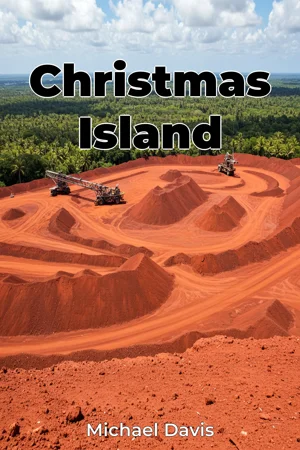
What if a tiny island, thousands of miles from any major landmass, held the key to understanding global resource economics and contentious border security policies? "Christmas Island" delves into the multifaceted story of this Australian territory, an isolated outpost whose history is far more complex than its size suggests. This book uncovers the strategic and economic significance of Christmas Island, examining its pivotal role in phosphate mining and, more recently, its central function in Australia's migration policies. The core arguments of "Christmas Island" focus on three interconnected themes: the island's geological wealth and its impact on regional economics, the evolution of its unique cultural and ecological landscape, and the ethical and geopolitical ramifications of its use as a site for immigration detention. These themes interconnect to reveal how a small, seemingly insignificant landmass has become a critical node in global systems of trade, migration control, and environmental change. Understanding Christmas Island is essential for grappling with larger questions about resource management, national sovereignty, and humanitarian obligations in an increasingly interconnected world. This book provides historical context by tracing the island’s geological formation and its subsequent human history, beginning with its first recorded sighting by European explorers. Early chapters detail the discovery and exploitation of phosphate, the guano-based fertilizer that fueled agricultural booms elsewhere, and the consequent waves of migration that transformed the island's demographics, drawing laborers from China, Malaysia, and Singapore. Later chapters shift focus to more recent developments, specifically Australia’s controversial use of Christmas Island as a processing center for asylum seekers. The structure of "Christmas Island" follows both a chronological and thematic organization, beginning with the island’s natural history and geological uniqueness. It then proceeds to analyze the economic and social impacts of the phosphate industry, followed by a detailed examination of the island’s role in Australian immigration policy. The culmination of the book assesses the long-term implications of these intertwined histories, offering insights into the challenges and opportunities facing island communities in an era of globalization and climate change. The arguments presented are supported by a variety of sources, including archival documents, governmental reports, scientific studies, and first-person accounts from current and former residents of Christmas Island. Unique data sources include geological surveys detailing the extent and composition of phosphate deposits, demographic data illustrating patterns of migration and settlement, and legal analyses examining the human rights implications of Australia's immigration policies. "Christmas Island" connects to various disciplines, including economic geography, political science, environmental studies, and migration studies. The book’s exploration of resource extraction relates to broader debates about sustainable development and resource nationalism. Its analysis of immigration detention connects to ongoing discussions about human rights, border security, and the treatment of refugees. The island’s fragile ecosystem invites considerations of island biogeography, conservation biology and the consequences of environmental degradation. This book offers a unique perspective by situating the local history of Christmas Island within broader global contexts. It challenges conventional narratives about island communities as isolated and marginal, showing instead how they can serve as microcosms of larger planetary forces. The tone and writing style balance academic rigor with accessibility, aiming to reach both scholars and general readers interested in the intersection of economics, politics, and environmental issues. The target audience includes students and scholars in the fields of geography, political science, history, and environmental studies, as well as policymakers, journalists, and anyone interested in understanding the complex dynamics of globalization and migration. This book provides valuable insights into resource management, immigration policy, and the challenges facing island communities worldwide. As a work of non-fiction, "Christmas Island" prioritizes factual accuracy, evidence-based analysis, and balanced presentation of different perspectives. The scope of the book is comprehensive, covering the island’s history from its geological origins to the present day, but with a deliberate focus on the key themes of resource extraction, migration, and environmental change. The information presented in "Christmas Island" has real-world applications for policymakers grappling with issues of resource management, immigration control, and environmental sustainability. It also offers valuable lessons for communities facing similar challenges in other parts of the world. The book addresses ongoing debates about the ethics of immigration detention, the environmental consequences of resource extraction, and the responsibilities of wealthy nations towards vulnerable populations.
What if a tiny island, thousands of miles from any major landmass, held the key to understanding global resource economics and contentious border security policies? "Christmas Island" delves into the multifaceted story of this Australian territory, an isolated outpost whose history is far more complex than its size suggests. This book uncovers the strategic and economic significance of Christmas Island, examining its pivotal role in phosphate mining and, more recently, its central function in Australia's migration policies. The core arguments of "Christmas Island" focus on three interconnected themes: the island's geological wealth and its impact on regional economics, the evolution of its unique cultural and ecological landscape, and the ethical and geopolitical ramifications of its use as a site for immigration detention. These themes interconnect to reveal how a small, seemingly insignificant landmass has become a critical node in global systems of trade, migration control, and environmental change. Understanding Christmas Island is essential for grappling with larger questions about resource management, national sovereignty, and humanitarian obligations in an increasingly interconnected world. This book provides historical context by tracing the island’s geological formation and its subsequent human history, beginning with its first recorded sighting by European explorers. Early chapters detail the discovery and exploitation of phosphate, the guano-based fertilizer that fueled agricultural booms elsewhere, and the consequent waves of migration that transformed the island's demographics, drawing laborers from China, Malaysia, and Singapore. Later chapters shift focus to more recent developments, specifically Australia’s controversial use of Christmas Island as a processing center for asylum seekers. The structure of "Christmas Island" follows both a chronological and thematic organization, beginning with the island’s natural history and geological uniqueness. It then proceeds to analyze the economic and social impacts of the phosphate industry, followed by a detailed examination of the island’s role in Australian immigration policy. The culmination of the book assesses the long-term implications of these intertwined histories, offering insights into the challenges and opportunities facing island communities in an era of globalization and climate change. The arguments presented are supported by a variety of sources, including archival documents, governmental reports, scientific studies, and first-person accounts from current and former residents of Christmas Island. Unique data sources include geological surveys detailing the extent and composition of phosphate deposits, demographic data illustrating patterns of migration and settlement, and legal analyses examining the human rights implications of Australia's immigration policies. "Christmas Island" connects to various disciplines, including economic geography, political science, environmental studies, and migration studies. The book’s exploration of resource extraction relates to broader debates about sustainable development and resource nationalism. Its analysis of immigration detention connects to ongoing discussions about human rights, border security, and the treatment of refugees. The island’s fragile ecosystem invites considerations of island biogeography, conservation biology and the consequences of environmental degradation. This book offers a unique perspective by situating the local history of Christmas Island within broader global contexts. It challenges conventional narratives about island communities as isolated and marginal, showing instead how they can serve as microcosms of larger planetary forces. The tone and writing style balance academic rigor with accessibility, aiming to reach both scholars and general readers interested in the intersection of economics, politics, and environmental issues. The target audience includes students and scholars in the fields of geography, political science, history, and environmental studies, as well as policymakers, journalists, and anyone interested in understanding the complex dynamics of globalization and migration. This book provides valuable insights into resource management, immigration policy, and the challenges facing island communities worldwide. As a work of non-fiction, "Christmas Island" prioritizes factual accuracy, evidence-based analysis, and balanced presentation of different perspectives. The scope of the book is comprehensive, covering the island’s history from its geological origins to the present day, but with a deliberate focus on the key themes of resource extraction, migration, and environmental change. The information presented in "Christmas Island" has real-world applications for policymakers grappling with issues of resource management, immigration control, and environmental sustainability. It also offers valuable lessons for communities facing similar challenges in other parts of the world. The book addresses ongoing debates about the ethics of immigration detention, the environmental consequences of resource extraction, and the responsibilities of wealthy nations towards vulnerable populations.
Christmas Island, an Australian territory, serves as a microcosm for understanding global issues. This book explores the island's complex history, focusing on its strategic importance in resource economics and immigration policy. The story of phosphate mining on Christmas Island, for instance, reveals how a seemingly remote location became a key player in global trade, impacting the island's unique cultural and ecological landscape. The book also examines the ethical and geopolitical implications of using the island as a site for immigration detention, raising critical questions about national sovereignty and humanitarian obligations. The book provides a comprehensive historical context, tracing the island's geological formation to its present-day challenges. It begins with the discovery and exploitation of phosphate, detailing how this resource attracted laborers from various countries and transformed the island's demographics. Later chapters shift to Australia's controversial use of Christmas Island for processing asylum seekers. "Christmas Island" provides valuable insights into how resource management, migration control, and environmental sustainability are intertwined, making it essential reading for anyone interested in politics, history, and the challenges facing island communities in a globalized world.
Book Details
ISBN
9788235256201
Publisher
Publifye AS
Your Licenses
You don't own any licenses for this book
Purchase a license below to unlock this book and download the EPUB.
Purchase License
Select a tier to unlock this book
Need bulk licensing?
Contact us for enterprise agreements.