
About This Book
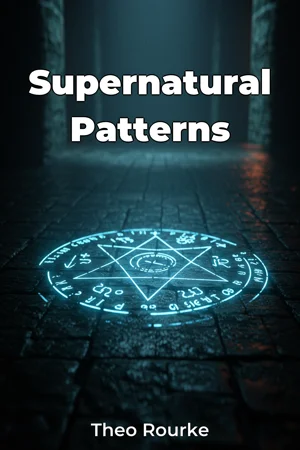
Why do some supernatural stories resonate deeply, while others fall flat? The answer lies not just in imaginative concepts, but in the rigorous application of internal logic to seemingly impossible phenomena. "Supernatural Patterns" delves into the art of world-building in supernatural fiction, exploring how authors create believable and engaging narratives by establishing and adhering to consistent rules within their fictional universes. This book is important because understanding these patterns allows creators to craft more compelling stories, and provides readers with a framework for analyzing and appreciating the genre. This exploration is key to understanding the enduring appeal of supernatural fiction across history and cultures. The book examines how societal anxieties and beliefs often find expression in supernatural narratives. No prior knowledge is needed, but a familiarity with various works of supernatural fiction will enhance the reading experience. "Supernatural Patterns" argues that the most successful supernatural fiction operates under a strict, self-imposed logic. This logic, though often different from scientific understanding, must be internally consistent. The importance of this argument stems from its ability to provide a clear framework for evaluating the quality and effectiveness of supernatural narratives. The book is structured to provide a comprehensive understanding of this concept. First, it introduces the core concept of "supernatural logic" and its function within fictional worlds. The following sections then explore specific patterns and techniques employed by authors. Major points include: (1) the establishment of rules governing supernatural abilities and entities; (2) the exploration of the consequences of breaking those rules; and (3) the examination of how these rules interact with the mundane aspects of the fictional world. The book culminates in a discussion of how these principles can be applied to create more compelling and believable supernatural narratives, focusing on both written and visual mediums. The analysis presented is supported by extensive examples drawn from a wide range of supernatural fiction, including literature, film, and television. The book utilizes a comparative approach, examining how different authors and creators have approached the challenge of codifying the supernatural. Interdisciplinary connections are essential to the book's arguments. Specifically, it draws upon: (1) narrative theory to understand how stories are structured and how meaning is conveyed; (2) cognitive psychology to explore how audiences perceive and engage with fictional worlds; and (3) mythology and folklore studies to understand the cultural origins of many supernatural tropes. "Supernatural Patterns" offers a unique perspective by providing a systematic framework for understanding and analyzing the internal consistency of supernatural fiction. This analytical focus differentiates it from purely descriptive surveys of the genre. Written in a clear and accessible style, the book aims to bridge the gap between academic analysis and practical guidance for creators. The target audience includes writers, filmmakers, game developers, and anyone with a serious interest in understanding the inner workings of supernatural fiction. The book will be valuable to them because it provides tools for creating more believable and engaging stories. As a work of literary and film/television criticism, the book adheres to established conventions of academic scholarship, including clear citations and a rigorous methodology. The scope of the book is broad, encompassing a variety of supernatural subgenres, but it primarily focuses on Western traditions of supernatural fiction. Other cultural traditions are touched upon where they intersect with or influence Western narratives, but a comprehensive survey of global supernatural narratives is beyond its scope. The principles outlined in "Supernatural Patterns" can be applied by writers to refine their world-building, by filmmakers to ensure visual consistency, and by readers to deepen their appreciation of the genre. While the book explores the application of logic within supernatural worlds, it acknowledges the ongoing debate about the nature of belief and disbelief in the context of fiction. It positions itself as a tool for understanding how authors create believable fictions, regardless of the reader's personal beliefs. "Supernatural Patterns" presents a framework for understanding the art and craft of creating believable supernatural narratives.
Why do some supernatural stories resonate deeply, while others fall flat? The answer lies not just in imaginative concepts, but in the rigorous application of internal logic to seemingly impossible phenomena. "Supernatural Patterns" delves into the art of world-building in supernatural fiction, exploring how authors create believable and engaging narratives by establishing and adhering to consistent rules within their fictional universes. This book is important because understanding these patterns allows creators to craft more compelling stories, and provides readers with a framework for analyzing and appreciating the genre. This exploration is key to understanding the enduring appeal of supernatural fiction across history and cultures. The book examines how societal anxieties and beliefs often find expression in supernatural narratives. No prior knowledge is needed, but a familiarity with various works of supernatural fiction will enhance the reading experience. "Supernatural Patterns" argues that the most successful supernatural fiction operates under a strict, self-imposed logic. This logic, though often different from scientific understanding, must be internally consistent. The importance of this argument stems from its ability to provide a clear framework for evaluating the quality and effectiveness of supernatural narratives. The book is structured to provide a comprehensive understanding of this concept. First, it introduces the core concept of "supernatural logic" and its function within fictional worlds. The following sections then explore specific patterns and techniques employed by authors. Major points include: (1) the establishment of rules governing supernatural abilities and entities; (2) the exploration of the consequences of breaking those rules; and (3) the examination of how these rules interact with the mundane aspects of the fictional world. The book culminates in a discussion of how these principles can be applied to create more compelling and believable supernatural narratives, focusing on both written and visual mediums. The analysis presented is supported by extensive examples drawn from a wide range of supernatural fiction, including literature, film, and television. The book utilizes a comparative approach, examining how different authors and creators have approached the challenge of codifying the supernatural. Interdisciplinary connections are essential to the book's arguments. Specifically, it draws upon: (1) narrative theory to understand how stories are structured and how meaning is conveyed; (2) cognitive psychology to explore how audiences perceive and engage with fictional worlds; and (3) mythology and folklore studies to understand the cultural origins of many supernatural tropes. "Supernatural Patterns" offers a unique perspective by providing a systematic framework for understanding and analyzing the internal consistency of supernatural fiction. This analytical focus differentiates it from purely descriptive surveys of the genre. Written in a clear and accessible style, the book aims to bridge the gap between academic analysis and practical guidance for creators. The target audience includes writers, filmmakers, game developers, and anyone with a serious interest in understanding the inner workings of supernatural fiction. The book will be valuable to them because it provides tools for creating more believable and engaging stories. As a work of literary and film/television criticism, the book adheres to established conventions of academic scholarship, including clear citations and a rigorous methodology. The scope of the book is broad, encompassing a variety of supernatural subgenres, but it primarily focuses on Western traditions of supernatural fiction. Other cultural traditions are touched upon where they intersect with or influence Western narratives, but a comprehensive survey of global supernatural narratives is beyond its scope. The principles outlined in "Supernatural Patterns" can be applied by writers to refine their world-building, by filmmakers to ensure visual consistency, and by readers to deepen their appreciation of the genre. While the book explores the application of logic within supernatural worlds, it acknowledges the ongoing debate about the nature of belief and disbelief in the context of fiction. It positions itself as a tool for understanding how authors create believable fictions, regardless of the reader's personal beliefs. "Supernatural Patterns" presents a framework for understanding the art and craft of creating believable supernatural narratives.
"Supernatural Patterns" explores the often-overlooked logic underpinning successful supernatural narratives in film, television, and literature. It argues that the most compelling stories aren't just about fantastical elements, but about establishing and adhering to consistent rules within their fictional worlds. This approach provides both creators and fans with a framework for analyzing and appreciating the genre. Discover how understanding narrative theory and genre analysis, authors create believable worlds where societal anxieties and beliefs find expression. The book progresses by first introducing the core concept of "supernatural logic" and its function within fictional worlds. Subsequent sections then explore specific patterns and techniques employed by authors, such as establishing rules for supernatural abilities and exploring the consequences of breaking them. By examining the intersection of these rules with mundane aspects, the book ultimately demonstrates how these principles can be applied to create more compelling and believable supernatural narratives.
Book Details
ISBN
9788235255877
Publisher
Publifye AS
Your Licenses
You don't own any licenses for this book
Purchase a license below to unlock this book and download the EPUB.
Purchase License
Select a tier to unlock this book
Need bulk licensing?
Contact us for enterprise agreements.