
About This Book
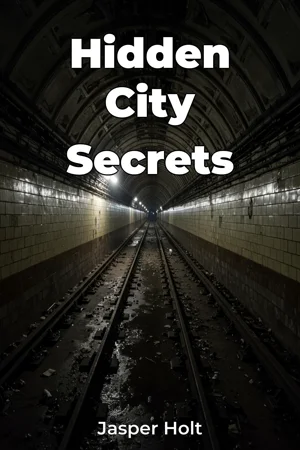
What secrets lie beneath the bustling streets of the world's most iconic cities? *Hidden City Secrets* delves into the captivating realm of subterranean exploration, revealing the hidden tunnels, forgotten subway stations, and concealed spaces that exist just beneath our feet. This book is a journey into the historical, architectural, and social narratives etched into the urban underground. We explore the historical context of these hidden spaces, examining how they were created, why they were abandoned, and the purposes they once served. From ancient aqueducts providing life-sustaining water to clandestine Cold War bunkers designed to protect against nuclear attack, the book unearths the past lives of these subterranean realms. We will analyze the evolution of urban infrastructure, focusing on how the construction and subsequent abandonment of these spaces reflect the changing needs and priorities of city dwellers. The central argument of *Hidden City Secrets* is that these hidden spaces offer a unique and tangible connection to urban history, providing insights into the ingenuity, aspirations, and fears of past generations. They are time capsules, preserving stories that would otherwise be lost to the relentless march of progress. The book is structured in three main parts. The first part introduces the concept of the "hidden city" and establishes the historical and geological context for underground construction. The second part is split into three chapters, each dedicated to specific types of hidden spaces: transportation systems (abandoned subway lines, forgotten train tunnels), infrastructure networks (aqueducts, sewers, utility tunnels), and shelter spaces (bomb shelters, catacombs, crypts). Each chapter will explore case studies from cities around the globe, from the Paris Catacombs to the Seattle Underground. The final section examines the modern-day relevance of these hidden spaces, exploring current preservation efforts, potential reuses, and their impact on urban planning and development. Our exploration is supported by archival research, historical maps, and insights from urban explorers, historians, and engineers. The book draws on a range of sources, including city planning documents, engineering reports, and personal accounts, offering a comprehensive and multifaceted view of these hidden worlds. *Hidden City Secrets* directly connects to the fields of urban planning, architectural history, and archaeology. By understanding how cities have evolved beneath the surface, we can gain a deeper appreciation for the complexities of urban development. Moreover, the book touches on sociology, exploring how these spaces reflect social inequalities, technological advancements, and cultural shifts. A key differentiating factor of this book is its holistic approach. Rather than focusing solely on the architectural or engineering aspects, it integrates historical, social, and cultural perspectives to provide a complete understanding of these spaces and their significance. Written in a narrative non-fiction style, the book aims to be both informative and engaging, appealing to a broad audience interested in history, urban exploration, and architectural marvels. The target audience includes urban enthusiasts, history buffs, armchair travelers, and anyone curious about the hidden world beneath their feet. The scope of the book encompasses a diverse range of cities across different continents, showcasing the global phenomenon of hidden urban spaces. However, it intentionally limits its focus to spaces that are demonstrably "hidden" – either physically inaccessible or largely unknown to the general public. This book does not aim to be an exhaustive catalog of every underground structure, but rather a curated exploration of the most intriguing and historically significant sites. Knowledge of architectural principles or engineering is not needed to enjoy this book. The book provides necessary background information to understand the systems and structures being written about. The book offers practical implications for urban planners and preservationists, highlighting the potential for adaptive reuse and the importance of preserving these spaces for future generations. It also encourages readers to consider the hidden dimensions of their own cities, inviting them to become urban explorers in their own right.
What secrets lie beneath the bustling streets of the world's most iconic cities? *Hidden City Secrets* delves into the captivating realm of subterranean exploration, revealing the hidden tunnels, forgotten subway stations, and concealed spaces that exist just beneath our feet. This book is a journey into the historical, architectural, and social narratives etched into the urban underground. We explore the historical context of these hidden spaces, examining how they were created, why they were abandoned, and the purposes they once served. From ancient aqueducts providing life-sustaining water to clandestine Cold War bunkers designed to protect against nuclear attack, the book unearths the past lives of these subterranean realms. We will analyze the evolution of urban infrastructure, focusing on how the construction and subsequent abandonment of these spaces reflect the changing needs and priorities of city dwellers. The central argument of *Hidden City Secrets* is that these hidden spaces offer a unique and tangible connection to urban history, providing insights into the ingenuity, aspirations, and fears of past generations. They are time capsules, preserving stories that would otherwise be lost to the relentless march of progress. The book is structured in three main parts. The first part introduces the concept of the "hidden city" and establishes the historical and geological context for underground construction. The second part is split into three chapters, each dedicated to specific types of hidden spaces: transportation systems (abandoned subway lines, forgotten train tunnels), infrastructure networks (aqueducts, sewers, utility tunnels), and shelter spaces (bomb shelters, catacombs, crypts). Each chapter will explore case studies from cities around the globe, from the Paris Catacombs to the Seattle Underground. The final section examines the modern-day relevance of these hidden spaces, exploring current preservation efforts, potential reuses, and their impact on urban planning and development. Our exploration is supported by archival research, historical maps, and insights from urban explorers, historians, and engineers. The book draws on a range of sources, including city planning documents, engineering reports, and personal accounts, offering a comprehensive and multifaceted view of these hidden worlds. *Hidden City Secrets* directly connects to the fields of urban planning, architectural history, and archaeology. By understanding how cities have evolved beneath the surface, we can gain a deeper appreciation for the complexities of urban development. Moreover, the book touches on sociology, exploring how these spaces reflect social inequalities, technological advancements, and cultural shifts. A key differentiating factor of this book is its holistic approach. Rather than focusing solely on the architectural or engineering aspects, it integrates historical, social, and cultural perspectives to provide a complete understanding of these spaces and their significance. Written in a narrative non-fiction style, the book aims to be both informative and engaging, appealing to a broad audience interested in history, urban exploration, and architectural marvels. The target audience includes urban enthusiasts, history buffs, armchair travelers, and anyone curious about the hidden world beneath their feet. The scope of the book encompasses a diverse range of cities across different continents, showcasing the global phenomenon of hidden urban spaces. However, it intentionally limits its focus to spaces that are demonstrably "hidden" – either physically inaccessible or largely unknown to the general public. This book does not aim to be an exhaustive catalog of every underground structure, but rather a curated exploration of the most intriguing and historically significant sites. Knowledge of architectural principles or engineering is not needed to enjoy this book. The book provides necessary background information to understand the systems and structures being written about. The book offers practical implications for urban planners and preservationists, highlighting the potential for adaptive reuse and the importance of preserving these spaces for future generations. It also encourages readers to consider the hidden dimensions of their own cities, inviting them to become urban explorers in their own right.
"Hidden City Secrets" explores the captivating world beneath our feet, revealing the hidden tunnels, forgotten subway stations, and concealed spaces that exist just beneath the surface of iconic cities. This journey into subterranean exploration unearths the historical, architectural, and social narratives etched into these urban undergrounds. Learn about the evolution of infrastructure networks, from ancient aqueducts to Cold War bomb shelters, and discover how these spaces reflect the changing needs and priorities of city dwellers. The book presents a unique and tangible connection to urban history, offering insights into the ingenuity, aspirations, and fears of past generations. Structured in three parts, "Hidden City Secrets" first introduces the concept of the "hidden city," then delves into specific types of hidden spaces like abandoned transportation systems and shelter spaces, using case studies from cities worldwide. Finally, it examines the modern-day relevance of these hidden spaces, exploring preservation efforts and their impact on urban planning.
Book Details
ISBN
9788235255723
Publisher
Publifye AS
Your Licenses
You don't own any licenses for this book
Purchase a license below to unlock this book and download the EPUB.
Purchase License
Select a tier to unlock this book
Need bulk licensing?
Contact us for enterprise agreements.