
About This Book
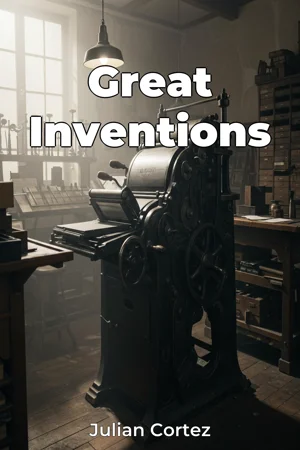
How have pivotal inventions reshaped our world and daily lives? "Great Inventions" explores the transformative power of human ingenuity, focusing on inventions such as the printing press, the steam engine, and the light bulb, examining their profound impact on society, economy, and culture. This book is vital because understanding the history of technology is crucial for comprehending the present and anticipating the future. By examining these inventions, we gain insight into the dynamics of innovation, the interplay between technology and society, and the continuous evolution of human civilization. The book provides historical context, detailing the social and economic conditions that fostered their development. It also explains relevant scientific principles in an accessible manner, requiring no specialized knowledge from the reader. The central argument is that technological advancements are not merely isolated innovations but are deeply intertwined with societal needs, cultural values, and economic forces. Each invention is a product of its time, and, in turn, each shapes the future in unforeseen ways. The book opens with an introduction to the concept of technological breakthroughs and their ripple effects. The discussion then proceeds chronologically through several major inventions: a) The Printing Press: Exploring its role in democratizing knowledge, enabling the Reformation, and fueling the scientific revolution. b) The Steam Engine: Detailing its impact on the Industrial Revolution, transforming manufacturing, transportation, and global trade. c) The Light Bulb: Analyzing its effect on urbanization, extending the workday, and reshaping social life. Each section will delve into the invention's history, the science behind it, its impact on various aspects of life, and its legacy. The evidence presented is drawn from a range of sources, including historical documents, scientific literature, engineering diagrams, and economic data. The book will synthesize existing research and also offer fresh perspectives on these well-studied topics. "Great Inventions" connects to various fields of study, including: a) History: Understanding how technology has driven social, political, and economic change throughout history. b) Sociology: Examining the impact of technology on social structures, human behavior, and cultural norms. c) Economics: Analyzing how technology has influenced productivity, wealth distribution, and economic growth. The book offers a holistic approach by examining not only the technical aspects of these inventions but also their broader social and economic consequences. Specifically, it explores the unintended consequences and ethical considerations associated with technological progress. The tone is informative and engaging, aimed at making complex information accessible to a broad audience. The writing style balances historical narrative with technical explanation, making the book both educational and enjoyable to read. The target audience includes students, history enthusiasts, technology buffs, and anyone curious about the forces that have shaped the modern world. The book would be valuable to readers seeking a deeper understanding of technology's influence on society and the intricate relationship between innovation and human progress. As a work of history and technology, the book adheres to the genre conventions of accuracy, objectivity, and evidence-based analysis. The scope is intentionally limited to a selection of inventions that have had a particularly transformative impact, allowing for in-depth exploration of each case. While there are many other important innovations, the focused approach enables a richer understanding of the complex dynamics at play. The insights from "Great Inventions" can be applied in various contexts, from understanding the current technological landscape to making informed decisions about the future. The book encourages readers to critically assess the impact of technology on their own lives and to consider the ethical implications of future innovations. The book also touches on the ongoing debates surrounding technological determinism versus social constructivism, exploring the extent to which technology shapes society versus the extent to which society shapes technology. By presenting different perspectives, the book encourages readers to form their own informed opinions on these complex issues.
How have pivotal inventions reshaped our world and daily lives? "Great Inventions" explores the transformative power of human ingenuity, focusing on inventions such as the printing press, the steam engine, and the light bulb, examining their profound impact on society, economy, and culture. This book is vital because understanding the history of technology is crucial for comprehending the present and anticipating the future. By examining these inventions, we gain insight into the dynamics of innovation, the interplay between technology and society, and the continuous evolution of human civilization. The book provides historical context, detailing the social and economic conditions that fostered their development. It also explains relevant scientific principles in an accessible manner, requiring no specialized knowledge from the reader. The central argument is that technological advancements are not merely isolated innovations but are deeply intertwined with societal needs, cultural values, and economic forces. Each invention is a product of its time, and, in turn, each shapes the future in unforeseen ways. The book opens with an introduction to the concept of technological breakthroughs and their ripple effects. The discussion then proceeds chronologically through several major inventions: a) The Printing Press: Exploring its role in democratizing knowledge, enabling the Reformation, and fueling the scientific revolution. b) The Steam Engine: Detailing its impact on the Industrial Revolution, transforming manufacturing, transportation, and global trade. c) The Light Bulb: Analyzing its effect on urbanization, extending the workday, and reshaping social life. Each section will delve into the invention's history, the science behind it, its impact on various aspects of life, and its legacy. The evidence presented is drawn from a range of sources, including historical documents, scientific literature, engineering diagrams, and economic data. The book will synthesize existing research and also offer fresh perspectives on these well-studied topics. "Great Inventions" connects to various fields of study, including: a) History: Understanding how technology has driven social, political, and economic change throughout history. b) Sociology: Examining the impact of technology on social structures, human behavior, and cultural norms. c) Economics: Analyzing how technology has influenced productivity, wealth distribution, and economic growth. The book offers a holistic approach by examining not only the technical aspects of these inventions but also their broader social and economic consequences. Specifically, it explores the unintended consequences and ethical considerations associated with technological progress. The tone is informative and engaging, aimed at making complex information accessible to a broad audience. The writing style balances historical narrative with technical explanation, making the book both educational and enjoyable to read. The target audience includes students, history enthusiasts, technology buffs, and anyone curious about the forces that have shaped the modern world. The book would be valuable to readers seeking a deeper understanding of technology's influence on society and the intricate relationship between innovation and human progress. As a work of history and technology, the book adheres to the genre conventions of accuracy, objectivity, and evidence-based analysis. The scope is intentionally limited to a selection of inventions that have had a particularly transformative impact, allowing for in-depth exploration of each case. While there are many other important innovations, the focused approach enables a richer understanding of the complex dynamics at play. The insights from "Great Inventions" can be applied in various contexts, from understanding the current technological landscape to making informed decisions about the future. The book encourages readers to critically assess the impact of technology on their own lives and to consider the ethical implications of future innovations. The book also touches on the ongoing debates surrounding technological determinism versus social constructivism, exploring the extent to which technology shapes society versus the extent to which society shapes technology. By presenting different perspectives, the book encourages readers to form their own informed opinions on these complex issues.
"Great Inventions" explores how pivotal technological advancements, like the printing press and steam engine, have reshaped society, economy, and culture. Examining human ingenuity, the book highlights the often-unforeseen social and economic consequences of innovation. For example, the light bulb's influence extended beyond mere illumination, significantly altering urbanization and extending the workday, impacting social life. The book provides historical context and explains relevant scientific principles in an accessible manner. It argues that technological advancements are deeply intertwined with societal needs and economic forces. Progressing chronologically, the book delves into the history, science, impact, and legacy of each invention. By examining the social impact and economic impact of innovations, "Great Inventions" offers a holistic understanding of technology's role in shaping the modern world. This exploration encourages critical assessment of technology's influence and ethical considerations, offering insights applicable to both the current technological landscape and future innovations.
Book Details
ISBN
9788235255358
Publisher
Publifye AS
Your Licenses
You don't own any licenses for this book
Purchase a license below to unlock this book and download the EPUB.
Purchase License
Select a tier to unlock this book
Need bulk licensing?
Contact us for enterprise agreements.