
About This Book
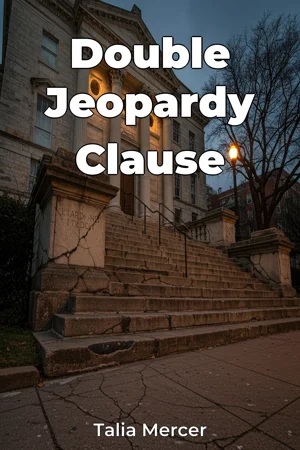
Can a person be tried twice for the same crime? The Fifth Amendment to the United States Constitution provides a safeguard against double jeopardy, but its application in modern criminal law, particularly regarding retrials and appeals, is far from straightforward. This book, "Double Jeopardy Clause," unpacks the complexities of this constitutional protection, offering a detailed examination of its historical roots, legal interpretations, and ongoing impact on the American justice system. It is especially geared to those in politics and academia. This book will delve into three key topics. First, the core principles of double jeopardy: what constitutes the "same offense," when jeopardy "attaches," and the exceptions to the rule. Second, the nuances of retrials following hung juries, prosecutorial misconduct, and judicial errors, exploring the circumstances under which a second trial is permissible. Finally, we will dissect the interplay between double jeopardy and the appellate process, examining how appeals by the prosecution and the defense can affect the application of the clause. Understanding these topics is crucial because the double jeopardy protections are central to ensuring fair treatment of the accused, preventing governmental overreach, and maintaining the integrity of the legal system. The book provides historical context, tracing the evolution of double jeopardy principles from English common law to their codification in the U.S. Constitution and subsequent interpretation of court rulings. Readers will gain an understanding of landmark Supreme Court cases that have shaped the modern understanding of the clause. The central argument of this book is that the double jeopardy clause, while seemingly simple on its face, is a dynamic and contested area of law. The application requires careful balancing of the individual's right to be free from repeated prosecution with the government's interest in enforcing the law and seeking justice. This balance has shifted over time, influenced by societal values, prosecutorial strategies, and judicial philosophies. The book is structured to provide a comprehensive overview. It begins by introducing the fundamental principles of double jeopardy, explaining the circumstances under which it applies. It then develops these ideas through analyses of retrials, examining the specific scenarios in which a retrial is, or is not, barred by the double jeopardy clause. A significant portion of the book is dedicated to the appellate process, analyzing how prosecution appeals, defense appeals, and collateral attacks on convictions impact double jeopardy protections. The book culminates by exploring the practical implications of the double jeopardy clause in contemporary criminal justice, discussing its influence on plea bargaining, sentencing, and post-conviction relief. The analysis presented is supported by case law, statutory provisions, and scholarly commentary. We draw upon Supreme Court decisions, federal and state court rulings, and legal literature to provide a well-rounded and substantiated examination of the double jeopardy clause. The book connects the study of double jeopardy to related fields. It intersects with constitutional law, particularly the interpretation of the Fifth Amendment. It also connects with criminal procedure, specifically rules governing trials, appeals, and post-conviction remedies; and legal history, tracing the evolution of the double jeopardy principle over centuries. A distinctive feature of this book is its emphasis on the practical realities of double jeopardy litigation. It moves beyond abstract legal theory to examine how the clause functions in the everyday workings of the criminal justice system. This book aims to be academically sound and accessible to a wide audience. The writing style is professional, clear, and concise, avoiding legal jargon where possible and explaining complex legal concepts in plain language. The target audience for this book includes law students, legal scholars, attorneys specializing in criminal law, and anyone interested in constitutional law and criminal justice. This book will also be relevant to policymakers and legislators involved in shaping criminal justice policy. As a work of academic legal analysis, the book adheres to the genre's conventions of objectivity, rigorous research, and clear argumentation. It presents a balanced perspective, acknowledging different viewpoints and addressing potential counterarguments. The book delves into federal constitutional law related to double jeopardy, and it also considers state constitutional law protections that provide additional safeguards. The book does not delve into international law or comparative constitutional law. Understanding double jeopardy isn't just theoretical; it has real-world applications. Criminal defense attorneys use it to protect their clients from overzealous prosecution. Prosecutors must be aware of its limitations when making charging decisions and pursuing appeals. Judges must carefully consider its implications when ruling on motions and instructing juries. The book addresses ongoing debates surrounding the scope of the double jeopardy clause, particularly in relation to successive prosecutions by different sovereigns and the application of the "dual sovereignty" doctrine. It also discusses controversies regarding exceptions to the double jeopardy rule, such as the "separate and distinct offenses" exception.
Can a person be tried twice for the same crime? The Fifth Amendment to the United States Constitution provides a safeguard against double jeopardy, but its application in modern criminal law, particularly regarding retrials and appeals, is far from straightforward. This book, "Double Jeopardy Clause," unpacks the complexities of this constitutional protection, offering a detailed examination of its historical roots, legal interpretations, and ongoing impact on the American justice system. It is especially geared to those in politics and academia. This book will delve into three key topics. First, the core principles of double jeopardy: what constitutes the "same offense," when jeopardy "attaches," and the exceptions to the rule. Second, the nuances of retrials following hung juries, prosecutorial misconduct, and judicial errors, exploring the circumstances under which a second trial is permissible. Finally, we will dissect the interplay between double jeopardy and the appellate process, examining how appeals by the prosecution and the defense can affect the application of the clause. Understanding these topics is crucial because the double jeopardy protections are central to ensuring fair treatment of the accused, preventing governmental overreach, and maintaining the integrity of the legal system. The book provides historical context, tracing the evolution of double jeopardy principles from English common law to their codification in the U.S. Constitution and subsequent interpretation of court rulings. Readers will gain an understanding of landmark Supreme Court cases that have shaped the modern understanding of the clause. The central argument of this book is that the double jeopardy clause, while seemingly simple on its face, is a dynamic and contested area of law. The application requires careful balancing of the individual's right to be free from repeated prosecution with the government's interest in enforcing the law and seeking justice. This balance has shifted over time, influenced by societal values, prosecutorial strategies, and judicial philosophies. The book is structured to provide a comprehensive overview. It begins by introducing the fundamental principles of double jeopardy, explaining the circumstances under which it applies. It then develops these ideas through analyses of retrials, examining the specific scenarios in which a retrial is, or is not, barred by the double jeopardy clause. A significant portion of the book is dedicated to the appellate process, analyzing how prosecution appeals, defense appeals, and collateral attacks on convictions impact double jeopardy protections. The book culminates by exploring the practical implications of the double jeopardy clause in contemporary criminal justice, discussing its influence on plea bargaining, sentencing, and post-conviction relief. The analysis presented is supported by case law, statutory provisions, and scholarly commentary. We draw upon Supreme Court decisions, federal and state court rulings, and legal literature to provide a well-rounded and substantiated examination of the double jeopardy clause. The book connects the study of double jeopardy to related fields. It intersects with constitutional law, particularly the interpretation of the Fifth Amendment. It also connects with criminal procedure, specifically rules governing trials, appeals, and post-conviction remedies; and legal history, tracing the evolution of the double jeopardy principle over centuries. A distinctive feature of this book is its emphasis on the practical realities of double jeopardy litigation. It moves beyond abstract legal theory to examine how the clause functions in the everyday workings of the criminal justice system. This book aims to be academically sound and accessible to a wide audience. The writing style is professional, clear, and concise, avoiding legal jargon where possible and explaining complex legal concepts in plain language. The target audience for this book includes law students, legal scholars, attorneys specializing in criminal law, and anyone interested in constitutional law and criminal justice. This book will also be relevant to policymakers and legislators involved in shaping criminal justice policy. As a work of academic legal analysis, the book adheres to the genre's conventions of objectivity, rigorous research, and clear argumentation. It presents a balanced perspective, acknowledging different viewpoints and addressing potential counterarguments. The book delves into federal constitutional law related to double jeopardy, and it also considers state constitutional law protections that provide additional safeguards. The book does not delve into international law or comparative constitutional law. Understanding double jeopardy isn't just theoretical; it has real-world applications. Criminal defense attorneys use it to protect their clients from overzealous prosecution. Prosecutors must be aware of its limitations when making charging decisions and pursuing appeals. Judges must carefully consider its implications when ruling on motions and instructing juries. The book addresses ongoing debates surrounding the scope of the double jeopardy clause, particularly in relation to successive prosecutions by different sovereigns and the application of the "dual sovereignty" doctrine. It also discusses controversies regarding exceptions to the double jeopardy rule, such as the "separate and distinct offenses" exception.
"Double Jeopardy Clause" explores the intricacies of the Fifth Amendment's protection against being tried twice for the same crime, a cornerstone of Constitutional Law and Criminal Justice. This book examines the historical roots and modern legal interpretations of this clause, especially concerning retrials and appeals. One intriguing aspect is how the definition of "same offense" has evolved through Supreme Court Cases, impacting the balance between individual rights and governmental power. Another is the "dual sovereignty" doctrine, allowing separate prosecutions by state and federal entities for the same actions, a point of ongoing debate. The book uniquely emphasizes the practical application of the Double Jeopardy Clause, moving beyond abstract theory to examine its impact on plea bargaining, sentencing, and post-conviction relief. It begins by laying out the core principles, then progresses through nuanced analyses of retrials following prosecutorial misconduct or judicial errors, and further dissects the appellate process. By connecting double jeopardy to related fields like criminal procedure and legal history, the book provides a comprehensive and accessible understanding, making it valuable for legal scholars, attorneys, and anyone interested in the intersection of politics and academia.
Book Details
ISBN
9788235255235
Publisher
Publifye AS
Your Licenses
You don't own any licenses for this book
Purchase a license below to unlock this book and download the EPUB.
Purchase License
Select a tier to unlock this book
Need bulk licensing?
Contact us for enterprise agreements.