
About This Book
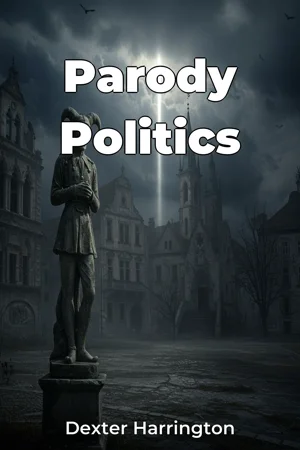
Can humor truly shape policy? "Parody Politics" delves into the increasingly blurred lines between satire and political discourse, examining how comedic performances and fabricated news have evolved from mere entertainment to potent forces influencing public opinion and political outcomes. This book investigates the multifaceted role of satire in contemporary politics, providing a comprehensive analysis of its impact on civic engagement, partisan polarization, and the very nature of political debate. We explore three key areas: the historical roots of political satire, its modern manifestations across various media platforms, and its measurable impact on audience perceptions and behaviors. Understanding the trajectory of political satire, from ancient lampoons to present-day digital memes, is crucial to grasping its current significance. The book analyzes how satire operates within established news media, late-night television, and the burgeoning landscape of online parody news sites and social media, detailing the unique characteristics of each medium and its particular reach. Finally, we examine empirical evidence on how exposure to political satire affects individuals' attitudes toward political figures, policy issues, and even their own political participation. These explorations are important because satire, once relegated to the fringes of political commentary, now occupies a central, often disruptive, position in the public sphere. Historically, satire has served as a vehicle for social critique, holding power accountable through ridicule and exaggeration. The advent of television and the internet has amplified satire's reach, creating new avenues for comedic commentary to penetrate the political consciousness. The book argues that while satire can be a valuable tool for promoting critical thinking and civic engagement, it also presents risks, including the potential for misinformation, increased cynicism, and the reinforcement of existing biases. The central thesis posits that satire’s effectiveness depends heavily on audience media literacy, the intent of the satirist, and the broader political climate in which it is consumed. "Parody Politics" is structured to provide a clear and compelling narrative. The opening chapters establish the theoretical framework for understanding political satire, drawing upon scholarship from communication studies, political science, and media studies. We then trace the evolution of political satire, analyzing key historical moments and influential figures. Subsequent sections examine contemporary examples of satire in television, online news, and social media, dissecting the techniques used and their intended effects. The book culminates with an analysis of empirical research on the impact of satire on political attitudes and behaviors, offering practical recommendations for navigating the complex landscape of satirical media. The analysis relies on a variety of sources, including content analysis of satirical texts, audience surveys, and experimental studies. The book also draws upon interviews with satirists, journalists, and political commentators, offering diverse perspectives on the role of satire in politics. The interdisciplinary nature of the book is one of its strengths, highlighting connections between political science, communication studies, and media psychology. Specifically, we examine how psychological biases influence the interpretation of satire, how communication theories explain its persuasive power, and how political science frameworks elucidate its impact on governance. The book distinguishes itself by offering a nuanced and evidence-based assessment of political satire, moving beyond simplistic claims about its positive or negative effects. It recognizes the inherent complexities of satire, acknowledging its potential to both enlighten and mislead. Written in an accessible yet scholarly tone, "Parody Politics" is aimed at a broad audience, including students, researchers, journalists, and anyone interested in the intersection of humor and politics. It provides valuable insights for understanding the media landscape and engaging critically with political information. While the book covers a wide range of examples and perspectives, it focuses primarily on the United States and Western Europe, acknowledging the unique political and media contexts of these regions. The applications of the information are numerous, from helping citizens become more discerning consumers of news to informing policymakers about the potential impact of satire on public discourse. The book addresses ongoing debates about the role of satire in a polarized society, exploring concerns about "fake news" and the erosion of trust in traditional media. By providing a comprehensive and nuanced analysis of political satire, "Parody Politics" offers a valuable contribution to our understanding of contemporary political communication.
Can humor truly shape policy? "Parody Politics" delves into the increasingly blurred lines between satire and political discourse, examining how comedic performances and fabricated news have evolved from mere entertainment to potent forces influencing public opinion and political outcomes. This book investigates the multifaceted role of satire in contemporary politics, providing a comprehensive analysis of its impact on civic engagement, partisan polarization, and the very nature of political debate. We explore three key areas: the historical roots of political satire, its modern manifestations across various media platforms, and its measurable impact on audience perceptions and behaviors. Understanding the trajectory of political satire, from ancient lampoons to present-day digital memes, is crucial to grasping its current significance. The book analyzes how satire operates within established news media, late-night television, and the burgeoning landscape of online parody news sites and social media, detailing the unique characteristics of each medium and its particular reach. Finally, we examine empirical evidence on how exposure to political satire affects individuals' attitudes toward political figures, policy issues, and even their own political participation. These explorations are important because satire, once relegated to the fringes of political commentary, now occupies a central, often disruptive, position in the public sphere. Historically, satire has served as a vehicle for social critique, holding power accountable through ridicule and exaggeration. The advent of television and the internet has amplified satire's reach, creating new avenues for comedic commentary to penetrate the political consciousness. The book argues that while satire can be a valuable tool for promoting critical thinking and civic engagement, it also presents risks, including the potential for misinformation, increased cynicism, and the reinforcement of existing biases. The central thesis posits that satire’s effectiveness depends heavily on audience media literacy, the intent of the satirist, and the broader political climate in which it is consumed. "Parody Politics" is structured to provide a clear and compelling narrative. The opening chapters establish the theoretical framework for understanding political satire, drawing upon scholarship from communication studies, political science, and media studies. We then trace the evolution of political satire, analyzing key historical moments and influential figures. Subsequent sections examine contemporary examples of satire in television, online news, and social media, dissecting the techniques used and their intended effects. The book culminates with an analysis of empirical research on the impact of satire on political attitudes and behaviors, offering practical recommendations for navigating the complex landscape of satirical media. The analysis relies on a variety of sources, including content analysis of satirical texts, audience surveys, and experimental studies. The book also draws upon interviews with satirists, journalists, and political commentators, offering diverse perspectives on the role of satire in politics. The interdisciplinary nature of the book is one of its strengths, highlighting connections between political science, communication studies, and media psychology. Specifically, we examine how psychological biases influence the interpretation of satire, how communication theories explain its persuasive power, and how political science frameworks elucidate its impact on governance. The book distinguishes itself by offering a nuanced and evidence-based assessment of political satire, moving beyond simplistic claims about its positive or negative effects. It recognizes the inherent complexities of satire, acknowledging its potential to both enlighten and mislead. Written in an accessible yet scholarly tone, "Parody Politics" is aimed at a broad audience, including students, researchers, journalists, and anyone interested in the intersection of humor and politics. It provides valuable insights for understanding the media landscape and engaging critically with political information. While the book covers a wide range of examples and perspectives, it focuses primarily on the United States and Western Europe, acknowledging the unique political and media contexts of these regions. The applications of the information are numerous, from helping citizens become more discerning consumers of news to informing policymakers about the potential impact of satire on public discourse. The book addresses ongoing debates about the role of satire in a polarized society, exploring concerns about "fake news" and the erosion of trust in traditional media. By providing a comprehensive and nuanced analysis of political satire, "Parody Politics" offers a valuable contribution to our understanding of contemporary political communication.
"Parody Politics" explores the increasing influence of political satire on current events and political discourse. It examines how comedic performances and fabricated news now impact public opinion and political outcomes, blurring the lines between entertainment and information. The book delves into the historical roots of political satire, its modern forms across media platforms, and its measurable impact on audiences. Satire, once a fringe element, now plays a central role in shaping political perceptions, both positively and negatively. The book adopts an interdisciplinary approach, drawing from communication studies, political science, and media studies to provide a comprehensive analysis. It traces the evolution of political satire and examines contemporary examples in television, online news, and social media. For instance, while satire can promote critical thinking, it also risks spreading misinformation. The analysis culminates in empirical research on the impact of satire on political attitudes and behaviors, offering practical guidance for navigating today's complex media environment. The book is structured to provide a clear narrative. It opens with a theoretical framework, then explores historical and contemporary examples, and concludes with empirical analysis. By offering a nuanced, evidence-based assessment, "Parody Politics" avoids simplistic claims about satire's effects, acknowledging its potential to both enlighten and mislead, ultimately contributing to a better understanding of contemporary political communication.
Book Details
ISBN
9788235255068
Publisher
Publifye AS
Your Licenses
You don't own any licenses for this book
Purchase a license below to unlock this book and download the EPUB.
Purchase License
Select a tier to unlock this book
Need bulk licensing?
Contact us for enterprise agreements.