
About This Book
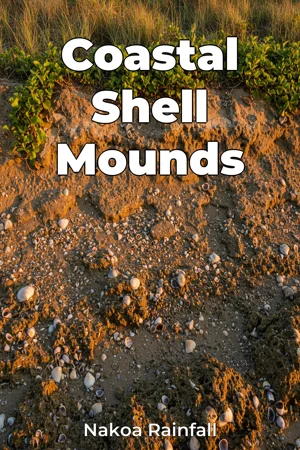
What can mountains of discarded shells reveal about our ancestors? "Coastal Shell Mounds" delves into these often-overlooked archaeological sites, offering profound insights into the lives, diets, technologies, and social structures of past coastal communities. This book explores the rich history and scientific significance of shell middens around the world, focusing on their importance as archives of human and environmental interaction. We examine key themes, including the reconstruction of ancient seafood diets through meticulous analysis of shell remains, understanding the evolution of tool use by studying artifacts found within the mounds, and deciphering the complex social organizations of the people who created these sites. These topics are vital because they provide tangible evidence of human adaptation, resource management, and cultural development over millennia. Understanding coastal shell mounds requires knowledge of archaeological methods, basic ecological principles, and an appreciation for the long-term history of coastal environments. We provide this context, explaining how archaeological excavation, radiocarbon dating, and paleoenvironmental reconstruction are used to interpret these sites. The central argument presented is that coastal shell mounds are not merely refuse heaps but invaluable repositories of cultural and environmental information, offering a unique window into human history and adaptation to coastal environments. These sites demonstrate how human societies have interacted with and depended on marine resources, highlighting both the resilience and vulnerability of coastal communities throughout time. The book is structured to guide readers through a comprehensive understanding of shell mounds. It begins with an introduction to the formation processes of shell middens, explaining how natural and human activities contribute to their accumulation. We then develop the main ideas through chapters focusing on specific aspects of midden analysis. These include chapters on dietary reconstruction, examining the types and quantities of shellfish and other marine resources consumed; technological analysis, focusing on tools and artifacts found in the middens and their implications for resource processing and hunting; and social structure analysis, examining spatial organization, burial practices, and other clues to social hierarchy and community organization. The book culminates with a discussion of the conservation and management of shell middens, emphasizing the importance of protecting these fragile archaeological sites from erosion, development, and looting. The evidence presented draws from a wide range of archaeological research, including site excavation reports, faunal analyses, and ethnographic studies. Unique data sources, such as isotopic analysis of shell and bone, provide detailed information about past diets and environmental conditions. Our methodology will rely on interdisciplinary approaches, integrating archaeological data with insights from ecology, geology, and ethnography. This book connects to various fields, including anthropology, environmental science, and marine biology. The anthropological connection lies in understanding human behavior and cultural adaptation. The environmental science connection focuses on reconstructing past environments and understanding human impact on coastal ecosystems. The marine biology connection aids in identifying and interpreting the remains of marine organisms found in the middens. These interdisciplinary connections enrich our understanding of shell mounds, demonstrating their relevance to a broad range of scientific and humanistic inquiries. Our approach offers a novel perspective by integrating traditional archaeological methods with cutting-edge scientific techniques to provide a holistic understanding of human-environment interactions in coastal settings. We adopt a fact-based, analytical tone, presenting information in a clear and accessible manner suitable for both academic and general audiences. The target audience includes students and researchers in archaeology, anthropology, environmental science, and anyone interested in coastal history and human adaptation. The book's value lies in its comprehensive coverage of shell mounds and its integration of multiple disciplines to provide a rich and nuanced understanding of these important archaeological sites. As a work of non-fiction, "Coastal Shell Mounds" adheres to the conventions of scholarly research, including thorough documentation, peer-reviewed evidence, and a balanced presentation of different viewpoints. The scope of the book encompasses shell middens worldwide, with specific case studies drawn from various regions to illustrate key concepts and methodologies. While aiming for broad geographic coverage, the book acknowledges limitations in the availability of data from certain regions. The information presented has real-world applications in heritage management, coastal conservation, and community engagement. Understanding the history of human interaction with coastal environments can inform sustainable resource management practices and promote responsible stewardship of coastal resources. The book will touch upon ongoing debates regarding the interpretation of shell mound function, particularly differentiating between purely domestic refuse piles and those used for ceremonial or territorial marking purposes. We will present these differing viewpoints and evaluate the evidence supporting each, fostering critical thinking and a nuanced understanding of the complexities of archaeological interpretation.
What can mountains of discarded shells reveal about our ancestors? "Coastal Shell Mounds" delves into these often-overlooked archaeological sites, offering profound insights into the lives, diets, technologies, and social structures of past coastal communities. This book explores the rich history and scientific significance of shell middens around the world, focusing on their importance as archives of human and environmental interaction. We examine key themes, including the reconstruction of ancient seafood diets through meticulous analysis of shell remains, understanding the evolution of tool use by studying artifacts found within the mounds, and deciphering the complex social organizations of the people who created these sites. These topics are vital because they provide tangible evidence of human adaptation, resource management, and cultural development over millennia. Understanding coastal shell mounds requires knowledge of archaeological methods, basic ecological principles, and an appreciation for the long-term history of coastal environments. We provide this context, explaining how archaeological excavation, radiocarbon dating, and paleoenvironmental reconstruction are used to interpret these sites. The central argument presented is that coastal shell mounds are not merely refuse heaps but invaluable repositories of cultural and environmental information, offering a unique window into human history and adaptation to coastal environments. These sites demonstrate how human societies have interacted with and depended on marine resources, highlighting both the resilience and vulnerability of coastal communities throughout time. The book is structured to guide readers through a comprehensive understanding of shell mounds. It begins with an introduction to the formation processes of shell middens, explaining how natural and human activities contribute to their accumulation. We then develop the main ideas through chapters focusing on specific aspects of midden analysis. These include chapters on dietary reconstruction, examining the types and quantities of shellfish and other marine resources consumed; technological analysis, focusing on tools and artifacts found in the middens and their implications for resource processing and hunting; and social structure analysis, examining spatial organization, burial practices, and other clues to social hierarchy and community organization. The book culminates with a discussion of the conservation and management of shell middens, emphasizing the importance of protecting these fragile archaeological sites from erosion, development, and looting. The evidence presented draws from a wide range of archaeological research, including site excavation reports, faunal analyses, and ethnographic studies. Unique data sources, such as isotopic analysis of shell and bone, provide detailed information about past diets and environmental conditions. Our methodology will rely on interdisciplinary approaches, integrating archaeological data with insights from ecology, geology, and ethnography. This book connects to various fields, including anthropology, environmental science, and marine biology. The anthropological connection lies in understanding human behavior and cultural adaptation. The environmental science connection focuses on reconstructing past environments and understanding human impact on coastal ecosystems. The marine biology connection aids in identifying and interpreting the remains of marine organisms found in the middens. These interdisciplinary connections enrich our understanding of shell mounds, demonstrating their relevance to a broad range of scientific and humanistic inquiries. Our approach offers a novel perspective by integrating traditional archaeological methods with cutting-edge scientific techniques to provide a holistic understanding of human-environment interactions in coastal settings. We adopt a fact-based, analytical tone, presenting information in a clear and accessible manner suitable for both academic and general audiences. The target audience includes students and researchers in archaeology, anthropology, environmental science, and anyone interested in coastal history and human adaptation. The book's value lies in its comprehensive coverage of shell mounds and its integration of multiple disciplines to provide a rich and nuanced understanding of these important archaeological sites. As a work of non-fiction, "Coastal Shell Mounds" adheres to the conventions of scholarly research, including thorough documentation, peer-reviewed evidence, and a balanced presentation of different viewpoints. The scope of the book encompasses shell middens worldwide, with specific case studies drawn from various regions to illustrate key concepts and methodologies. While aiming for broad geographic coverage, the book acknowledges limitations in the availability of data from certain regions. The information presented has real-world applications in heritage management, coastal conservation, and community engagement. Understanding the history of human interaction with coastal environments can inform sustainable resource management practices and promote responsible stewardship of coastal resources. The book will touch upon ongoing debates regarding the interpretation of shell mound function, particularly differentiating between purely domestic refuse piles and those used for ceremonial or territorial marking purposes. We will present these differing viewpoints and evaluate the evidence supporting each, fostering critical thinking and a nuanced understanding of the complexities of archaeological interpretation.
"Coastal Shell Mounds" explores the fascinating world of shell middens, revealing how these seemingly simple heaps of discarded shells offer invaluable insights into past coastal communities. As archives of human and environmental interaction, these sites provide tangible evidence of human adaptation, resource management, and cultural development over millennia. The book highlights how analyzing shell remains can reconstruct ancient seafood diets, revealing the types and quantities of marine resources consumed, and how studying tools found within the mounds illuminates the evolution of technology. The book progresses through chapters focusing on midden formation, dietary reconstruction, technological analysis, and social structure, emphasizing the importance of archaeological excavation, radiocarbon dating, and paleoenvironmental reconstruction in interpreting these sites. Unique data sources, such as isotopic analysis, provide detailed information about past diets and environmental conditions. By integrating archaeological data with insights from ecology, geology, and ethnography, "Coastal Shell Mounds" offers a holistic understanding of human-environment interactions in coastal settings. Ultimately, the book argues that shell mounds are not merely refuse heaps but repositories of cultural and environmental information, offering a unique window into coastal history and adaptation. It concludes with a discussion of the conservation and management of shell middens, highlighting the need to protect these fragile archaeological sites for future generations.
Book Details
ISBN
9788235254733
Publisher
Publifye AS
Your Licenses
You don't own any licenses for this book
Purchase a license below to unlock this book and download the EPUB.
Purchase License
Select a tier to unlock this book
Need bulk licensing?
Contact us for enterprise agreements.