
About This Book
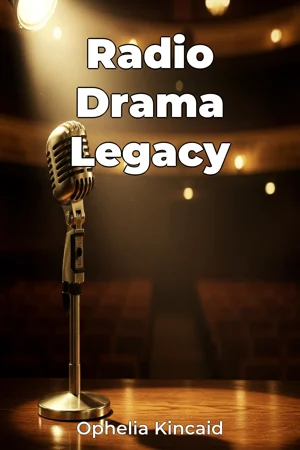
Ever wondered how a simple box in the living room once had families huddled around it, completely enthralled? "Radio Drama Legacy" delves into the captivating world of radio dramas, exploring their historical impact, enduring appeal, and surprising influence on modern storytelling mediums like podcasts. This book examines how radio dramas, a once-dominant form of entertainment, established narrative techniques and audience engagement strategies that continue to resonate today. The book addresses several key topics: the golden age of radio drama and its cultural impact, the techniques that made radio dramas so immersive, and the clear connections between radio drama and contemporary audio storytelling, especially podcasts. Each topic is crucial for understanding not just the history of entertainment but also the evolution of narrative art and its ability to captivate audiences through sound alone. For generations accustomed to screens, radio offers a unique lesson in the power of the unseen. Understanding the context of the book requires knowing the history of broadcasting and the social conditions that made radio such a prominent medium. It thrived during periods of economic hardship and war, offering inexpensive entertainment and a sense of community. "Radio Drama Legacy" argues that radio drama's enduring influence lies in its ability to create vivid mental images through sound, establish intimate connections with listeners, and pioneer narrative formats that transcend the medium itself. The book is structured into three main parts. First, it introduces the historical landscape of radio drama, tracing its origins and rise to prominence. Second, it analyzes the key elements of radio drama production, including sound design, voice acting, and scriptwriting, demonstrating how these techniques created a uniquely immersive experience. Third, it explores radio drama's legacy, showing how its narrative strategies and stylistic elements have been adopted and adapted by modern podcast creators. The conclusion synthesizes these arguments, offering insights into the future of audio storytelling. Evidence for these claims is drawn from a variety of sources. The book examines hundreds of original radio scripts, production notes, and archival recordings. It also incorporates audience reception studies and critical analyses of radio programming from the era. In addition, the book features interviews with contemporary podcast creators, providing firsthand accounts of how they draw inspiration from radio drama techniques. “Radio Drama Legacy” also connects directly to other fields, including media studies, cultural history, and audio production. By understanding radio drama's influence, the book enhances media studies’ understanding of how different media technologies influence narrative forms, enriches cultural history’s perspective on how entertainment reflects and shapes societal values, and provides practical insights for audio production students and professionals alike. A unique aspect of this book is its focus on deconstructing the specific techniques that made radio drama effective. Rather than simply celebrating its nostalgia, the book details how innovative sound design and skillful writing built engaging, believable worlds. This approach makes it an invaluable resource for anyone interested in the art of audio storytelling. The writing style is accessible and engaging, avoiding academic jargon in favor of clear, concise language. "Radio Drama Legacy" is aimed at a broad audience, including students of media and communication, podcast enthusiasts, and anyone interested in the history of entertainment. It offers valuable insights into the evolution of storytelling and the enduring power of audio as a medium. The scope of the book focuses specifically on narrative radio dramas, excluding news broadcasts and musical programs. It aims to provide a comprehensive overview of the topic while acknowledging that further research could explore specific subgenres or regional variations in greater detail. The information presented in "Radio Drama Legacy" can be applied in many ways. Podcast creators can use the book's analysis of sound design and scriptwriting to enhance their own productions. Educators can use it to teach students about the history of media and the principles of effective storytelling. Anyone interested in understanding the power of audio can benefit from the book's insights into the art of creating immersive soundscapes. While many celebrate radio drama's artistic achievements, some debates exist regarding its portrayal of social issues and its role in perpetuating certain stereotypes. The book addresses these controversies by examining radio dramas within their historical context and considering their impact on audiences. It strives to provide a balanced and nuanced perspective on radio drama's legacy, acknowledging both its contributions and its limitations.
Ever wondered how a simple box in the living room once had families huddled around it, completely enthralled? "Radio Drama Legacy" delves into the captivating world of radio dramas, exploring their historical impact, enduring appeal, and surprising influence on modern storytelling mediums like podcasts. This book examines how radio dramas, a once-dominant form of entertainment, established narrative techniques and audience engagement strategies that continue to resonate today. The book addresses several key topics: the golden age of radio drama and its cultural impact, the techniques that made radio dramas so immersive, and the clear connections between radio drama and contemporary audio storytelling, especially podcasts. Each topic is crucial for understanding not just the history of entertainment but also the evolution of narrative art and its ability to captivate audiences through sound alone. For generations accustomed to screens, radio offers a unique lesson in the power of the unseen. Understanding the context of the book requires knowing the history of broadcasting and the social conditions that made radio such a prominent medium. It thrived during periods of economic hardship and war, offering inexpensive entertainment and a sense of community. "Radio Drama Legacy" argues that radio drama's enduring influence lies in its ability to create vivid mental images through sound, establish intimate connections with listeners, and pioneer narrative formats that transcend the medium itself. The book is structured into three main parts. First, it introduces the historical landscape of radio drama, tracing its origins and rise to prominence. Second, it analyzes the key elements of radio drama production, including sound design, voice acting, and scriptwriting, demonstrating how these techniques created a uniquely immersive experience. Third, it explores radio drama's legacy, showing how its narrative strategies and stylistic elements have been adopted and adapted by modern podcast creators. The conclusion synthesizes these arguments, offering insights into the future of audio storytelling. Evidence for these claims is drawn from a variety of sources. The book examines hundreds of original radio scripts, production notes, and archival recordings. It also incorporates audience reception studies and critical analyses of radio programming from the era. In addition, the book features interviews with contemporary podcast creators, providing firsthand accounts of how they draw inspiration from radio drama techniques. “Radio Drama Legacy” also connects directly to other fields, including media studies, cultural history, and audio production. By understanding radio drama's influence, the book enhances media studies’ understanding of how different media technologies influence narrative forms, enriches cultural history’s perspective on how entertainment reflects and shapes societal values, and provides practical insights for audio production students and professionals alike. A unique aspect of this book is its focus on deconstructing the specific techniques that made radio drama effective. Rather than simply celebrating its nostalgia, the book details how innovative sound design and skillful writing built engaging, believable worlds. This approach makes it an invaluable resource for anyone interested in the art of audio storytelling. The writing style is accessible and engaging, avoiding academic jargon in favor of clear, concise language. "Radio Drama Legacy" is aimed at a broad audience, including students of media and communication, podcast enthusiasts, and anyone interested in the history of entertainment. It offers valuable insights into the evolution of storytelling and the enduring power of audio as a medium. The scope of the book focuses specifically on narrative radio dramas, excluding news broadcasts and musical programs. It aims to provide a comprehensive overview of the topic while acknowledging that further research could explore specific subgenres or regional variations in greater detail. The information presented in "Radio Drama Legacy" can be applied in many ways. Podcast creators can use the book's analysis of sound design and scriptwriting to enhance their own productions. Educators can use it to teach students about the history of media and the principles of effective storytelling. Anyone interested in understanding the power of audio can benefit from the book's insights into the art of creating immersive soundscapes. While many celebrate radio drama's artistic achievements, some debates exist regarding its portrayal of social issues and its role in perpetuating certain stereotypes. The book addresses these controversies by examining radio dramas within their historical context and considering their impact on audiences. It strives to provide a balanced and nuanced perspective on radio drama's legacy, acknowledging both its contributions and its limitations.
"Radio Drama Legacy" explores the captivating history and enduring influence of radio dramas, a once-dominant form of entertainment that significantly shaped modern audio storytelling. Diving into the golden age of radio, the book reveals how these dramas established key narrative techniques and audience engagement strategies still relevant today. Readers will discover how sound design and voice acting created immersive "soundscapes," fostering intimate connections with listeners long before the age of screens. The book uniquely deconstructs the elements that made radio dramas effective, detailing innovative sound design and skillful scriptwriting to build believable worlds. It progresses by first introducing the historical context, then analyzing production techniques, and finally exploring radio drama's legacy in contemporary media, especially podcasts. Examining original scripts, archival recordings, and interviews, "Radio Drama Legacy" offers insights into the evolution of narrative art and the power of audio as a medium, making it a valuable resource for anyone interested in film & television, music, media studies, or entertainment history.
Book Details
ISBN
9788235254689
Publisher
Publifye AS
Your Licenses
You don't own any licenses for this book
Purchase a license below to unlock this book and download the EPUB.
Purchase License
Select a tier to unlock this book
Need bulk licensing?
Contact us for enterprise agreements.