
About This Book
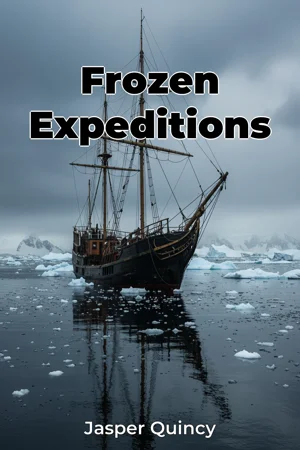
What drives humanity to explore the most inhospitable places on Earth? "Frozen Expeditions" delves into the captivating history of Arctic and Antarctic exploration, chronicling the daring journeys, immense risks, and profound geographical discoveries that have shaped our understanding of these frozen frontiers. This book examines not only the physical challenges faced by explorers but also the lasting impact of their endeavors on the world. We will navigate the shifting landscapes of polar exploration, examining the key motivations behind these expeditions: scientific curiosity, national ambition, and the sheer human desire to conquer the unknown. The book contextualizes these journeys within the broader framework of world history, highlighting the influence of prevailing scientific theories, geopolitical rivalries, and technological advancements on exploration strategies and outcomes. The central argument of "Frozen Expeditions" is that the pursuit of knowledge in the Arctic and Antarctic regions, while fraught with peril, has yielded invaluable insights into the Earth's climate, geology, and biological systems, knowledge that remains vital in our present era of environmental change. This argument is developed through a structured exploration of key historical periods and expeditions. The book begins by introducing the early myths and legends surrounding the polar regions, tracing the first tentative steps towards exploration and discovery. It then proceeds with in-depth accounts of pivotal expeditions, such as those led by John Franklin, Robert Peary, Roald Amundsen, and Robert Falcon Scott. Each expedition is analyzed in terms of its objectives, methods, challenges, and ultimate impact on geographical knowledge and scientific understanding. We dedicate specific chapters to the heroic age of Antarctic exploration and the Northwest Passage expeditions. The narrative culminates in an examination of modern-day polar research and its implications for understanding climate change and preserving these fragile environments. "Frozen Expeditions" draws upon a wide range of primary and secondary sources, including expedition journals, ship logs, scientific reports, maps, and biographical accounts. It integrates geographical data and scientific findings with historical narratives to provide a comprehensive and evidence-based account of polar exploration. Interdisciplinary connections are crucial to understanding the full significance of these expeditions. This book weaves together elements of history, geography, and environmental science to offer a holistic perspective. By examining exploration through a geographical lens, we gain insights into the physical landscapes and environmental conditions that shaped explorers' experiences. The linkage to environmental science allows the reader to fully understand the far-reaching implications of discoveries, particularly in the context of our changing world. This book adopts a narrative non-fiction style, aiming to engage readers with vivid descriptions of the explorers' experiences while maintaining historical accuracy and scientific rigor. The writing is accessible to a broad audience, including history enthusiasts, adventure readers, and anyone interested in learning more about the polar regions and their significance. The target audience includes readers interested in world history, adventure narratives, and environmental issues. The book will appeal to those seeking to understand the historical context of polar exploration and to appreciate the ongoing importance of these regions in our global landscape. In terms of scope, "Frozen Expeditions" focuses primarily on the historical expeditions to the Arctic and Antarctic regions, emphasizing the period from the 16th century to the present day. While it acknowledges the contributions of indigenous peoples to our understanding of these regions, the book primarily focuses on expeditions led by Western explorers. "Frozen Expeditions" also highlights the ongoing debates surrounding resource extraction, territorial claims, and environmental protection in the polar regions. By examining the historical precedents and current challenges, this book provides readers with a deeper understanding of the complex issues facing these fragile environments today. It underscores the practical relevance of historical knowledge for addressing contemporary environmental challenges and shaping future policies in the polar regions.
What drives humanity to explore the most inhospitable places on Earth? "Frozen Expeditions" delves into the captivating history of Arctic and Antarctic exploration, chronicling the daring journeys, immense risks, and profound geographical discoveries that have shaped our understanding of these frozen frontiers. This book examines not only the physical challenges faced by explorers but also the lasting impact of their endeavors on the world. We will navigate the shifting landscapes of polar exploration, examining the key motivations behind these expeditions: scientific curiosity, national ambition, and the sheer human desire to conquer the unknown. The book contextualizes these journeys within the broader framework of world history, highlighting the influence of prevailing scientific theories, geopolitical rivalries, and technological advancements on exploration strategies and outcomes. The central argument of "Frozen Expeditions" is that the pursuit of knowledge in the Arctic and Antarctic regions, while fraught with peril, has yielded invaluable insights into the Earth's climate, geology, and biological systems, knowledge that remains vital in our present era of environmental change. This argument is developed through a structured exploration of key historical periods and expeditions. The book begins by introducing the early myths and legends surrounding the polar regions, tracing the first tentative steps towards exploration and discovery. It then proceeds with in-depth accounts of pivotal expeditions, such as those led by John Franklin, Robert Peary, Roald Amundsen, and Robert Falcon Scott. Each expedition is analyzed in terms of its objectives, methods, challenges, and ultimate impact on geographical knowledge and scientific understanding. We dedicate specific chapters to the heroic age of Antarctic exploration and the Northwest Passage expeditions. The narrative culminates in an examination of modern-day polar research and its implications for understanding climate change and preserving these fragile environments. "Frozen Expeditions" draws upon a wide range of primary and secondary sources, including expedition journals, ship logs, scientific reports, maps, and biographical accounts. It integrates geographical data and scientific findings with historical narratives to provide a comprehensive and evidence-based account of polar exploration. Interdisciplinary connections are crucial to understanding the full significance of these expeditions. This book weaves together elements of history, geography, and environmental science to offer a holistic perspective. By examining exploration through a geographical lens, we gain insights into the physical landscapes and environmental conditions that shaped explorers' experiences. The linkage to environmental science allows the reader to fully understand the far-reaching implications of discoveries, particularly in the context of our changing world. This book adopts a narrative non-fiction style, aiming to engage readers with vivid descriptions of the explorers' experiences while maintaining historical accuracy and scientific rigor. The writing is accessible to a broad audience, including history enthusiasts, adventure readers, and anyone interested in learning more about the polar regions and their significance. The target audience includes readers interested in world history, adventure narratives, and environmental issues. The book will appeal to those seeking to understand the historical context of polar exploration and to appreciate the ongoing importance of these regions in our global landscape. In terms of scope, "Frozen Expeditions" focuses primarily on the historical expeditions to the Arctic and Antarctic regions, emphasizing the period from the 16th century to the present day. While it acknowledges the contributions of indigenous peoples to our understanding of these regions, the book primarily focuses on expeditions led by Western explorers. "Frozen Expeditions" also highlights the ongoing debates surrounding resource extraction, territorial claims, and environmental protection in the polar regions. By examining the historical precedents and current challenges, this book provides readers with a deeper understanding of the complex issues facing these fragile environments today. It underscores the practical relevance of historical knowledge for addressing contemporary environmental challenges and shaping future policies in the polar regions.
"Frozen Expeditions" explores humanity's compelling quest to navigate the Arctic and Antarctic, detailing the immense risks and geographical discoveries. These journeys, driven by scientific curiosity and national ambition, have profoundly shaped our understanding of these frozen frontiers. Early explorers faced extreme conditions; for example, the challenges of traversing the Northwest Passage led to many failed attempts, highlighting the sheer human desire to conquer the unknown. The book contextualizes these adventures within world history, revealing how scientific theories, geopolitical rivalries, and technological advancements influenced exploration strategies. The book emphasizes that the pursuit of knowledge in polar regions has yielded invaluable insights into Earth's climate and geology, vital for addressing current environmental challenges. Beginning with early myths, it progresses to in-depth accounts of pivotal expeditions led by figures like Roald Amundsen and Robert Falcon Scott. Analyzing each expedition's objectives, methods, and impact, the book highlights the heroic age of Antarctic exploration. The narrative culminates in modern-day polar research, underscoring the relevance of historical knowledge for contemporary environmental issues, therefore providing a comprehensive view through history, geography, and environmental science.
Book Details
ISBN
9788235254665
Publisher
Publifye AS
Your Licenses
You don't own any licenses for this book
Purchase a license below to unlock this book and download the EPUB.
Purchase License
Select a tier to unlock this book
Need bulk licensing?
Contact us for enterprise agreements.