
About This Book
How do ancient myths continue to shape our modern understanding of the world, particularly within the wildly popular genre of fantasy? "Myth Reworks" examines this enduring influence, exploring the ways in which narratives, symbols, and archetypes from historical religious and belief systems are consciously and unconsciously reconfigured in contemporary fantasy literature and other media. Understanding these transformations offers valuable insights into both the origins of our cultural narratives and the evolving nature of storytelling itself. This book delves into three core areas: the adaptation of mythological figures, the restructuring of ancient story patterns, and the reimagining of sacred spaces and objects. We will dissect how figures like gods, heroes, and monsters are recast to serve modern narrative purposes, often undergoing significant alterations in character, motivation, and role. Furthermore, we will analyze how traditional plot structures, such as the hero's journey or creation myths, are deconstructed and reassembled to address contemporary themes and anxieties. Finally, the book investigates the symbolic power inherent in locations (e.g., sacred groves, underworlds) and objects (e.g., magical weapons, relics) borrowed from or inspired by ancient belief systems. To provide context, "Myth Reworks" will initially explore the historical development of mythology itself, tracing its evolution from ancient religious practices to its role as a source of literary and artistic inspiration. An understanding of comparative mythology and the key themes present across various cultures is beneficial but not essential; the book will offer sufficient background for readers unfamiliar with specific mythological traditions. The central argument of "Myth Reworks" is that the consistent presence of reworked mythological elements in modern fantasy is not merely a matter of creative borrowing, but rather a reflection of our ongoing need to grapple with fundamental questions about identity, morality, and the nature of reality. These ancient narratives provide a framework for exploring complex contemporary issues, allowing writers and artists to tap into a deep well of cultural resonance. The book's structure is designed to systematically unpack this argument. The introduction establishes the theoretical framework, defining key terms and outlining the scope of the investigation. Subsequent sections will address the adaptation of mythological figures, the manipulation of story patterns, and the reinvention of sacred spaces, each supported by detailed textual analysis and comparative examples. The concluding chapter synthesizes these findings, offering a broader perspective on the cultural significance of myth reworking and its implications for the future of fantasy. "Myth Reworks" draws upon a diverse range of evidence, including close readings of fantasy literature, comparative analysis of mythological texts, and insights from anthropology, religious studies, and cultural criticism. We will analyze examples from a wide range of fantasy subgenres, from epic fantasy and urban fantasy to sword and sorcery, drawing on canonical works as well as less widely known examples. The book also explores the interdisciplinary connections between mythology, literature, and psychology, examining how archetypal figures and narratives resonate with the human psyche. It also considers the sociological aspects, investigating how myth reworkings reflect and reinforce cultural values, and relate to historical and political contexts. "Myth Reworks" offers a unique perspective by focusing not just on the presence of mythological elements in fantasy, but also on the processes of adaptation, reimagining, and subversion that transform these elements into something new. This approach reveals the underlying motivations and meanings behind these creative choices, highlighting the complex relationship between tradition and innovation. Written in a clear and engaging style, "Myth Reworks" is intended for a broad audience, including students of literature, mythology, and religion, as well as general readers interested in fantasy and its cultural roots. "Myth Reworks" adheres to the conventions of academic non-fiction, presenting well-researched arguments supported by evidence and analysis. The book's scope is broad, encompassing a wide range of mythological traditions and fantasy subgenres. However, it is intentionally limited in its focus on Western fantasy literature, acknowledging that the reworking of mythology in other cultural contexts deserves separate and equally detailed attention. The insights offered in "Myth Reworks" have practical applications for writers, artists, and anyone interested in understanding the power of storytelling. By illuminating the ways in which ancient myths continue to shape our imaginations, this book provides a valuable toolkit for creating resonant and meaningful narratives. While the prevalence of myth reworking in fantasy is widely recognized, there are ongoing debates about the ethical implications of appropriating and altering religious and cultural traditions. "Myth Reworks" acknowledges these debates, encouraging readers to consider the complex relationship between creative expression and cultural sensitivity.
How do ancient myths continue to shape our modern understanding of the world, particularly within the wildly popular genre of fantasy? "Myth Reworks" examines this enduring influence, exploring the ways in which narratives, symbols, and archetypes from historical religious and belief systems are consciously and unconsciously reconfigured in contemporary fantasy literature and other media. Understanding these transformations offers valuable insights into both the origins of our cultural narratives and the evolving nature of storytelling itself. This book delves into three core areas: the adaptation of mythological figures, the restructuring of ancient story patterns, and the reimagining of sacred spaces and objects. We will dissect how figures like gods, heroes, and monsters are recast to serve modern narrative purposes, often undergoing significant alterations in character, motivation, and role. Furthermore, we will analyze how traditional plot structures, such as the hero's journey or creation myths, are deconstructed and reassembled to address contemporary themes and anxieties. Finally, the book investigates the symbolic power inherent in locations (e.g., sacred groves, underworlds) and objects (e.g., magical weapons, relics) borrowed from or inspired by ancient belief systems. To provide context, "Myth Reworks" will initially explore the historical development of mythology itself, tracing its evolution from ancient religious practices to its role as a source of literary and artistic inspiration. An understanding of comparative mythology and the key themes present across various cultures is beneficial but not essential; the book will offer sufficient background for readers unfamiliar with specific mythological traditions. The central argument of "Myth Reworks" is that the consistent presence of reworked mythological elements in modern fantasy is not merely a matter of creative borrowing, but rather a reflection of our ongoing need to grapple with fundamental questions about identity, morality, and the nature of reality. These ancient narratives provide a framework for exploring complex contemporary issues, allowing writers and artists to tap into a deep well of cultural resonance. The book's structure is designed to systematically unpack this argument. The introduction establishes the theoretical framework, defining key terms and outlining the scope of the investigation. Subsequent sections will address the adaptation of mythological figures, the manipulation of story patterns, and the reinvention of sacred spaces, each supported by detailed textual analysis and comparative examples. The concluding chapter synthesizes these findings, offering a broader perspective on the cultural significance of myth reworking and its implications for the future of fantasy. "Myth Reworks" draws upon a diverse range of evidence, including close readings of fantasy literature, comparative analysis of mythological texts, and insights from anthropology, religious studies, and cultural criticism. We will analyze examples from a wide range of fantasy subgenres, from epic fantasy and urban fantasy to sword and sorcery, drawing on canonical works as well as less widely known examples. The book also explores the interdisciplinary connections between mythology, literature, and psychology, examining how archetypal figures and narratives resonate with the human psyche. It also considers the sociological aspects, investigating how myth reworkings reflect and reinforce cultural values, and relate to historical and political contexts. "Myth Reworks" offers a unique perspective by focusing not just on the presence of mythological elements in fantasy, but also on the processes of adaptation, reimagining, and subversion that transform these elements into something new. This approach reveals the underlying motivations and meanings behind these creative choices, highlighting the complex relationship between tradition and innovation. Written in a clear and engaging style, "Myth Reworks" is intended for a broad audience, including students of literature, mythology, and religion, as well as general readers interested in fantasy and its cultural roots. "Myth Reworks" adheres to the conventions of academic non-fiction, presenting well-researched arguments supported by evidence and analysis. The book's scope is broad, encompassing a wide range of mythological traditions and fantasy subgenres. However, it is intentionally limited in its focus on Western fantasy literature, acknowledging that the reworking of mythology in other cultural contexts deserves separate and equally detailed attention. The insights offered in "Myth Reworks" have practical applications for writers, artists, and anyone interested in understanding the power of storytelling. By illuminating the ways in which ancient myths continue to shape our imaginations, this book provides a valuable toolkit for creating resonant and meaningful narratives. While the prevalence of myth reworking in fantasy is widely recognized, there are ongoing debates about the ethical implications of appropriating and altering religious and cultural traditions. "Myth Reworks" acknowledges these debates, encouraging readers to consider the complex relationship between creative expression and cultural sensitivity.
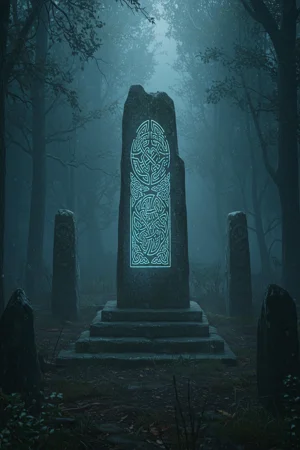
"Myth Reworks" explores the fascinating intersection of ancient mythology and contemporary fantasy literature. It examines how enduring narratives, symbols, and archetypes from historical religious and belief systems are reconfigured in modern storytelling. The book highlights the idea that these reworkings aren't mere creative borrowing, but a reflection of our ongoing need to grapple with fundamental questions about identity and morality. For example, ancient sacred spaces are often reimagined in fantasy settings, carrying symbolic weight that resonates with audiences even today. The book delves into the adaptation of mythological figures, the restructuring of ancient story patterns, and the reimagining of sacred spaces. It dissects how figures like gods and heroes are recast for modern narrative purposes. It also analyzes how traditional plot structures, such as the hero's journey, are deconstructed and reassembled to address contemporary themes. This approach offers valuable insights into the origins of our cultural narratives and the evolving nature of storytelling, showing how ancient myths continue to shape our modern understanding. The book begins by exploring the historical development of mythology, tracing its evolution from ancient religious practices to its role as a source of literary inspiration. Subsequent sections address the adaptation of mythological figures, the manipulation of story patterns, and the reinvention of sacred spaces. The final chapter synthesizes these findings, offering a broader perspective on the cultural significance of myth reworking and its implications for the future of fantasy.
Book Details
ISBN
9788235254580
Publisher
Publifye AS
Your Licenses
You don't own any licenses for this book
Purchase a license below to unlock this book and download the EPUB.
Purchase License
Select a tier to unlock this book
Need bulk licensing?
Contact us for enterprise agreements.