
About This Book
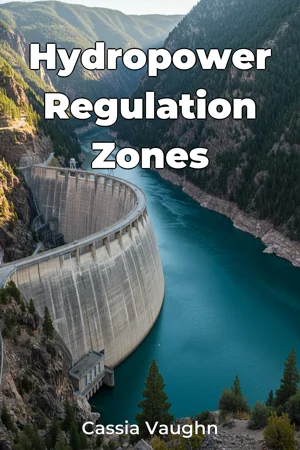
Can the immense power of water be harnessed responsibly, balancing energy needs with the health of our rivers and ecosystems? "Hydropower Regulation Zones" delves into the intricate legal landscape governing hydropower, exploring how laws and policies shape the development and operation of dams while attempting to mitigate their environmental impact. This book focuses on three critical areas: the allocation and protection of river rights, the processes for approving dam construction, and the requirements for environmental impact assessment and mitigation. Understanding these topics is crucial because hydropower development directly impacts water resources, biodiversity, and the livelihoods of communities dependent on rivers. The increasing demand for renewable energy sources makes it imperative to critically examine the effectiveness and fairness of the regulations governing this powerful technology. Historically, the development of hydropower has often prioritized energy production over ecological considerations. Tracing back to the early 20th century, laws initially focused on promoting dam construction, often with insufficient attention to environmental consequences. Over time, environmental awareness grew, leading to the enactment of legislation aimed at balancing energy needs with ecological protection. However, the implementation and enforcement of these regulations remain challenging, raising questions about their efficacy in safeguarding river ecosystems. The core argument of "Hydropower Regulation Zones" is that current legal frameworks, while intending to balance energy production and environmental protection, often fall short in effectively addressing the complex ecological and social impacts of hydropower. This argument is vital because it underscores the need for comprehensive reform to ensure that hydropower development is truly sustainable and equitable. The book is structured to provide a comprehensive understanding of this complex issue. It begins by introducing the fundamental concepts of water rights and the legal frameworks governing their allocation. It then examines the regulatory processes involved in approving dam construction, analyzing the criteria used for evaluating project proposals and the opportunities for public participation. Next, the book thoroughly explores the environmental impact assessment process, examining the methodologies used to assess the ecological consequences of dams and the effectiveness of mitigation measures. The argument culminates in a discussion of policy recommendations designed to strengthen hydropower regulation and promote sustainable river management. These recommendations emphasize the importance of integrated water resource planning, adaptive management strategies, and robust enforcement mechanisms. The evidence presented in this book is drawn from a variety of sources, including legal statutes, court decisions, regulatory documents, scientific research, and case studies of hydropower projects around the world. Unique data sources include comparative analyses of regulatory frameworks in different regions and assessments of the ecological impacts of dams based on long-term monitoring data. "Hydropower Regulation Zones" connects to several other fields of study, including environmental law, environmental science, political science, and economics. Environmental law provides the legal framework for regulating hydropower, while environmental science offers the scientific understanding of the ecological impacts of dams. Political science sheds light on the political forces that shape hydropower policy, and economics provides tools for analyzing the costs and benefits of hydropower development. These interdisciplinary connections enhance the book's argument by providing a more holistic understanding of the complex issues involved. A unique aspect of this book is its integrated approach to analyzing hydropower regulation, combining legal analysis with ecological and social considerations. It moves beyond a purely legalistic perspective to consider the broader implications of hydropower development for river ecosystems and human communities. The book adopts an academic tone, presenting information in a clear, concise, and objective manner. It is intended for a wide audience, including legal scholars, environmental scientists, policymakers, and anyone interested in the sustainable management of water resources. It would be valuable to those working in the energy sector, government regulators, environmental advocacy groups, and researchers studying water resource management. As a work of non-fiction, the book adheres to the genre's conventions by providing accurate, well-researched information and supporting its arguments with evidence. The scope of the book is limited to the legal and regulatory aspects of hydropower, focusing primarily on the United States and select international examples. It does not delve into the technical engineering aspects of dam construction. The information in this book has real-world applications for policymakers seeking to improve hydropower regulation, environmental organizations advocating for river protection, and energy companies striving to operate in a sustainable manner. By understanding the legal and regulatory landscape, stakeholders can make more informed decisions about hydropower development. "Hydropower Regulation Zones" addresses ongoing debates about the role of hydropower in a sustainable energy future. Some argue that hydropower is a clean and renewable energy source that can help mitigate climate change, while others contend that its environmental impacts outweigh its benefits. This book seeks to provide a balanced and nuanced perspective on this debate, acknowledging both the potential benefits and the significant challenges associated with hydropower development.
Can the immense power of water be harnessed responsibly, balancing energy needs with the health of our rivers and ecosystems? "Hydropower Regulation Zones" delves into the intricate legal landscape governing hydropower, exploring how laws and policies shape the development and operation of dams while attempting to mitigate their environmental impact. This book focuses on three critical areas: the allocation and protection of river rights, the processes for approving dam construction, and the requirements for environmental impact assessment and mitigation. Understanding these topics is crucial because hydropower development directly impacts water resources, biodiversity, and the livelihoods of communities dependent on rivers. The increasing demand for renewable energy sources makes it imperative to critically examine the effectiveness and fairness of the regulations governing this powerful technology. Historically, the development of hydropower has often prioritized energy production over ecological considerations. Tracing back to the early 20th century, laws initially focused on promoting dam construction, often with insufficient attention to environmental consequences. Over time, environmental awareness grew, leading to the enactment of legislation aimed at balancing energy needs with ecological protection. However, the implementation and enforcement of these regulations remain challenging, raising questions about their efficacy in safeguarding river ecosystems. The core argument of "Hydropower Regulation Zones" is that current legal frameworks, while intending to balance energy production and environmental protection, often fall short in effectively addressing the complex ecological and social impacts of hydropower. This argument is vital because it underscores the need for comprehensive reform to ensure that hydropower development is truly sustainable and equitable. The book is structured to provide a comprehensive understanding of this complex issue. It begins by introducing the fundamental concepts of water rights and the legal frameworks governing their allocation. It then examines the regulatory processes involved in approving dam construction, analyzing the criteria used for evaluating project proposals and the opportunities for public participation. Next, the book thoroughly explores the environmental impact assessment process, examining the methodologies used to assess the ecological consequences of dams and the effectiveness of mitigation measures. The argument culminates in a discussion of policy recommendations designed to strengthen hydropower regulation and promote sustainable river management. These recommendations emphasize the importance of integrated water resource planning, adaptive management strategies, and robust enforcement mechanisms. The evidence presented in this book is drawn from a variety of sources, including legal statutes, court decisions, regulatory documents, scientific research, and case studies of hydropower projects around the world. Unique data sources include comparative analyses of regulatory frameworks in different regions and assessments of the ecological impacts of dams based on long-term monitoring data. "Hydropower Regulation Zones" connects to several other fields of study, including environmental law, environmental science, political science, and economics. Environmental law provides the legal framework for regulating hydropower, while environmental science offers the scientific understanding of the ecological impacts of dams. Political science sheds light on the political forces that shape hydropower policy, and economics provides tools for analyzing the costs and benefits of hydropower development. These interdisciplinary connections enhance the book's argument by providing a more holistic understanding of the complex issues involved. A unique aspect of this book is its integrated approach to analyzing hydropower regulation, combining legal analysis with ecological and social considerations. It moves beyond a purely legalistic perspective to consider the broader implications of hydropower development for river ecosystems and human communities. The book adopts an academic tone, presenting information in a clear, concise, and objective manner. It is intended for a wide audience, including legal scholars, environmental scientists, policymakers, and anyone interested in the sustainable management of water resources. It would be valuable to those working in the energy sector, government regulators, environmental advocacy groups, and researchers studying water resource management. As a work of non-fiction, the book adheres to the genre's conventions by providing accurate, well-researched information and supporting its arguments with evidence. The scope of the book is limited to the legal and regulatory aspects of hydropower, focusing primarily on the United States and select international examples. It does not delve into the technical engineering aspects of dam construction. The information in this book has real-world applications for policymakers seeking to improve hydropower regulation, environmental organizations advocating for river protection, and energy companies striving to operate in a sustainable manner. By understanding the legal and regulatory landscape, stakeholders can make more informed decisions about hydropower development. "Hydropower Regulation Zones" addresses ongoing debates about the role of hydropower in a sustainable energy future. Some argue that hydropower is a clean and renewable energy source that can help mitigate climate change, while others contend that its environmental impacts outweigh its benefits. This book seeks to provide a balanced and nuanced perspective on this debate, acknowledging both the potential benefits and the significant challenges associated with hydropower development.
"Hydropower Regulation Zones" examines the complex legal and political environment surrounding hydropower, a critical area given the increasing demand for renewable energy. It highlights the inherent challenges of balancing energy production with the imperative need to protect river ecosystems. The book argues that current legal frameworks often fall short in addressing the ecological and social impacts of dam construction, despite intending to strike a balance. The book delves into three key areas: water rights, approval processes for dam construction, and environmental impact assessment. Historically, laws often prioritized energy production, but growing environmental awareness has led to new legislation. One intriguing fact is that implementation and enforcement of environmental regulations remain challenging, raising questions about their effectiveness in safeguarding river ecosystems. The book uniquely combines legal analysis with ecological considerations, offering a holistic view of hydropower regulation. Structured to provide a comprehensive understanding, the book progresses from fundamental concepts of water rights to the regulatory processes for dam approval and culminates in policy recommendations for sustainable river management. It draws evidence from legal statutes, court decisions, and scientific research to support its arguments, making it a valuable resource for policymakers, environmental organizations, and energy companies alike, all navigating the intricate intersection of Environment and Politics in the energy sector.
Book Details
ISBN
9788235254566
Publisher
Publifye AS
Your Licenses
You don't own any licenses for this book
Purchase a license below to unlock this book and download the EPUB.
Purchase License
Select a tier to unlock this book
Need bulk licensing?
Contact us for enterprise agreements.