
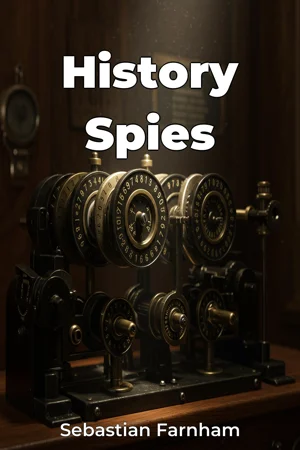
About This Book
Have you ever wondered how wars were won or lost, not on the battlefield, but in the shadows? "History Spies" unveils the covert world of espionage, exploring the critical roles real-life spies played throughout history, from ancient conflicts to the Cold War. This book delves into the art of cracking secret codes, executing daring missions, and gathering intelligence that shaped the course of nations. This book focuses on three main strands of espionage: the evolution of spycraft, the psychology of spies, and the impact of espionage on major historical events. Understanding these elements allows us to appreciate the multifaceted nature of intelligence gathering and its profound influence on global affairs. The historical, social, and political landscapes within which these spies operated are examined, providing a framework for comprehending their motivations and the constraints they faced. No prior knowledge of military history is required; the book provides sufficient context for any interested reader. "History Spies" argues that espionage has consistently been a decisive, yet often unseen, force in shaping historical outcomes. This argument is essential because it challenges traditional analyses of wars and international relations, highlighting the importance of clandestine operations frequently overlooked in conventional historical narratives. The book begins by introducing the fundamental concepts of espionage, including tradecraft, motivations, and the different types of intelligence. It then proceeds with detailed case studies, presenting major points: a) Ancient Espionage: Examining early examples of spying in ancient civilizations, such as the use of messengers and deception in warfare. b) Espionage in the World Wars: Covering the complex networks of spies during World War I and World War II, including codebreakers at Bletchley Park and resistance movements in occupied territories. c) The Cold War: A deep dive into the era of intense espionage between the United States and the Soviet Union, featuring famous spies, technological advancements in surveillance, and proxy conflicts fueled by intelligence operations. The book culminates by analyzing the lasting legacy of espionage and its continued relevance in the modern world, including contemporary cyber warfare and counter-terrorism efforts. The evidence presented in "History Spies" draws from declassified documents, historical archives, biographies of spies, and academic research. Unique data sources include intercepted communications, personal letters, and firsthand accounts from former intelligence operatives. The book connects to other fields such as political science, psychology, and sociology, enriching the analysis of espionage. It explores the psychological profiles of spies, the sociological impact of intelligence gathering on societies, and the political ramifications of covert actions. "History Spies" stands out by presenting a comprehensive, yet accessible, account of espionage history, focusing on the human stories behind the intelligence operations and their wider historical significance. Its narrative non-fiction style engages readers with compelling stories and insightful analysis. The target audience includes history enthusiasts, military history buffs, and anyone interested in espionage and intelligence. The book offers valuable insights into a hidden world that has shaped the course of history. Adhering to the conventions of military history and general history genres, the book provides accurate, well-researched information presented in a structured and engaging manner. The book covers a broad historical span, from ancient times to the present day, with a focus on major conflicts and periods of intense espionage activity. The book does not delve into speculative or fictional accounts of espionage; instead, it focuses on documented historical events and figures. Understanding the strategies and tactics used by spies throughout history can offer valuable lessons about critical thinking, risk assessment, and strategic planning, applicable in various fields. While the book strives for objectivity, it acknowledges the existence of ongoing debates surrounding the ethical implications of espionage and the use of intelligence in warfare. It presents different perspectives on these complex issues, allowing readers to form their own informed opinions.
Have you ever wondered how wars were won or lost, not on the battlefield, but in the shadows? "History Spies" unveils the covert world of espionage, exploring the critical roles real-life spies played throughout history, from ancient conflicts to the Cold War. This book delves into the art of cracking secret codes, executing daring missions, and gathering intelligence that shaped the course of nations. This book focuses on three main strands of espionage: the evolution of spycraft, the psychology of spies, and the impact of espionage on major historical events. Understanding these elements allows us to appreciate the multifaceted nature of intelligence gathering and its profound influence on global affairs. The historical, social, and political landscapes within which these spies operated are examined, providing a framework for comprehending their motivations and the constraints they faced. No prior knowledge of military history is required; the book provides sufficient context for any interested reader. "History Spies" argues that espionage has consistently been a decisive, yet often unseen, force in shaping historical outcomes. This argument is essential because it challenges traditional analyses of wars and international relations, highlighting the importance of clandestine operations frequently overlooked in conventional historical narratives. The book begins by introducing the fundamental concepts of espionage, including tradecraft, motivations, and the different types of intelligence. It then proceeds with detailed case studies, presenting major points: a) Ancient Espionage: Examining early examples of spying in ancient civilizations, such as the use of messengers and deception in warfare. b) Espionage in the World Wars: Covering the complex networks of spies during World War I and World War II, including codebreakers at Bletchley Park and resistance movements in occupied territories. c) The Cold War: A deep dive into the era of intense espionage between the United States and the Soviet Union, featuring famous spies, technological advancements in surveillance, and proxy conflicts fueled by intelligence operations. The book culminates by analyzing the lasting legacy of espionage and its continued relevance in the modern world, including contemporary cyber warfare and counter-terrorism efforts. The evidence presented in "History Spies" draws from declassified documents, historical archives, biographies of spies, and academic research. Unique data sources include intercepted communications, personal letters, and firsthand accounts from former intelligence operatives. The book connects to other fields such as political science, psychology, and sociology, enriching the analysis of espionage. It explores the psychological profiles of spies, the sociological impact of intelligence gathering on societies, and the political ramifications of covert actions. "History Spies" stands out by presenting a comprehensive, yet accessible, account of espionage history, focusing on the human stories behind the intelligence operations and their wider historical significance. Its narrative non-fiction style engages readers with compelling stories and insightful analysis. The target audience includes history enthusiasts, military history buffs, and anyone interested in espionage and intelligence. The book offers valuable insights into a hidden world that has shaped the course of history. Adhering to the conventions of military history and general history genres, the book provides accurate, well-researched information presented in a structured and engaging manner. The book covers a broad historical span, from ancient times to the present day, with a focus on major conflicts and periods of intense espionage activity. The book does not delve into speculative or fictional accounts of espionage; instead, it focuses on documented historical events and figures. Understanding the strategies and tactics used by spies throughout history can offer valuable lessons about critical thinking, risk assessment, and strategic planning, applicable in various fields. While the book strives for objectivity, it acknowledges the existence of ongoing debates surrounding the ethical implications of espionage and the use of intelligence in warfare. It presents different perspectives on these complex issues, allowing readers to form their own informed opinions.
"History Spies" explores the hidden world of espionage and its profound impact on global events. From ancient messengers to Cold War double agents, the book reveals how spies and covert operations have shaped the outcomes of wars and influenced international relations. Did you know that espionage involves not only gathering secrets but also understanding the psychology of spies and the historical context in which they operate? This book argues that espionage has often been a decisive, yet unseen, force throughout history. The narrative begins by laying the groundwork, introducing key concepts of espionage like tradecraft and motivations. It then progresses through case studies, examining ancient espionage tactics, the complex spy networks of the World Wars (including codebreakers), and the intense intelligence battles of the Cold War. Drawing from declassified documents and firsthand accounts, the book connects espionage to broader fields like political science and psychology. The book distinguishes itself by focusing on the human stories behind intelligence operations and their historical significance. It presents a comprehensive, yet accessible, account suitable for history enthusiasts and those interested in military history. The book concludes by analyzing the lasting legacy of espionage and its continued relevance in the modern world, including contemporary cyber warfare.
Book Details
ISBN
9788235254429
Publisher
Publifye AS
Your Licenses
You don't own any licenses for this book
Purchase a license below to unlock this book and download the EPUB.
Purchase License
Select a tier to unlock this book
Need bulk licensing?
Contact us for enterprise agreements.