
About This Book
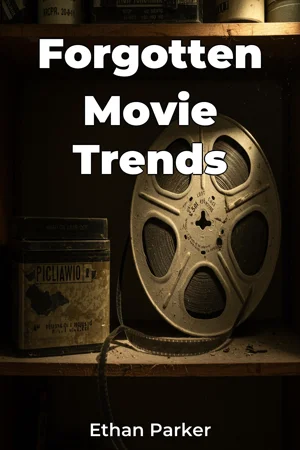
Ever wonder why certain trends explode in Hollywood, dominate cinema for years, and then vanish almost without a trace? "Forgotten Movie Trends" dissects the captivating yet fleeting nature of cinematic fads, exploring the historical, technological, and cultural forces that propel them to prominence and ultimately lead to their obsolescence. This book isn't just a nostalgic trip down memory lane; it's a critical examination of how Hollywood reinvents itself, often leaving behind valuable lessons and cautionary tales. At the heart of our exploration are two key themes: the cyclical nature of cinematic innovation and the impact of evolving audience expectations on filmmaking. Movies aren't created in a vacuum. "Forgotten Movie Trends" uncovers how historical events, technological advancements, and shifting social values shape what audiences demand and, consequently, what filmmakers produce. We'll examine the rise and fall of specific filming styles, such as the early adoption and subsequent abandonment of certain colorization techniques, and the evolution of storytelling tropes, including the once-ubiquitous musical interlude and the now outdated depiction of specific social groups. Recognizing these patterns provides invaluable insight into the current state of the film industry and anticipates future developments. To understand these cycles, the book delves into the history of Hollywood, tracing the evolution of film technology from its silent era beginnings to the digital age. We'll examine the studio system's influence, the impact of independent filmmaking, and the rise of streaming platforms, each of which has contributed to the birth and death of various trends. No prior knowledge of film theory is required; the book offers clear explanations of technical terms and historical context. The central argument is that understanding past movie trends provides a crucial framework for navigating the constantly changing landscape of the film industry. By analyzing the factors that contributed to the rise and fall of these trends we can identify the underlying principles that govern cinematic innovation, allowing filmmakers, critics, and audiences alike to better understand the present and anticipate the future. The book unfolds in three major sections. First, an introduction lays the groundwork by defining key terms, establishing a theoretical framework, and providing a brief overview of Hollywood's history. The second section presents a series of case studies, each focusing on a specific movie trend. Examples include the rise and fall of 3D cinema, the evolution of specific special effects techniques, and the transformation of various genre tropes. The final section synthesizes the findings from these case studies, drawing broader conclusions about the nature of cinematic innovation and offering practical insights for filmmakers and industry professionals. The book uses a variety of sources, including archival materials, film industry publications, academic research, and interviews with filmmakers and historians. It presents quantitative data, such as box office figures and audience surveys, alongside qualitative analysis of films themselves. "Forgotten Movie Trends" connects to several other fields, including media studies, sociology, and business. The analysis of audience expectations draws on sociological research, while the examination of film financing models connects to the field of business and economics. This book stands out by offering a holistic perspective on the history of film trends, combining historical analysis with theoretical insights and practical applications. The tone is clear, engaging, and accessible to a broad audience. The target audience is anyone with an interest in film history, film theory, or the film industry. This includes film students, filmmakers, screenwriters, critics, and general movie enthusiasts. The book offers a fresh perspective on familiar topics, providing new insights and sparking further discussion. As a work of non-fiction, "Forgotten Movie Trends" prioritizes accuracy, objectivity, and clarity. The book is limited to trends that significantly impacted Hollywood cinema and excludes niche or experimental filmmaking practices. The insights in "Forgotten Movie Trends" can be applied practically by filmmakers looking to innovate, critics seeking to understand the underlying forces shaping cinematic trends, and audiences wanting to deepen their appreciation of film history. While this book does not delve deeply into current controversies within the film industry, it does acknowledge the ongoing debates about representation, cultural appropriation, and the impact of new technologies. By understanding past trends, the book provides a valuable context for engaging with these issues.
Ever wonder why certain trends explode in Hollywood, dominate cinema for years, and then vanish almost without a trace? "Forgotten Movie Trends" dissects the captivating yet fleeting nature of cinematic fads, exploring the historical, technological, and cultural forces that propel them to prominence and ultimately lead to their obsolescence. This book isn't just a nostalgic trip down memory lane; it's a critical examination of how Hollywood reinvents itself, often leaving behind valuable lessons and cautionary tales. At the heart of our exploration are two key themes: the cyclical nature of cinematic innovation and the impact of evolving audience expectations on filmmaking. Movies aren't created in a vacuum. "Forgotten Movie Trends" uncovers how historical events, technological advancements, and shifting social values shape what audiences demand and, consequently, what filmmakers produce. We'll examine the rise and fall of specific filming styles, such as the early adoption and subsequent abandonment of certain colorization techniques, and the evolution of storytelling tropes, including the once-ubiquitous musical interlude and the now outdated depiction of specific social groups. Recognizing these patterns provides invaluable insight into the current state of the film industry and anticipates future developments. To understand these cycles, the book delves into the history of Hollywood, tracing the evolution of film technology from its silent era beginnings to the digital age. We'll examine the studio system's influence, the impact of independent filmmaking, and the rise of streaming platforms, each of which has contributed to the birth and death of various trends. No prior knowledge of film theory is required; the book offers clear explanations of technical terms and historical context. The central argument is that understanding past movie trends provides a crucial framework for navigating the constantly changing landscape of the film industry. By analyzing the factors that contributed to the rise and fall of these trends we can identify the underlying principles that govern cinematic innovation, allowing filmmakers, critics, and audiences alike to better understand the present and anticipate the future. The book unfolds in three major sections. First, an introduction lays the groundwork by defining key terms, establishing a theoretical framework, and providing a brief overview of Hollywood's history. The second section presents a series of case studies, each focusing on a specific movie trend. Examples include the rise and fall of 3D cinema, the evolution of specific special effects techniques, and the transformation of various genre tropes. The final section synthesizes the findings from these case studies, drawing broader conclusions about the nature of cinematic innovation and offering practical insights for filmmakers and industry professionals. The book uses a variety of sources, including archival materials, film industry publications, academic research, and interviews with filmmakers and historians. It presents quantitative data, such as box office figures and audience surveys, alongside qualitative analysis of films themselves. "Forgotten Movie Trends" connects to several other fields, including media studies, sociology, and business. The analysis of audience expectations draws on sociological research, while the examination of film financing models connects to the field of business and economics. This book stands out by offering a holistic perspective on the history of film trends, combining historical analysis with theoretical insights and practical applications. The tone is clear, engaging, and accessible to a broad audience. The target audience is anyone with an interest in film history, film theory, or the film industry. This includes film students, filmmakers, screenwriters, critics, and general movie enthusiasts. The book offers a fresh perspective on familiar topics, providing new insights and sparking further discussion. As a work of non-fiction, "Forgotten Movie Trends" prioritizes accuracy, objectivity, and clarity. The book is limited to trends that significantly impacted Hollywood cinema and excludes niche or experimental filmmaking practices. The insights in "Forgotten Movie Trends" can be applied practically by filmmakers looking to innovate, critics seeking to understand the underlying forces shaping cinematic trends, and audiences wanting to deepen their appreciation of film history. While this book does not delve deeply into current controversies within the film industry, it does acknowledge the ongoing debates about representation, cultural appropriation, and the impact of new technologies. By understanding past trends, the book provides a valuable context for engaging with these issues.
"Forgotten Movie Trends" explores the captivating cycles of cinematic fads in Hollywood, examining why certain trends explode in popularity, dominate cinema, and then vanish. The book dissects how historical events, technological advancements, and cultural shifts influence film trends. For example, the book looks at the early adoption and abandonment of specific colorization techniques, illustrating how technology shapes cinematic styles. By understanding these patterns, readers gain valuable insights into the evolution of film and the current state of the movie industry. The book traces the evolution of film technology from the silent era to the digital age, examining the studio system's impact, independent filmmaking, and streaming platforms. It presents case studies of specific movie trends, such as the rise and fall of 3D cinema and the transformation of genre tropes. It emphasizes that understanding past movie trends provides a framework for understanding cinematic innovation. The book progresses logically, beginning with an introduction to key terms and a historical overview. It then analyzes specific film trends through case studies, before synthesizing these findings to draw broader conclusions. The book aims to provide a holistic perspective on film history, combining historical analysis with theoretical insights, and will appeal to film students, filmmakers, and movie enthusiasts alike.
Book Details
ISBN
9788235254207
Publisher
Publifye AS
Your Licenses
You don't own any licenses for this book
Purchase a license below to unlock this book and download the EPUB.
Purchase License
Select a tier to unlock this book
Need bulk licensing?
Contact us for enterprise agreements.