
About This Book
Have you ever wondered why certain dishes only appear on the Thanksgiving table, or why your family insists on opening presents on Christmas Eve instead of Christmas morning? "Family Traditions" delves into the vital role these repeated customs play in shaping family identity, fostering connection, and transmitting values across generations. This book explores the history, evolution, and significance of family traditions, examining how they emerge, adapt, and impact individuals and the family unit as a whole. This book focuses on three main areas: the creation and maintenance of traditions centered around birthdays, holidays, and family reunions. We uncover why these moments are especially ripe for the development of unique customs and how they serve as anchors in the ever-changing landscape of family life. Traditions provide a sense of belonging and predictability, particularly important in times of stress or transition. "Family Traditions" offers a comprehensive exploration of the historical context of many common traditions, tracing their origins and evolution across different cultures and time periods. The book discusses the sociological and psychological underpinnings of traditions, explaining how they contribute to individual and collective identity formation, emotional well-being, and intergenerational bonds. The central argument of this book is that family traditions are not merely quaint or nostalgic practices, but rather powerful tools for building resilience, strengthening relationships, and preserving family history. Understanding the dynamics of tradition can empower families to consciously cultivate meaningful experiences, foster a sense of shared identity, and pass down valuable lessons to future generations. The book begins by defining family traditions and exploring their diverse forms, ranging from simple daily rituals to elaborate annual celebrations. It then dedicates individual sections to birthday traditions, holiday traditions, and reunion traditions, examining specific examples and case studies from various cultural backgrounds. Each section explores the historical roots of these traditions, their symbolic meanings, and their impact on family dynamics. The book culminates by offering practical guidance on how families can create new traditions, adapt existing ones to changing circumstances, and consciously use traditions to strengthen their bonds and transmit their values. The book draws upon a wide range of evidence, including historical accounts, sociological studies, psychological research, and personal narratives. We analyze data from surveys, interviews, and ethnographic studies to understand the prevalence and impact of different types of family traditions and we incorporate unique data from family history archives. "Family Traditions" connects to the fields of history by tracing the origins and evolution of various customs. It relates to sociology by examining the role of traditions in shaping social structures and group identity and it intersects with psychology by exploring the emotional and cognitive impact of traditions on individuals and families. These interdisciplinary connections enrich the book's argument by providing a multifaceted understanding of the nature and significance of family traditions. This book offers a unique perspective by highlighting the active role families play in shaping their own traditions. Rather than viewing traditions as static or predetermined, we emphasize the dynamic and creative process through which families adapt, reinvent, and transmit customs across generations. Written in an accessible and engaging style, "Family Traditions" avoids academic jargon and presents complex concepts in a clear and relatable manner. The book is intended for a broad audience, including parents, grandparents, educators, therapists, and anyone interested in learning more about the power of family traditions. It offers valuable insights and practical tools that readers can use to enhance their own family life and create lasting memories. As a work of non-fiction, "Family Traditions" aims to provide accurate, evidence-based information and avoid subjective opinions or personal biases. While the book explores a wide range of traditions from different cultures, it acknowledges that its focus is primarily on traditions in Western societies. The concepts discussed in "Family Traditions" have real-world applications for families seeking to strengthen their bonds, create meaningful experiences, and transmit their values. The book provides practical guidance on how to plan and implement traditions, resolve conflicts related to traditions, and adapt traditions to changing family circumstances. While most people view traditions positively, the book also acknowledges that traditions can sometimes be sources of conflict or tension within families. We address common debates surrounding the role of traditions in shaping individual identity and the balance between honoring the past and embracing change. With an engaging narrative and insightful analysis, "Family Traditions" provides a journey through the heart of family life, revealing how these seemingly simple customs weave the intricate tapestry of our shared history and shape our individual identities.
Have you ever wondered why certain dishes only appear on the Thanksgiving table, or why your family insists on opening presents on Christmas Eve instead of Christmas morning? "Family Traditions" delves into the vital role these repeated customs play in shaping family identity, fostering connection, and transmitting values across generations. This book explores the history, evolution, and significance of family traditions, examining how they emerge, adapt, and impact individuals and the family unit as a whole. This book focuses on three main areas: the creation and maintenance of traditions centered around birthdays, holidays, and family reunions. We uncover why these moments are especially ripe for the development of unique customs and how they serve as anchors in the ever-changing landscape of family life. Traditions provide a sense of belonging and predictability, particularly important in times of stress or transition. "Family Traditions" offers a comprehensive exploration of the historical context of many common traditions, tracing their origins and evolution across different cultures and time periods. The book discusses the sociological and psychological underpinnings of traditions, explaining how they contribute to individual and collective identity formation, emotional well-being, and intergenerational bonds. The central argument of this book is that family traditions are not merely quaint or nostalgic practices, but rather powerful tools for building resilience, strengthening relationships, and preserving family history. Understanding the dynamics of tradition can empower families to consciously cultivate meaningful experiences, foster a sense of shared identity, and pass down valuable lessons to future generations. The book begins by defining family traditions and exploring their diverse forms, ranging from simple daily rituals to elaborate annual celebrations. It then dedicates individual sections to birthday traditions, holiday traditions, and reunion traditions, examining specific examples and case studies from various cultural backgrounds. Each section explores the historical roots of these traditions, their symbolic meanings, and their impact on family dynamics. The book culminates by offering practical guidance on how families can create new traditions, adapt existing ones to changing circumstances, and consciously use traditions to strengthen their bonds and transmit their values. The book draws upon a wide range of evidence, including historical accounts, sociological studies, psychological research, and personal narratives. We analyze data from surveys, interviews, and ethnographic studies to understand the prevalence and impact of different types of family traditions and we incorporate unique data from family history archives. "Family Traditions" connects to the fields of history by tracing the origins and evolution of various customs. It relates to sociology by examining the role of traditions in shaping social structures and group identity and it intersects with psychology by exploring the emotional and cognitive impact of traditions on individuals and families. These interdisciplinary connections enrich the book's argument by providing a multifaceted understanding of the nature and significance of family traditions. This book offers a unique perspective by highlighting the active role families play in shaping their own traditions. Rather than viewing traditions as static or predetermined, we emphasize the dynamic and creative process through which families adapt, reinvent, and transmit customs across generations. Written in an accessible and engaging style, "Family Traditions" avoids academic jargon and presents complex concepts in a clear and relatable manner. The book is intended for a broad audience, including parents, grandparents, educators, therapists, and anyone interested in learning more about the power of family traditions. It offers valuable insights and practical tools that readers can use to enhance their own family life and create lasting memories. As a work of non-fiction, "Family Traditions" aims to provide accurate, evidence-based information and avoid subjective opinions or personal biases. While the book explores a wide range of traditions from different cultures, it acknowledges that its focus is primarily on traditions in Western societies. The concepts discussed in "Family Traditions" have real-world applications for families seeking to strengthen their bonds, create meaningful experiences, and transmit their values. The book provides practical guidance on how to plan and implement traditions, resolve conflicts related to traditions, and adapt traditions to changing family circumstances. While most people view traditions positively, the book also acknowledges that traditions can sometimes be sources of conflict or tension within families. We address common debates surrounding the role of traditions in shaping individual identity and the balance between honoring the past and embracing change. With an engaging narrative and insightful analysis, "Family Traditions" provides a journey through the heart of family life, revealing how these seemingly simple customs weave the intricate tapestry of our shared history and shape our individual identities.
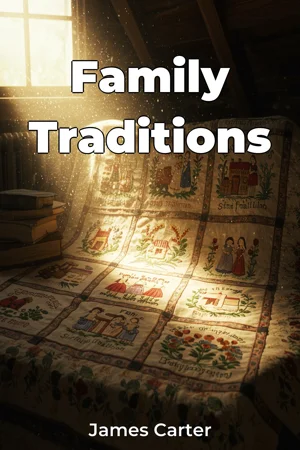
"Family Traditions" explores the profound impact of repeated customs on shaping family identity and strengthening intergenerational bonds. Delving into the history and evolution of these practices, the book highlights how traditions, such as specific holiday traditions or family reunions, create a sense of belonging and predictability, especially during times of change. The book reveals that these aren't just nostalgic practices, but powerful tools for building resilience and preserving family history. The book examines traditions centered around birthdays, holidays, and family reunions, uncovering why these moments are especially ripe for unique customs. It traces the origins of many traditions, detailing their evolution across cultures and time periods, further explaining their sociological and psychological underpinnings. By analyzing historical accounts, sociological studies, and family history archives, the book emphasizes how families actively shape their traditions, adapting and reinventing customs across generations. Beginning with a definition of family traditions, the book progresses through specific examples and case studies. It offers practical guidance on creating new traditions and adapting existing ones. Written in an accessible style, "Family Traditions" provides insights and tools for readers to enhance their family life and create lasting memories, demonstrating that traditions are a dynamic part of family relationships.
Book Details
ISBN
9788235254085
Publisher
Publifye AS
Your Licenses
You don't own any licenses for this book
Purchase a license below to unlock this book and download the EPUB.
Purchase License
Select a tier to unlock this book
Need bulk licensing?
Contact us for enterprise agreements.