
About This Book
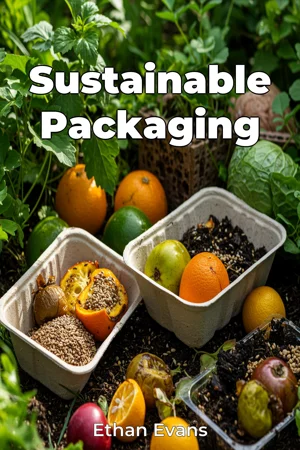
Can the way we package food save our planet? This book, "Sustainable Packaging," delves into the critical intersection of food packaging, environmental responsibility, and business management, exploring the pressing need for a shift towards sustainable practices in the food industry. The environmental impact of conventional food packaging is undeniable, from overflowing landfills to marine pollution. This book argues that adopting biodegradable and reusable materials, coupled with innovative design and responsible business models, is not just an ethical imperative but also a pathway to long-term economic viability. We will begin by establishing the context of the current global waste crisis, tracing the evolution of food packaging materials from natural resources to synthetic polymers. Analyzing the lifecycle impacts of various packaging materials--including plastics, paper, glass, and metals––reveals a complex web of environmental trade-offs. The book also examines the historical and social factors contributing to the rise of single-use packaging and its pervasive presence in modern consumer culture. The core of "Sustainable Packaging" lies in its exploration of alternative packaging solutions. We will explore the properties, benefits, and limitations of biodegradable and compostable materials derived from renewable sources, such as plant-based polymers and agricultural waste. Reusable packaging systems, including deposit-refund schemes and refill models, will be analyzed for their potential to reduce waste and promote circularity. Crucially, the book will delve into the technological advancements driving innovation in sustainable packaging, from edible films to smart packaging that extends shelf life and reduces food waste. To support these arguments, the book draws upon a wide range of evidence, including scientific studies, industry reports, and case studies of businesses successfully implementing sustainable packaging strategies. Life cycle assessments (LCAs) will be a key tool for comparing the environmental performance of different packaging systems, while economic analyses will evaluate the costs and benefits of transitioning to sustainable materials. We will incorporate data from government agencies, NGOs, and private sector initiatives, offering a comprehensive and data-driven perspective. "Sustainable Packaging" connects to several other fields, including environmental science, materials science, and supply chain management. Understanding the ecological impacts of packaging requires knowledge of ecosystem dynamics and pollution pathways. The development of new packaging materials necessitates expertise in polymer chemistry and materials engineering. Implementing sustainable packaging solutions requires collaboration across the entire supply chain, from raw material suppliers to retailers and consumers. A distinctive feature of this book is its focus on practical implementation. While acknowledging the complexity of the challenges, it provides concrete strategies for businesses to reduce their packaging footprint. This includes guidance on material selection, packaging design, waste management, and consumer engagement. Topics like extended producer responsibility (EPR) schemes and policy interventions aimed will be investigated. Written in a clear and accessible style, "Sustainable Packaging" is aimed at a diverse audience, including business managers, sustainability professionals, policymakers, and environmentally conscious consumers. It appeals to readers seeking a comprehensive understanding of the environmental challenges posed by food packaging and practical solutions for creating a more sustainable food system. The book acknowledges the ongoing debates surrounding the effectiveness of different sustainable packaging strategies and avoids overly simplistic solutions. It recognizes the trade-offs involved in material selection and the need for a nuanced approach that considers both environmental and economic factors. The book maintains a focus on food packaging within the broader context of sustainable consumption and production, providing the reader with valuable tools to make informed decisions and contribute to creating a more responsible future. Real-world examples of companies adopting these practices will be presented, demonstrating the viability and benefits of a shift to a circular economy.
Can the way we package food save our planet? This book, "Sustainable Packaging," delves into the critical intersection of food packaging, environmental responsibility, and business management, exploring the pressing need for a shift towards sustainable practices in the food industry. The environmental impact of conventional food packaging is undeniable, from overflowing landfills to marine pollution. This book argues that adopting biodegradable and reusable materials, coupled with innovative design and responsible business models, is not just an ethical imperative but also a pathway to long-term economic viability. We will begin by establishing the context of the current global waste crisis, tracing the evolution of food packaging materials from natural resources to synthetic polymers. Analyzing the lifecycle impacts of various packaging materials--including plastics, paper, glass, and metals––reveals a complex web of environmental trade-offs. The book also examines the historical and social factors contributing to the rise of single-use packaging and its pervasive presence in modern consumer culture. The core of "Sustainable Packaging" lies in its exploration of alternative packaging solutions. We will explore the properties, benefits, and limitations of biodegradable and compostable materials derived from renewable sources, such as plant-based polymers and agricultural waste. Reusable packaging systems, including deposit-refund schemes and refill models, will be analyzed for their potential to reduce waste and promote circularity. Crucially, the book will delve into the technological advancements driving innovation in sustainable packaging, from edible films to smart packaging that extends shelf life and reduces food waste. To support these arguments, the book draws upon a wide range of evidence, including scientific studies, industry reports, and case studies of businesses successfully implementing sustainable packaging strategies. Life cycle assessments (LCAs) will be a key tool for comparing the environmental performance of different packaging systems, while economic analyses will evaluate the costs and benefits of transitioning to sustainable materials. We will incorporate data from government agencies, NGOs, and private sector initiatives, offering a comprehensive and data-driven perspective. "Sustainable Packaging" connects to several other fields, including environmental science, materials science, and supply chain management. Understanding the ecological impacts of packaging requires knowledge of ecosystem dynamics and pollution pathways. The development of new packaging materials necessitates expertise in polymer chemistry and materials engineering. Implementing sustainable packaging solutions requires collaboration across the entire supply chain, from raw material suppliers to retailers and consumers. A distinctive feature of this book is its focus on practical implementation. While acknowledging the complexity of the challenges, it provides concrete strategies for businesses to reduce their packaging footprint. This includes guidance on material selection, packaging design, waste management, and consumer engagement. Topics like extended producer responsibility (EPR) schemes and policy interventions aimed will be investigated. Written in a clear and accessible style, "Sustainable Packaging" is aimed at a diverse audience, including business managers, sustainability professionals, policymakers, and environmentally conscious consumers. It appeals to readers seeking a comprehensive understanding of the environmental challenges posed by food packaging and practical solutions for creating a more sustainable food system. The book acknowledges the ongoing debates surrounding the effectiveness of different sustainable packaging strategies and avoids overly simplistic solutions. It recognizes the trade-offs involved in material selection and the need for a nuanced approach that considers both environmental and economic factors. The book maintains a focus on food packaging within the broader context of sustainable consumption and production, providing the reader with valuable tools to make informed decisions and contribute to creating a more responsible future. Real-world examples of companies adopting these practices will be presented, demonstrating the viability and benefits of a shift to a circular economy.
"Sustainable Packaging" explores the critical need for sustainable practices in the food industry, addressing the significant environmental impact of conventional food packaging. The book examines the evolution of packaging materials and analyzes the lifecycle impacts of plastics, paper, and other materials, highlighting the complexities of environmental trade-offs. One intriguing fact is the potential of biodegradable and compostable materials derived from renewable sources to revolutionize packaging. Additionally, the book delves into reusable packaging systems like deposit-refund schemes, showcasing their potential to reduce waste and promote a circular economy. The core of the book focuses on alternative packaging solutions, technological advancements, and real-world examples of businesses successfully implementing sustainable strategies. It emphasizes practical implementation, offering concrete strategies for businesses, including guidance on material selection, packaging design, and waste management. The book uses scientific studies, industry reports, and case studies to support its arguments, providing a data-driven perspective on the shift towards environmental responsibility. The book progresses by first establishing the context of the global waste crisis, then explores alternative packaging solutions, and concludes by providing practical strategies for businesses. It acknowledges the complexities and trade-offs involved in material selection, advocating for a nuanced approach that considers both environmental and economic factors. This approach makes the book a valuable resource for business managers, sustainability professionals, and anyone interested in creating a more sustainable food system.
Book Details
ISBN
9788235254009
Publisher
Publifye AS
Your Licenses
You don't own any licenses for this book
Purchase a license below to unlock this book and download the EPUB.
Purchase License
Select a tier to unlock this book
Need bulk licensing?
Contact us for enterprise agreements.