
About This Book
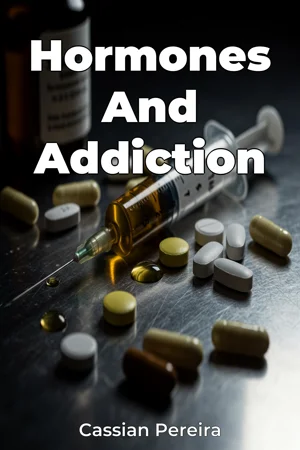
Are hormones the silent puppeteers behind the relentless grip of addiction? This book, "Hormones And Addiction," delves into the intricate relationship between our endocrine system and the development, maintenance, and overcoming of addictive behaviors. Exploring the fields of psychology, biology, and life sciences, we examine how hormonal fluctuations impact cravings, withdrawal symptoms, and relapse vulnerability, offering a comprehensive understanding of addiction beyond traditional psychological or environmental factors. Addiction, often perceived as a matter of willpower or learned behavior, reveals a more nuanced reality when viewed through the lens of endocrinology. We investigate the roles of key hormones such as dopamine, cortisol, testosterone, estrogen, and ghrelin in modulating the reward pathways in the brain, stress responses, and the physical manifestations of withdrawal. Understanding these hormonal influences provides a critical layer of knowledge for both researchers and individuals seeking to break free from the cycle of addiction. This book argues that a more holistic approach to addiction treatment is necessary, one that integrates endocrinological considerations alongside psychological and social interventions. By identifying and addressing hormonal imbalances, treatment strategies can be tailored to individuals, potentially leading to more effective and sustainable recovery outcomes. We will present evidence-based research, including clinical studies and preclinical models, that highlight the impact of hormonal therapies and lifestyle interventions on addiction-related behaviors. The book is structured to provide a clear and logical progression of understanding. It begins with an overview of the neuroendocrine system and its role in regulating behavior, setting the stage for subsequent discussions on specific hormones involved in addiction. We then explore how these hormones influence different stages of the addiction cycle, from initial experimentation to compulsive use and relapse. Major sections will be dedicated to: 1) the hormonal responses to various addictive substances, including alcohol, opioids, and stimulants; 2) the impact of stress hormones on craving and relapse; 3) the role of sex hormones in addiction vulnerability and treatment outcomes; and 4) potential therapeutic interventions targeting hormonal dysregulation in addiction. The culmination of the book synthesizes these findings, offering a practical framework for incorporating endocrinological insights into addiction treatment protocols and prevention strategies. Drawing upon a range of scientific literature, clinical case studies, and meta-analyses, this book critically evaluates the evidence supporting the role of hormones in addiction. We address the methodological challenges in this field, acknowledging the complexities of studying human behavior and the interplay of biological, psychological, and social factors. Further, we connect endocrinology to related fields such as neuroscience, pharmacology, and behavioral economics. This interdisciplinary approach enhances the understanding of addiction as a complex biopsychosocial phenomenon. The book’s unique perspective lies in its specific focus on the hormonal aspects of addiction, an area that is often overlooked in mainstream discussions. Targeted towards researchers, clinicians, students in related fields, and individuals affected by addiction, this book offers a valuable resource for understanding the biological underpinnings of addictive behaviors. It is written in an accessible yet scientifically rigorous style, making complex concepts understandable to a broad audience. The scope of the book is intentionally focused on the role of specific hormones, acknowledging that addiction is a multifaceted issue influenced by numerous factors. The book does not offer medical advice, but provides information to support informed discussions with healthcare professionals. The information presented has real-world applications for developing new pharmacological targets for addiction treatment, personalizing treatment plans based on hormonal profiles, and implementing lifestyle interventions to promote hormonal balance. While we present the current state-of-the-art research, we also acknowledge ongoing debates and controversies in the field, such as the effectiveness of hormonal therapies for addiction and the ethical considerations surrounding their use. "Hormones And Addiction" aims to provide a comprehensive and balanced perspective, fostering a deeper understanding of the complex interplay between hormones and addictive behaviors.
Are hormones the silent puppeteers behind the relentless grip of addiction? This book, "Hormones And Addiction," delves into the intricate relationship between our endocrine system and the development, maintenance, and overcoming of addictive behaviors. Exploring the fields of psychology, biology, and life sciences, we examine how hormonal fluctuations impact cravings, withdrawal symptoms, and relapse vulnerability, offering a comprehensive understanding of addiction beyond traditional psychological or environmental factors. Addiction, often perceived as a matter of willpower or learned behavior, reveals a more nuanced reality when viewed through the lens of endocrinology. We investigate the roles of key hormones such as dopamine, cortisol, testosterone, estrogen, and ghrelin in modulating the reward pathways in the brain, stress responses, and the physical manifestations of withdrawal. Understanding these hormonal influences provides a critical layer of knowledge for both researchers and individuals seeking to break free from the cycle of addiction. This book argues that a more holistic approach to addiction treatment is necessary, one that integrates endocrinological considerations alongside psychological and social interventions. By identifying and addressing hormonal imbalances, treatment strategies can be tailored to individuals, potentially leading to more effective and sustainable recovery outcomes. We will present evidence-based research, including clinical studies and preclinical models, that highlight the impact of hormonal therapies and lifestyle interventions on addiction-related behaviors. The book is structured to provide a clear and logical progression of understanding. It begins with an overview of the neuroendocrine system and its role in regulating behavior, setting the stage for subsequent discussions on specific hormones involved in addiction. We then explore how these hormones influence different stages of the addiction cycle, from initial experimentation to compulsive use and relapse. Major sections will be dedicated to: 1) the hormonal responses to various addictive substances, including alcohol, opioids, and stimulants; 2) the impact of stress hormones on craving and relapse; 3) the role of sex hormones in addiction vulnerability and treatment outcomes; and 4) potential therapeutic interventions targeting hormonal dysregulation in addiction. The culmination of the book synthesizes these findings, offering a practical framework for incorporating endocrinological insights into addiction treatment protocols and prevention strategies. Drawing upon a range of scientific literature, clinical case studies, and meta-analyses, this book critically evaluates the evidence supporting the role of hormones in addiction. We address the methodological challenges in this field, acknowledging the complexities of studying human behavior and the interplay of biological, psychological, and social factors. Further, we connect endocrinology to related fields such as neuroscience, pharmacology, and behavioral economics. This interdisciplinary approach enhances the understanding of addiction as a complex biopsychosocial phenomenon. The book’s unique perspective lies in its specific focus on the hormonal aspects of addiction, an area that is often overlooked in mainstream discussions. Targeted towards researchers, clinicians, students in related fields, and individuals affected by addiction, this book offers a valuable resource for understanding the biological underpinnings of addictive behaviors. It is written in an accessible yet scientifically rigorous style, making complex concepts understandable to a broad audience. The scope of the book is intentionally focused on the role of specific hormones, acknowledging that addiction is a multifaceted issue influenced by numerous factors. The book does not offer medical advice, but provides information to support informed discussions with healthcare professionals. The information presented has real-world applications for developing new pharmacological targets for addiction treatment, personalizing treatment plans based on hormonal profiles, and implementing lifestyle interventions to promote hormonal balance. While we present the current state-of-the-art research, we also acknowledge ongoing debates and controversies in the field, such as the effectiveness of hormonal therapies for addiction and the ethical considerations surrounding their use. "Hormones And Addiction" aims to provide a comprehensive and balanced perspective, fostering a deeper understanding of the complex interplay between hormones and addictive behaviors.
"Hormones And Addiction" explores the profound connection between the endocrine system and addictive behaviors, offering a fresh perspective on this complex issue. It moves beyond traditional views of addiction as purely psychological or environmental, delving into how hormonal fluctuations influence cravings, withdrawal symptoms, and the likelihood of relapse. For example, the book highlights how hormones like dopamine and cortisol play key roles in the brain's reward pathways and stress responses, significantly impacting addiction. The book argues for a more holistic approach to addiction treatment, one that integrates endocrinological considerations with psychological and social interventions. By understanding and addressing hormonal imbalances, treatment strategies can become more personalized and potentially more effective. Did you know that sex hormones such as testosterone and estrogen also play a key role in addiction vulnerability and treatment outcomes? The book progresses logically, beginning with an overview of the neuroendocrine system before exploring the roles of specific hormones and their impact on different stages of addiction. The book's unique value lies in its specific focus on the often-overlooked hormonal aspects of addiction, providing researchers, clinicians, students, and affected individuals with a valuable resource. Through evidence-based research, clinical studies, and preclinical models, it showcases the impact of hormonal therapies and lifestyle interventions. It adopts an interdisciplinary approach, connecting endocrinology to neuroscience, pharmacology, and behavioral economics, enhancing the understanding of addiction as a complex biopsychosocial phenomenon.
Book Details
ISBN
9788235253835
Publisher
Publifye AS
Your Licenses
You don't own any licenses for this book
Purchase a license below to unlock this book and download the EPUB.
Purchase License
Select a tier to unlock this book
Need bulk licensing?
Contact us for enterprise agreements.