
About This Book
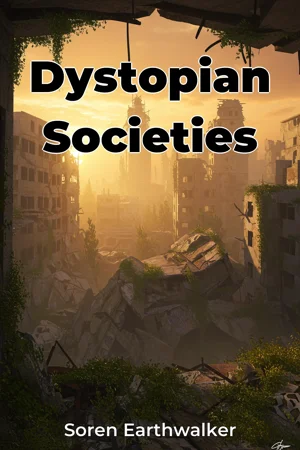
How does popular culture shape our understanding of societal control, rebellion, and the human spirit's will to survive? This book, *Dystopian Societies*, offers a critical exploration of how action manga serves as a powerful lens through which to examine dystopian futures, totalitarian regimes, and post-apocalyptic survival scenarios. It argues that these narratives, often dismissed as mere entertainment, provide valuable insights into political theory, social dynamics, and the enduring quest for freedom. We begin by establishing a working definition of "dystopia," differentiating it from simple negative portrayals of the future. We then delve into the historical and political context that informs these narratives, exploring the anxieties surrounding state power, technological advancement, and environmental degradation that pervade modern society. Foundational political science concepts, like the social contract, the nature of power, and forms of government, will be crucial for understanding the manga's political underpinnings. The book's central argument is that action manga, by vividly depicting extreme forms of social control and individual resistance, effectively functions as a form of political thought experiment. These manga expose the potential consequences of unchecked power, the fragility of democratic institutions, and the enduring human yearning for autonomy. Exploring these narratives through the lens of political and social theory allows us to understand present-day anxieties in a more profound way. The book is structured in three major parts. The first section introduces fundamental concepts related to dystopian literature and political philosophy. This section will examine recurring themes such as surveillance, propaganda, suppression of dissent, and the erosion of individual rights. The second section analyzes specific examples of action manga that portray totalitarian regimes, focusing on the mechanisms these regimes use to maintain control, and the strategies employed by characters who resist. The third section explores manga depicting post-apocalyptic societies, analyzing how these scenarios reveal the fundamental aspects of human nature, the necessity of social order, and the challenges of rebuilding civilization. We will also explore diverse manga such as those that deal with environmental collapse, resource scarcity, and the ethical dilemmas that arise in survival situations. Our analysis relies on a close reading of selected manga, combined with insights from political science, sociology, and cultural studies. We also draw upon historical examples of totalitarian regimes and social movements to provide context for the fictional worlds depicted in manga. Interdisciplinary connections are crucial; for instance, the book examines how psychological theories of obedience and resistance inform our understanding of character behavior, and how economic models of resource allocation shed light on the dynamics of post-apocalyptic societies. One innovative aspect of this book is its focus on action manga, a genre often overlooked in academic discussions of dystopian literature. By examining the genre’s unique visual language and narrative conventions, we gain a fresh perspective on how political ideas are communicated and consumed. Our intended audience includes students and scholars of political science, media studies, and cultural studies, as well as anyone interested in understanding the political and social themes explored in popular culture. This book will appeal to those seeking a deeper understanding of the anxieties and aspirations that shape our world, as reflected in the stories we tell. The scope of this book is deliberately focused on action manga, excluding other forms of media. This allows for a more in-depth analysis of the genre's unique characteristics. While it covers a wide range of manga, it does not claim to be an exhaustive catalog; rather, it offers a selection of representative examples that illustrate key themes and arguments. The insights presented in this book have real-world applications. By understanding the dynamics of power and resistance as depicted in manga, readers can develop a more critical awareness of the political and social challenges facing our own societies. Furthermore, the book encourages readers to engage with popular culture in a more thoughtful and analytical manner, recognizing its potential as a source of political insight and social commentary, by understanding the role of propaganda, social control, and the importance of individual freedom, we can become more informed and engaged citizens.
How does popular culture shape our understanding of societal control, rebellion, and the human spirit's will to survive? This book, *Dystopian Societies*, offers a critical exploration of how action manga serves as a powerful lens through which to examine dystopian futures, totalitarian regimes, and post-apocalyptic survival scenarios. It argues that these narratives, often dismissed as mere entertainment, provide valuable insights into political theory, social dynamics, and the enduring quest for freedom. We begin by establishing a working definition of "dystopia," differentiating it from simple negative portrayals of the future. We then delve into the historical and political context that informs these narratives, exploring the anxieties surrounding state power, technological advancement, and environmental degradation that pervade modern society. Foundational political science concepts, like the social contract, the nature of power, and forms of government, will be crucial for understanding the manga's political underpinnings. The book's central argument is that action manga, by vividly depicting extreme forms of social control and individual resistance, effectively functions as a form of political thought experiment. These manga expose the potential consequences of unchecked power, the fragility of democratic institutions, and the enduring human yearning for autonomy. Exploring these narratives through the lens of political and social theory allows us to understand present-day anxieties in a more profound way. The book is structured in three major parts. The first section introduces fundamental concepts related to dystopian literature and political philosophy. This section will examine recurring themes such as surveillance, propaganda, suppression of dissent, and the erosion of individual rights. The second section analyzes specific examples of action manga that portray totalitarian regimes, focusing on the mechanisms these regimes use to maintain control, and the strategies employed by characters who resist. The third section explores manga depicting post-apocalyptic societies, analyzing how these scenarios reveal the fundamental aspects of human nature, the necessity of social order, and the challenges of rebuilding civilization. We will also explore diverse manga such as those that deal with environmental collapse, resource scarcity, and the ethical dilemmas that arise in survival situations. Our analysis relies on a close reading of selected manga, combined with insights from political science, sociology, and cultural studies. We also draw upon historical examples of totalitarian regimes and social movements to provide context for the fictional worlds depicted in manga. Interdisciplinary connections are crucial; for instance, the book examines how psychological theories of obedience and resistance inform our understanding of character behavior, and how economic models of resource allocation shed light on the dynamics of post-apocalyptic societies. One innovative aspect of this book is its focus on action manga, a genre often overlooked in academic discussions of dystopian literature. By examining the genre’s unique visual language and narrative conventions, we gain a fresh perspective on how political ideas are communicated and consumed. Our intended audience includes students and scholars of political science, media studies, and cultural studies, as well as anyone interested in understanding the political and social themes explored in popular culture. This book will appeal to those seeking a deeper understanding of the anxieties and aspirations that shape our world, as reflected in the stories we tell. The scope of this book is deliberately focused on action manga, excluding other forms of media. This allows for a more in-depth analysis of the genre's unique characteristics. While it covers a wide range of manga, it does not claim to be an exhaustive catalog; rather, it offers a selection of representative examples that illustrate key themes and arguments. The insights presented in this book have real-world applications. By understanding the dynamics of power and resistance as depicted in manga, readers can develop a more critical awareness of the political and social challenges facing our own societies. Furthermore, the book encourages readers to engage with popular culture in a more thoughtful and analytical manner, recognizing its potential as a source of political insight and social commentary, by understanding the role of propaganda, social control, and the importance of individual freedom, we can become more informed and engaged citizens.
*Dystopian Societies* examines how action manga serves as a unique lens for understanding societal control, political theory, and the human drive for freedom. Moving beyond simple entertainment, the book argues that these narratives offer valuable insights into totalitarian regimes and post-apocalyptic scenarios. One intriguing aspect explored is how these manga function as political thought experiments, vividly depicting the consequences of unchecked power and the fragility of democratic institutions. By analyzing these extreme scenarios, the book sheds light on present-day anxieties related to state power, technological advancement, and environmental degradation, revealing how propaganda and social control operate within these fictional worlds. The book progresses systematically, first establishing a definition of dystopia and its historical context. It then analyzes specific manga examples, focusing on how regimes maintain control and how characters resist, linking these fictional portrayals to real-world political science concepts. The approach combines close readings of selected manga with insights from political science, sociology, and cultural studies. Ultimately, the book demonstrates how understanding power dynamics in manga can foster a more critical awareness of political and social challenges in our own societies and the importance of social movements and rebellion. By focusing specifically on action manga, a genre often overlooked in academic discussions, *Dystopian Societies* provides a fresh perspective on how political ideas are communicated and consumed. This interdisciplinary approach, drawing upon diverse fields, highlights the enduring quest for autonomy and the necessity of social order, making it a valuable resource for students, scholars, and anyone interested in the political and social themes found in popular culture.
Book Details
ISBN
9788235253811
Publisher
Publifye AS
Your Licenses
You don't own any licenses for this book
Purchase a license below to unlock this book and download the EPUB.
Purchase License
Select a tier to unlock this book
Need bulk licensing?
Contact us for enterprise agreements.