
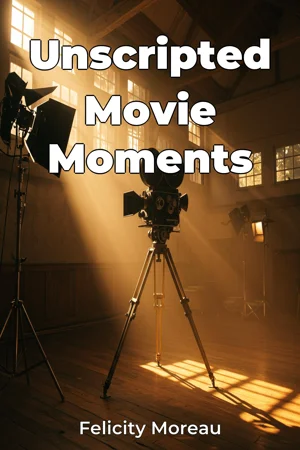
About This Book
Have you ever watched a movie and wondered if a particularly memorable line was actually scripted, or if it emerged spontaneously from the actor's creative impulse? "Unscripted Movie Moments" delves into the fascinating world of ad-libs and improvisations that have unexpectedly made their way into the final cuts of some of cinema's most iconic films, illustrating that the most authentic and impactful lines often arise from the unplanned. This book explores two primary concepts: the creative process of improvisation within filmmaking and its impact on the overall narrative and audience experience, and the historical backdrop that has shaped the acceptance and integration of unscripted moments in the film industry. Understanding these topics is essential for anyone seeking a deeper appreciation of the collaborative and often unpredictable nature of film production. The integration of improvisation in filmmaking is neither a new trend nor a universally accepted practice. Its history is peppered with debates about authorial intent, the role of the actor, and the balance between meticulous planning and spontaneous creativity. From early cinema to modern blockbusters, varying directorial styles and philosophies have influenced the freedom actors are given to deviate from the script. The central argument of "Unscripted Movie Moments" is that these spontaneous additions, when embraced effectively, can elevate a film by injecting authenticity, humor, or emotional depth that scripted dialogue alone might miss. It contends that such moments provide unique insight into the characters and the story, enriching the viewing experience for the audience. The book's structure begins by introducing the concept of improvisation in film, distinguishing between planned improvisation and spontaneous ad-libs. It then explores specific case studies, analyzing scenes from various films across different genres and eras. These analyses focus on how these unscripted moments enhanced character development, plot progression, or thematic resonance. Finally, the book culminates in a discussion on the implications of improvisation for contemporary filmmaking, including its potential risks and rewards. "Unscripted Movie Moments" relies on a multi-faceted approach, drawing evidence from screenplays, behind-the-scenes footage, director and actor interviews, and critical reviews. It will also incorporate analyses of audience reception to these moments, looking at how unscripted lines have been quoted, parodied, and ultimately, cemented in popular culture. The book connects to several fields, including performance studies, film theory, and cultural studies. Performance studies provides a framework for understanding the actor's creative process, and film theory offers tools for analyzing the narrative impact of unscripted moments. Cultural studies helps to contextualize these moments within broader social and historical trends. This book offers a unique perspective by focusing specifically on the unscripted moments that were successfully integrated into final film cuts. It moves beyond anecdotal accounts to provide a rigorous analysis of their impact, examining the creative choices that made these moments work. The book will adopt a narrative non-fiction style, weaving together detailed analyses with engaging anecdotes and behind-the-scenes stories. The target audience includes film students, aspiring filmmakers, cinephiles, and anyone interested in the creative processes behind their favorite movies. It maintains the conventions of both film and television analysis including scene breakdowns, character studies, and a focus on directorial intention while also incorporating artistic and creative production practices. Given its focus, this book will primarily examine films released in English and those with readily available documentation of their production process. This constraint allows for a more in-depth analysis of each selected moment. The insights in "Unscripted Movie Moments" can be applied in various practical contexts. Filmmakers can learn from successful examples of improvisation to create more dynamic and authentic scenes. Actors can gain inspiration for incorporating spontaneity into their performances. Film students can use its analyses as a framework for their own critical studies. While most agree that improvisation can add value, debates exist around how much artistic license should be given to actors, with some directors preferring to maintain strict control over every line of dialogue. The book acknowledges these perspectives and includes examples of films where improvisation may have detracted from the intended narrative.
Have you ever watched a movie and wondered if a particularly memorable line was actually scripted, or if it emerged spontaneously from the actor's creative impulse? "Unscripted Movie Moments" delves into the fascinating world of ad-libs and improvisations that have unexpectedly made their way into the final cuts of some of cinema's most iconic films, illustrating that the most authentic and impactful lines often arise from the unplanned. This book explores two primary concepts: the creative process of improvisation within filmmaking and its impact on the overall narrative and audience experience, and the historical backdrop that has shaped the acceptance and integration of unscripted moments in the film industry. Understanding these topics is essential for anyone seeking a deeper appreciation of the collaborative and often unpredictable nature of film production. The integration of improvisation in filmmaking is neither a new trend nor a universally accepted practice. Its history is peppered with debates about authorial intent, the role of the actor, and the balance between meticulous planning and spontaneous creativity. From early cinema to modern blockbusters, varying directorial styles and philosophies have influenced the freedom actors are given to deviate from the script. The central argument of "Unscripted Movie Moments" is that these spontaneous additions, when embraced effectively, can elevate a film by injecting authenticity, humor, or emotional depth that scripted dialogue alone might miss. It contends that such moments provide unique insight into the characters and the story, enriching the viewing experience for the audience. The book's structure begins by introducing the concept of improvisation in film, distinguishing between planned improvisation and spontaneous ad-libs. It then explores specific case studies, analyzing scenes from various films across different genres and eras. These analyses focus on how these unscripted moments enhanced character development, plot progression, or thematic resonance. Finally, the book culminates in a discussion on the implications of improvisation for contemporary filmmaking, including its potential risks and rewards. "Unscripted Movie Moments" relies on a multi-faceted approach, drawing evidence from screenplays, behind-the-scenes footage, director and actor interviews, and critical reviews. It will also incorporate analyses of audience reception to these moments, looking at how unscripted lines have been quoted, parodied, and ultimately, cemented in popular culture. The book connects to several fields, including performance studies, film theory, and cultural studies. Performance studies provides a framework for understanding the actor's creative process, and film theory offers tools for analyzing the narrative impact of unscripted moments. Cultural studies helps to contextualize these moments within broader social and historical trends. This book offers a unique perspective by focusing specifically on the unscripted moments that were successfully integrated into final film cuts. It moves beyond anecdotal accounts to provide a rigorous analysis of their impact, examining the creative choices that made these moments work. The book will adopt a narrative non-fiction style, weaving together detailed analyses with engaging anecdotes and behind-the-scenes stories. The target audience includes film students, aspiring filmmakers, cinephiles, and anyone interested in the creative processes behind their favorite movies. It maintains the conventions of both film and television analysis including scene breakdowns, character studies, and a focus on directorial intention while also incorporating artistic and creative production practices. Given its focus, this book will primarily examine films released in English and those with readily available documentation of their production process. This constraint allows for a more in-depth analysis of each selected moment. The insights in "Unscripted Movie Moments" can be applied in various practical contexts. Filmmakers can learn from successful examples of improvisation to create more dynamic and authentic scenes. Actors can gain inspiration for incorporating spontaneity into their performances. Film students can use its analyses as a framework for their own critical studies. While most agree that improvisation can add value, debates exist around how much artistic license should be given to actors, with some directors preferring to maintain strict control over every line of dialogue. The book acknowledges these perspectives and includes examples of films where improvisation may have detracted from the intended narrative.
"Unscripted Movie Moments" explores the captivating role of improvisation and ad-libs in cinema, revealing how unplanned moments can unexpectedly become iconic. The book examines the creative processes that allow for these spontaneous additions, and how directorial styles influence their integration into films. From actors injecting humor to adding emotional depth, these moments often enrich the narrative in ways that scripted dialogue cannot. The book delves into the history of unscripted moments, analyzing specific scenes from various genres and eras of filmmaking including English films. Revealing insights found in screenplays and behind-the-scenes footage, it also examines how these moments have been received by audiences. Did you know that some of cinema's most beloved lines were never actually written in the script? Beginning with an introduction to the concept of improvisation in film, the book distinguishes between planned and spontaneous moments. It then progresses through case studies, analyzing specific scenes and directorial styles. Finally, "Unscripted Movie Moments" concludes with a discussion on the implications of improvisation for contemporary filmmaking, offering a unique perspective on the risks and rewards of embracing spontaneity in cinema.
Book Details
ISBN
9788235253767
Publisher
Publifye AS
Your Licenses
You don't own any licenses for this book
Purchase a license below to unlock this book and download the EPUB.
Purchase License
Select a tier to unlock this book
Need bulk licensing?
Contact us for enterprise agreements.