
About This Book
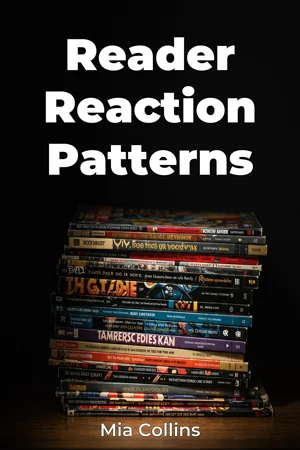
How do perceptions of LGBTQ characters and narratives in comics shape both the medium itself and broader societal attitudes? "Reader Reaction Patterns" delves into the multifaceted reception of LGBTQ content within comic books, graphic novels, and webcomics, analyzing trends in public and critical responses, dissecting prevalent forms of criticism, and assessing the long-term effects these narratives have on both the series themselves and the cultural landscape. The book explores how comics, as a visual and accessible medium, provide unique opportunities for LGBTQ representation, yet also face unique challenges in navigating audience expectations and potential backlash. This study is vital because comics, often considered a gateway to broader media consumption, play a significant role in shaping cultural understanding and acceptance. The portrayal of LGBTQ characters and storylines within comics can influence readers' perceptions of gender identity, sexual orientation, and social inclusivity. Understanding the patterns of reader response is crucial for creators, publishers, and educators seeking to promote diverse representation and combat harmful stereotypes. The book provides a historical context of LGBTQ representation in comics, tracing its evolution from early, often coded or stereotypical depictions to more nuanced and authentic portrayals. This background lays the foundation for understanding current debates surrounding representation, appropriation, and authorial intent. At the core of "Reader Reaction Patterns" lies the argument that the reception of LGBTQ comic content is a complex interplay of social, political, and aesthetic factors. The book posits that analyzing these reactions reveals not only biases and prejudices but also the potential for comics to foster empathy, understanding, and social change. The book is structured in three major sections. First, it introduces key concepts such as representation theory, queer theory, and fandom studies, providing the theoretical framework for understanding reader responses. Second, it analyzes specific case studies of LGBTQ comic series, focusing on notable instances of positive and negative reception. This section examines reader reviews, social media discussions, and critical analyses to identify recurring themes and patterns. Third, it examines the long-term impact of specific LGBTQ comic series, covering sales data, awards, and their influence on subsequent works. It also includes discussion of practical implication for creators, educators, and publishers on how to better represent LGBTQ themes and characters based on the patterns of reader reception. The analysis relies on a mixed-methods approach, incorporating quantitative data such as sales figures and social media metrics with qualitative data from reader reviews, interviews, and critical essays. Unique data sources may include archival materials from comic book publishers and online fan forums. The book connects to various disciplines. It intersects with sociology through the study of social attitudes and group dynamics, with media studies through the analysis of representation and audience reception, and with queer studies through its focus on LGBTQ identity and culture. These interdisciplinary connections enrich the argument by providing diverse perspectives on the complex relationship between comics and society. "Reader Reaction Patterns" offers a novel perspective by focusing on the longitudinal impact of reader reactions on the creative process and the evolution of LGBTQ representation in comics. This allows for a dynamic understanding of how creators adapt to feedback and how audience expectations shift over time. Written in an accessible yet scholarly style, the book targets a broad audience, including academics in media studies, sociology, and queer studies, as well as comic book creators, publishers, educators, and engaged fans. It provides valuable insights for anyone interested in the intersection of LGBTQ culture and popular media. As a work of social science and film & television studies, this book adheres to the rigorous standards of academic research while remaining accessible to a wider readership interested in these mediums. The scope of the book focuses primarily on mainstream and independent comics published in North America and Europe. Although it acknowledges the global reach of comics, it focuses on these regions due to the availability of data and the prevalence of English-language commentary. Ultimately, "Reader Reaction Patterns" demonstrates the power of comics as a medium for promoting social awareness and challenging societal norms. The book also acknowledges the potential for misrepresentation and the importance of ongoing critical engagement with LGBTQ comic content. This book also discusses controversies around gender identity in comics and the arguments around the representation of LGBTQ themes.
How do perceptions of LGBTQ characters and narratives in comics shape both the medium itself and broader societal attitudes? "Reader Reaction Patterns" delves into the multifaceted reception of LGBTQ content within comic books, graphic novels, and webcomics, analyzing trends in public and critical responses, dissecting prevalent forms of criticism, and assessing the long-term effects these narratives have on both the series themselves and the cultural landscape. The book explores how comics, as a visual and accessible medium, provide unique opportunities for LGBTQ representation, yet also face unique challenges in navigating audience expectations and potential backlash. This study is vital because comics, often considered a gateway to broader media consumption, play a significant role in shaping cultural understanding and acceptance. The portrayal of LGBTQ characters and storylines within comics can influence readers' perceptions of gender identity, sexual orientation, and social inclusivity. Understanding the patterns of reader response is crucial for creators, publishers, and educators seeking to promote diverse representation and combat harmful stereotypes. The book provides a historical context of LGBTQ representation in comics, tracing its evolution from early, often coded or stereotypical depictions to more nuanced and authentic portrayals. This background lays the foundation for understanding current debates surrounding representation, appropriation, and authorial intent. At the core of "Reader Reaction Patterns" lies the argument that the reception of LGBTQ comic content is a complex interplay of social, political, and aesthetic factors. The book posits that analyzing these reactions reveals not only biases and prejudices but also the potential for comics to foster empathy, understanding, and social change. The book is structured in three major sections. First, it introduces key concepts such as representation theory, queer theory, and fandom studies, providing the theoretical framework for understanding reader responses. Second, it analyzes specific case studies of LGBTQ comic series, focusing on notable instances of positive and negative reception. This section examines reader reviews, social media discussions, and critical analyses to identify recurring themes and patterns. Third, it examines the long-term impact of specific LGBTQ comic series, covering sales data, awards, and their influence on subsequent works. It also includes discussion of practical implication for creators, educators, and publishers on how to better represent LGBTQ themes and characters based on the patterns of reader reception. The analysis relies on a mixed-methods approach, incorporating quantitative data such as sales figures and social media metrics with qualitative data from reader reviews, interviews, and critical essays. Unique data sources may include archival materials from comic book publishers and online fan forums. The book connects to various disciplines. It intersects with sociology through the study of social attitudes and group dynamics, with media studies through the analysis of representation and audience reception, and with queer studies through its focus on LGBTQ identity and culture. These interdisciplinary connections enrich the argument by providing diverse perspectives on the complex relationship between comics and society. "Reader Reaction Patterns" offers a novel perspective by focusing on the longitudinal impact of reader reactions on the creative process and the evolution of LGBTQ representation in comics. This allows for a dynamic understanding of how creators adapt to feedback and how audience expectations shift over time. Written in an accessible yet scholarly style, the book targets a broad audience, including academics in media studies, sociology, and queer studies, as well as comic book creators, publishers, educators, and engaged fans. It provides valuable insights for anyone interested in the intersection of LGBTQ culture and popular media. As a work of social science and film & television studies, this book adheres to the rigorous standards of academic research while remaining accessible to a wider readership interested in these mediums. The scope of the book focuses primarily on mainstream and independent comics published in North America and Europe. Although it acknowledges the global reach of comics, it focuses on these regions due to the availability of data and the prevalence of English-language commentary. Ultimately, "Reader Reaction Patterns" demonstrates the power of comics as a medium for promoting social awareness and challenging societal norms. The book also acknowledges the potential for misrepresentation and the importance of ongoing critical engagement with LGBTQ comic content. This book also discusses controversies around gender identity in comics and the arguments around the representation of LGBTQ themes.
"Reader Reaction Patterns" explores the complex relationship between LGBTQ representation in comics and societal attitudes, examining how reader responses shape both the medium and broader cultural understanding. Comics offer unique opportunities for LGBTQ representation, yet also face challenges in navigating audience expectations. The book analyzes public and critical reactions to LGBTQ content in comics, graphic novels, and webcomics, highlighting the impact of these narratives on readers' perceptions of gender identity, sexual orientation, and social inclusivity. One intriguing aspect discussed is how negative reactions can sometimes stem from misinterpretations of queer theory, leading to debates about representation and authorial intent. The book progresses through three main sections, beginning with an introduction to key concepts like representation theory and fandom studies. It then analyzes specific case studies of LGBTQ comic series, identifying recurring themes in both positive and negative reception. Finally, it examines the long-term impact of these series, considering sales data, awards, and their influence on subsequent works. This approach allows the book to offer insight into how creators, educators, and publishers can better represent LGBTQ themes and characters, based on patterns of reader reaction, and how these reactions influence the evolution of LGBTQ representation in comics.
Book Details
ISBN
9788235253712
Publisher
Publifye AS
Your Licenses
You don't own any licenses for this book
Purchase a license below to unlock this book and download the EPUB.
Purchase License
Select a tier to unlock this book
Need bulk licensing?
Contact us for enterprise agreements.