
About This Book
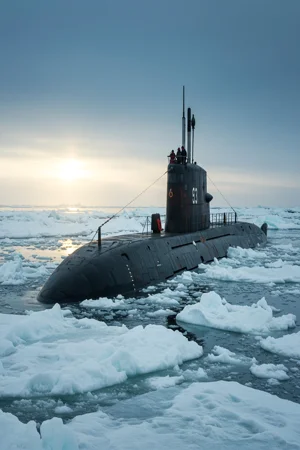
What secrets lie frozen beneath the Arctic and Antarctic ice? "Cold War Ice" delves into the largely unexplored history of clandestine military operations conducted in the polar regions during the Cold War, a period when the icy expanses served as strategic frontiers in the global struggle between the United States and the Soviet Union. This book examines the hidden history of scientific research, military deployments, and technological experimentation that unfolded in these remote and hostile environments. The book focuses on three central, interconnected themes: the strategic importance of the Arctic and Antarctic as potential zones of conflict, the technological innovations driven by the need to operate in extreme cold, and the environmental consequences of Cold War activities in these fragile ecosystems. These topics are important because they reveal a hidden dimension of the Cold War, one that extends beyond conventional narratives of land-based conflicts and nuclear standoffs. Understanding the geopolitical maneuvering, technological advancements, and ecological impact of this era provides critical insights into the complex legacy of the Cold War and its enduring relevance in the 21st century. Set against the backdrop of escalating tensions between the superpowers, "Cold War Ice" illuminates the geopolitical significance of the polar regions. The Arctic, with its proximity to both the US and Soviet territories, became a critical area for early warning systems, submarine deployments, and potential missile launch sites. The Antarctic, while demilitarized under the Antarctic Treaty System, still served as a site for scientific research with potential military applications and a stage for asserting national presence. The central argument of "Cold War Ice" is that the polar regions played a far more significant role in shaping Cold War strategies and technological developments than previously recognized. The book demonstrates that the unique challenges posed by the Arctic and Antarctic environments spurred innovation in areas such as cold-weather engineering, communications technology, and remote sensing, with lasting impacts on military and civilian applications. "Cold War Ice" begins by establishing the historical context, detailing early explorations and scientific expeditions that laid the groundwork for subsequent military activities. The book then explores specific projects, such as the US Army's Camp Century in Greenland, a secret project to build a network of nuclear missile launch sites under the ice. In terms of Antarctica, operations such as Operation Highjump, a large US Navy expedition shortly post-World War II, are explored to demonstrate early US interest in the continent during the early stages of the Cold War. The book then analyzes the evolution of submarine warfare in the Arctic, including the development of nuclear-powered submarines capable of navigating under the ice cap. The book culminates by examining the environmental impact of these activities, assessing the long-term consequences of nuclear tests, abandoned bases, and pollution on the polar ecosystems. The book relies on a range of primary and secondary sources, including declassified government documents, military records, scientific reports, and personal accounts from veterans and scientists who participated in these operations. It also incorporates data from environmental monitoring programs to assess the ecological impact of Cold War activities. "Cold War Ice" connects to several other fields of study, including environmental history, technology studies, and international relations. By examining the environmental consequences of military activities, the book contributes to a growing body of scholarship on the environmental impacts of warfare. By analyzing the technological innovations spurred by the Cold War, the book sheds light on the complex relationship between military research and civilian technology. By exploring the geopolitical dynamics of the polar regions, the book offers insights into the evolving nature of international relations in the 21st century. This book takes a unique approach by integrating historical analysis with scientific research and environmental assessment. It provides a comprehensive and interdisciplinary perspective on a largely unexplored aspect of the Cold War, challenging conventional narratives and offering a more nuanced understanding of this pivotal period in history. Written in a fact-based style, "Cold War Ice" aims to be accessible to a broad audience while maintaining scholarly rigor. The book is intended for readers interested in military history, Cold War history, environmental history, and polar studies. It offers valuable insights for students, researchers, policymakers, and anyone seeking a deeper understanding of the Cold War's global impact. The scope of "Cold War Ice" is limited to military activities and their direct consequences in the Arctic and Antarctic regions during the Cold War (roughly 1947-1991). While it acknowledges the broader geopolitical context, it focuses primarily on the specific operations and projects conducted in the polar regions. The information in "Cold War Ice" can be applied to contemporary issues such as climate change, resource management, and international security. By understanding the historical precedents for military activity in the polar regions, policymakers and researchers can better address the challenges and opportunities presented by the changing Arctic and Antarctic environments. "Cold War Ice" addresses ongoing debates about the environmental legacy of the Cold War and the balance between national security and environmental protection. By presenting a balanced and evidence-based analysis of these issues, the book aims to contribute to a more informed and nuanced understanding of the Cold War's complex legacy.
What secrets lie frozen beneath the Arctic and Antarctic ice? "Cold War Ice" delves into the largely unexplored history of clandestine military operations conducted in the polar regions during the Cold War, a period when the icy expanses served as strategic frontiers in the global struggle between the United States and the Soviet Union. This book examines the hidden history of scientific research, military deployments, and technological experimentation that unfolded in these remote and hostile environments. The book focuses on three central, interconnected themes: the strategic importance of the Arctic and Antarctic as potential zones of conflict, the technological innovations driven by the need to operate in extreme cold, and the environmental consequences of Cold War activities in these fragile ecosystems. These topics are important because they reveal a hidden dimension of the Cold War, one that extends beyond conventional narratives of land-based conflicts and nuclear standoffs. Understanding the geopolitical maneuvering, technological advancements, and ecological impact of this era provides critical insights into the complex legacy of the Cold War and its enduring relevance in the 21st century. Set against the backdrop of escalating tensions between the superpowers, "Cold War Ice" illuminates the geopolitical significance of the polar regions. The Arctic, with its proximity to both the US and Soviet territories, became a critical area for early warning systems, submarine deployments, and potential missile launch sites. The Antarctic, while demilitarized under the Antarctic Treaty System, still served as a site for scientific research with potential military applications and a stage for asserting national presence. The central argument of "Cold War Ice" is that the polar regions played a far more significant role in shaping Cold War strategies and technological developments than previously recognized. The book demonstrates that the unique challenges posed by the Arctic and Antarctic environments spurred innovation in areas such as cold-weather engineering, communications technology, and remote sensing, with lasting impacts on military and civilian applications. "Cold War Ice" begins by establishing the historical context, detailing early explorations and scientific expeditions that laid the groundwork for subsequent military activities. The book then explores specific projects, such as the US Army's Camp Century in Greenland, a secret project to build a network of nuclear missile launch sites under the ice. In terms of Antarctica, operations such as Operation Highjump, a large US Navy expedition shortly post-World War II, are explored to demonstrate early US interest in the continent during the early stages of the Cold War. The book then analyzes the evolution of submarine warfare in the Arctic, including the development of nuclear-powered submarines capable of navigating under the ice cap. The book culminates by examining the environmental impact of these activities, assessing the long-term consequences of nuclear tests, abandoned bases, and pollution on the polar ecosystems. The book relies on a range of primary and secondary sources, including declassified government documents, military records, scientific reports, and personal accounts from veterans and scientists who participated in these operations. It also incorporates data from environmental monitoring programs to assess the ecological impact of Cold War activities. "Cold War Ice" connects to several other fields of study, including environmental history, technology studies, and international relations. By examining the environmental consequences of military activities, the book contributes to a growing body of scholarship on the environmental impacts of warfare. By analyzing the technological innovations spurred by the Cold War, the book sheds light on the complex relationship between military research and civilian technology. By exploring the geopolitical dynamics of the polar regions, the book offers insights into the evolving nature of international relations in the 21st century. This book takes a unique approach by integrating historical analysis with scientific research and environmental assessment. It provides a comprehensive and interdisciplinary perspective on a largely unexplored aspect of the Cold War, challenging conventional narratives and offering a more nuanced understanding of this pivotal period in history. Written in a fact-based style, "Cold War Ice" aims to be accessible to a broad audience while maintaining scholarly rigor. The book is intended for readers interested in military history, Cold War history, environmental history, and polar studies. It offers valuable insights for students, researchers, policymakers, and anyone seeking a deeper understanding of the Cold War's global impact. The scope of "Cold War Ice" is limited to military activities and their direct consequences in the Arctic and Antarctic regions during the Cold War (roughly 1947-1991). While it acknowledges the broader geopolitical context, it focuses primarily on the specific operations and projects conducted in the polar regions. The information in "Cold War Ice" can be applied to contemporary issues such as climate change, resource management, and international security. By understanding the historical precedents for military activity in the polar regions, policymakers and researchers can better address the challenges and opportunities presented by the changing Arctic and Antarctic environments. "Cold War Ice" addresses ongoing debates about the environmental legacy of the Cold War and the balance between national security and environmental protection. By presenting a balanced and evidence-based analysis of these issues, the book aims to contribute to a more informed and nuanced understanding of the Cold War's complex legacy.
"Cold War Ice" uncovers the hidden history of military operations in the Arctic and Antarctic during the Cold War, revealing how these icy regions became strategic frontiers in the struggle between the US and the Soviet Union. The book examines the intersection of military history, world history, and environmental history, shedding light on clandestine activities, technological innovations, and the environmental impact of Cold War geopolitics in the polar regions. It highlights how the Arctic served as a critical area for early warning systems and submarine deployments, while the Antarctic, despite its demilitarized status, became a site for scientific research with potential military applications. The book progresses chronologically, beginning with early polar explorations and scientific expeditions before delving into specific Cold War projects, such as the US Army's secret Camp Century in Greenland and Operation Highjump in Antarctica. It reveals how the unique challenges of operating in extreme cold spurred innovation in cold-weather engineering and communications technology. Ultimately, "Cold War Ice" argues that the polar regions played a far more significant role in shaping Cold War strategies and technological developments than previously understood, leaving a lasting legacy on both international relations and the fragile polar ecosystems.
Book Details
ISBN
9788235253705
Publisher
Publifye AS
Your Licenses
You don't own any licenses for this book
Purchase a license below to unlock this book and download the EPUB.
Purchase License
Select a tier to unlock this book
Need bulk licensing?
Contact us for enterprise agreements.