
About This Book
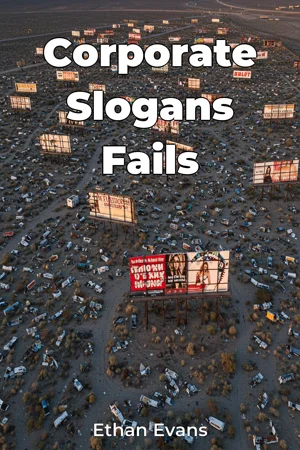
Have you ever wondered how a seemingly brilliant marketing strategy could backfire spectacularly, turning a global brand into a laughingstock? "Corporate Slogans Fails" delves into the high-stakes world of corporate branding and advertising, dissecting the anatomy of major slogan failures that resulted in unintended humor and significant public backlash. This book is essential for anyone seeking to understand the delicate balance between crafting a compelling message and triggering a public relations disaster. The book explores three key areas: the linguistic and cultural pitfalls in global advertising, the psychological factors that influence consumer perception of slogans, and the impact of social media on amplifying both the reach and the potential for damage from marketing mishaps. These topics are crucial because they highlight the increasing complexity of modern marketing, where a single misstep can spread virally and irrevocably damage brand reputation. We’ll examine the historical context of several infamous slogan failures, tracing their origins and analyzing the specific miscalculations that led to their downfall. The central argument of "Corporate Slogans Fails" is that a thorough understanding of linguistic nuances, cultural sensitivities, and consumer psychology is paramount to creating effective and resonant brand messaging. Neglecting these vital elements can lead to costly errors that undermine even the most established companies. The book is structured to provide a comprehensive analysis of this issue, starting with an introduction to core branding concepts and the importance of effective slogans. We then move into case studies of well-known failures, such as those arising from mistranslations, cultural insensitivity, or tone-deaf messaging. Subsequent chapters develop these case studies by analyzing the specific linguistic and cultural factors involved, the psychological principles at play in consumer reactions, and the role of social media in amplifying the negative consequences. The culmination of the book offers a framework for developing and testing slogans to minimize the risk of failure, along with practical advice for crisis management when things go wrong. Evidence presented includes detailed analyses of advertising campaigns, consumer surveys, media coverage, and internal corporate documents related to the case studies. The book also draws on linguistic research, psychological studies of consumer behavior, and communication theories to provide a multifaceted perspective. "Corporate Slogans Fails" connects to the fields of linguistics, psychology, and communication studies, demonstrating how these disciplines intersect in the realm of marketing. This interdisciplinary approach provides a richer and more nuanced understanding of the factors that contribute to slogan success or failure. The unique perspective offered by "Corporate Slogans Fails" lies in its combination of linguistic analysis, psychological insights, and real-world case studies. This approach provides a comprehensive and actionable guide for avoiding common pitfalls in branding and advertising. The book adopts a fact-based, analytical tone, presenting information in a clear and accessible manner. While drawing on academic research, the writing style remains engaging and avoids excessive jargon, making it suitable for a broad audience. The target audience includes marketing professionals, business students, entrepreneurs, and anyone interested in the power of language and the complexities of consumer behavior. The book offers valuable insights for anyone involved in creating or evaluating brand messaging. As a work of business management and marketing, "Corporate Slogans Fails" adheres to the conventions of the genre by providing practical advice, real-world examples, and actionable strategies for improving business outcomes. The scope of the book focuses specifically on slogan failures and their underlying causes, with intentional limitations on the coverage of successful campaigns. This allows for a more in-depth and focused analysis of the factors that contribute to marketing mishaps. The information in "Corporate Slogans Fails" can be applied directly to the development and evaluation of brand messaging, the training of marketing teams, and the management of brand reputation. The book also provides valuable insights for understanding consumer behavior and navigating the complex landscape of modern marketing. Finally, the book also addresses the ongoing discussions about the ethical considerations of global advertising and the potential for cultural appropriation or misrepresentation. By highlighting these controversies, "Corporate Slogans Fails" encourages a more responsible and culturally sensitive approach to branding and marketing.
Have you ever wondered how a seemingly brilliant marketing strategy could backfire spectacularly, turning a global brand into a laughingstock? "Corporate Slogans Fails" delves into the high-stakes world of corporate branding and advertising, dissecting the anatomy of major slogan failures that resulted in unintended humor and significant public backlash. This book is essential for anyone seeking to understand the delicate balance between crafting a compelling message and triggering a public relations disaster. The book explores three key areas: the linguistic and cultural pitfalls in global advertising, the psychological factors that influence consumer perception of slogans, and the impact of social media on amplifying both the reach and the potential for damage from marketing mishaps. These topics are crucial because they highlight the increasing complexity of modern marketing, where a single misstep can spread virally and irrevocably damage brand reputation. We’ll examine the historical context of several infamous slogan failures, tracing their origins and analyzing the specific miscalculations that led to their downfall. The central argument of "Corporate Slogans Fails" is that a thorough understanding of linguistic nuances, cultural sensitivities, and consumer psychology is paramount to creating effective and resonant brand messaging. Neglecting these vital elements can lead to costly errors that undermine even the most established companies. The book is structured to provide a comprehensive analysis of this issue, starting with an introduction to core branding concepts and the importance of effective slogans. We then move into case studies of well-known failures, such as those arising from mistranslations, cultural insensitivity, or tone-deaf messaging. Subsequent chapters develop these case studies by analyzing the specific linguistic and cultural factors involved, the psychological principles at play in consumer reactions, and the role of social media in amplifying the negative consequences. The culmination of the book offers a framework for developing and testing slogans to minimize the risk of failure, along with practical advice for crisis management when things go wrong. Evidence presented includes detailed analyses of advertising campaigns, consumer surveys, media coverage, and internal corporate documents related to the case studies. The book also draws on linguistic research, psychological studies of consumer behavior, and communication theories to provide a multifaceted perspective. "Corporate Slogans Fails" connects to the fields of linguistics, psychology, and communication studies, demonstrating how these disciplines intersect in the realm of marketing. This interdisciplinary approach provides a richer and more nuanced understanding of the factors that contribute to slogan success or failure. The unique perspective offered by "Corporate Slogans Fails" lies in its combination of linguistic analysis, psychological insights, and real-world case studies. This approach provides a comprehensive and actionable guide for avoiding common pitfalls in branding and advertising. The book adopts a fact-based, analytical tone, presenting information in a clear and accessible manner. While drawing on academic research, the writing style remains engaging and avoids excessive jargon, making it suitable for a broad audience. The target audience includes marketing professionals, business students, entrepreneurs, and anyone interested in the power of language and the complexities of consumer behavior. The book offers valuable insights for anyone involved in creating or evaluating brand messaging. As a work of business management and marketing, "Corporate Slogans Fails" adheres to the conventions of the genre by providing practical advice, real-world examples, and actionable strategies for improving business outcomes. The scope of the book focuses specifically on slogan failures and their underlying causes, with intentional limitations on the coverage of successful campaigns. This allows for a more in-depth and focused analysis of the factors that contribute to marketing mishaps. The information in "Corporate Slogans Fails" can be applied directly to the development and evaluation of brand messaging, the training of marketing teams, and the management of brand reputation. The book also provides valuable insights for understanding consumer behavior and navigating the complex landscape of modern marketing. Finally, the book also addresses the ongoing discussions about the ethical considerations of global advertising and the potential for cultural appropriation or misrepresentation. By highlighting these controversies, "Corporate Slogans Fails" encourages a more responsible and culturally sensitive approach to branding and marketing.
"Corporate Slogans Fails" investigates the precarious nature of corporate branding, focusing on the missteps that lead to marketing failures and public relations disasters. It reveals how easily a seemingly clever advertising campaign can backfire, turning a brand into a symbol of ridicule. The book highlights the importance of understanding consumer perception and the potential impact of social media in amplifying marketing mishaps. Did you know that a lack of cultural sensitivity in global advertising can lead to significant brand damage? The book explores these failures through detailed case studies, analyzing the linguistic and cultural factors involved, along with the psychological principles influencing consumer reactions. It progresses from introducing core branding concepts to examining real-world examples of mistranslations, tone-deaf messaging, and other blunders. "Corporate Slogans Fails" provides a framework for developing and testing slogans to minimize risk, along with practical advice for crisis management, emphasizing the need for a responsible, culturally sensitive approach to marketing and advertising. This analytical approach provides readers with a comprehensive understanding of how seemingly small miscalculations can have far-reaching consequences for brand reputation.
Book Details
ISBN
9788235253545
Publisher
Publifye AS
Your Licenses
You don't own any licenses for this book
Purchase a license below to unlock this book and download the EPUB.
Purchase License
Select a tier to unlock this book
Need bulk licensing?
Contact us for enterprise agreements.