
About This Book
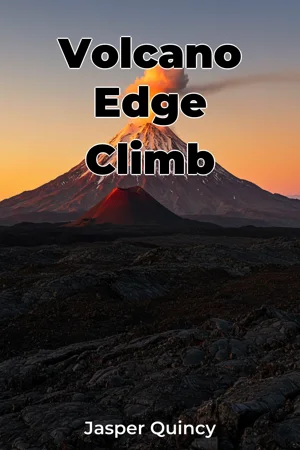
Dare to ascend where the earth breathes fire? "Volcano Edge Climb" is not merely a mountaineering guide; it is a comprehensive exploration of the unique challenges and inherent risks associated with climbing in the volatile environments surrounding active and dormant volcanoes. This book delves into the critical interplay between geological hazards and the specialized safety protocols required for successful and responsible ascents. The primary focus rests on three fundamental pillars: seismic risk assessment, the dynamic nature of volcanic terrain, and the dangers of sulfur exposure. Understanding these elements is paramount, not only for the safety of climbers but also for fostering a deeper appreciation of the powerful geological forces at play. "Volcano Edge Climb" provides essential historical and scientific grounding. We begin by examining significant volcanic eruptions and seismic events that have reshaped landscapes and impacted climbing expeditions. A foundational understanding of plate tectonics, volcanic formation, and basic seismology is assumed, though key concepts are reviewed to ensure accessibility for a broad audience, including experienced climbers venturing into volcanic regions for the first time and earth science enthusiasts seeking practical insights. The central argument asserts that climbing near active or dormant volcanoes necessitates a paradigm shift in traditional mountaineering practices. Standard alpine techniques are insufficient; instead, a multi-faceted approach integrating real-time geological monitoring, specialized gear, and a profound understanding of volcanic hazards is crucial. This book demonstrates that informed decision-making, based on scientific data and rigorous risk assessment, is the key to mitigating danger and maximizing the potential for safe and rewarding climbs. The book's structure unfolds logically. Part one introduces the fundamental concepts of volcanology and seismology relevant to climbers. This section lays the groundwork for understanding the specific threats encountered in these environments. Part two dissects the gear and logistical preparations required for volcano climbs, detailing equipment modifications for sulfurous conditions, gas detection devices, and emergency communication strategies. Part three focuses on risk assessment, providing practical methods for evaluating seismic activity, terrain instability, and gas emission levels. A concluding section emphasizes the ethical considerations of climbing in these fragile environments, advocating for minimal impact practices and responsible data collection. Throughout the book, arguments are supported by a combination of scientific literature, case studies of past expeditions, and expert interviews with volcanologists, seismologists, and experienced volcano climbers. Unique data sources, such as real-time seismic monitoring networks and satellite imagery analysis, are utilized to provide up-to-date information on volcanic activity. "Volcano Edge Climb" bridges the gap between earth sciences and adventure sports, forging connections with risk management, environmental science, and materials engineering. By examining the practical application of geological knowledge, the book enhances understanding of volcanic processes while promoting responsible exploration. The book adopts an informative and accessible tone, blending scientific rigor with practical advice. This approach ensures that the content is both reliable and engaging for a diverse readership. The intended audience includes experienced mountaineers and climbers looking to expand their skills into volcanic environments, earth science students and researchers interested in practical applications of their field, and adventure enthusiasts seeking a deeper understanding of the risks and rewards of exploring extreme landscapes. "Volcano Edge Climb" will be valuable to those planning expeditions and those interested in learning about the geological processes that shape our planet. In line with the Earth Sciences Geography and Adventure genres, the book balances scientific accuracy with captivating narratives of real-world experiences. While the book covers a wide range of volcanic environments, it does not provide specific route guides for particular volcanoes, focusing instead on general principles and best practices applicable across diverse locations. The information presented has direct real-world applications, including enhancing climber safety, informing land-use planning in volcanic regions, and improving strategies for monitoring and mitigating volcanic hazards. The book also touches upon the ongoing debate surrounding access to potentially hazardous volcanic areas, advocating for a balanced approach that respects both the scientific value of these environments and the rights of individuals to explore them responsibly.
Dare to ascend where the earth breathes fire? "Volcano Edge Climb" is not merely a mountaineering guide; it is a comprehensive exploration of the unique challenges and inherent risks associated with climbing in the volatile environments surrounding active and dormant volcanoes. This book delves into the critical interplay between geological hazards and the specialized safety protocols required for successful and responsible ascents. The primary focus rests on three fundamental pillars: seismic risk assessment, the dynamic nature of volcanic terrain, and the dangers of sulfur exposure. Understanding these elements is paramount, not only for the safety of climbers but also for fostering a deeper appreciation of the powerful geological forces at play. "Volcano Edge Climb" provides essential historical and scientific grounding. We begin by examining significant volcanic eruptions and seismic events that have reshaped landscapes and impacted climbing expeditions. A foundational understanding of plate tectonics, volcanic formation, and basic seismology is assumed, though key concepts are reviewed to ensure accessibility for a broad audience, including experienced climbers venturing into volcanic regions for the first time and earth science enthusiasts seeking practical insights. The central argument asserts that climbing near active or dormant volcanoes necessitates a paradigm shift in traditional mountaineering practices. Standard alpine techniques are insufficient; instead, a multi-faceted approach integrating real-time geological monitoring, specialized gear, and a profound understanding of volcanic hazards is crucial. This book demonstrates that informed decision-making, based on scientific data and rigorous risk assessment, is the key to mitigating danger and maximizing the potential for safe and rewarding climbs. The book's structure unfolds logically. Part one introduces the fundamental concepts of volcanology and seismology relevant to climbers. This section lays the groundwork for understanding the specific threats encountered in these environments. Part two dissects the gear and logistical preparations required for volcano climbs, detailing equipment modifications for sulfurous conditions, gas detection devices, and emergency communication strategies. Part three focuses on risk assessment, providing practical methods for evaluating seismic activity, terrain instability, and gas emission levels. A concluding section emphasizes the ethical considerations of climbing in these fragile environments, advocating for minimal impact practices and responsible data collection. Throughout the book, arguments are supported by a combination of scientific literature, case studies of past expeditions, and expert interviews with volcanologists, seismologists, and experienced volcano climbers. Unique data sources, such as real-time seismic monitoring networks and satellite imagery analysis, are utilized to provide up-to-date information on volcanic activity. "Volcano Edge Climb" bridges the gap between earth sciences and adventure sports, forging connections with risk management, environmental science, and materials engineering. By examining the practical application of geological knowledge, the book enhances understanding of volcanic processes while promoting responsible exploration. The book adopts an informative and accessible tone, blending scientific rigor with practical advice. This approach ensures that the content is both reliable and engaging for a diverse readership. The intended audience includes experienced mountaineers and climbers looking to expand their skills into volcanic environments, earth science students and researchers interested in practical applications of their field, and adventure enthusiasts seeking a deeper understanding of the risks and rewards of exploring extreme landscapes. "Volcano Edge Climb" will be valuable to those planning expeditions and those interested in learning about the geological processes that shape our planet. In line with the Earth Sciences Geography and Adventure genres, the book balances scientific accuracy with captivating narratives of real-world experiences. While the book covers a wide range of volcanic environments, it does not provide specific route guides for particular volcanoes, focusing instead on general principles and best practices applicable across diverse locations. The information presented has direct real-world applications, including enhancing climber safety, informing land-use planning in volcanic regions, and improving strategies for monitoring and mitigating volcanic hazards. The book also touches upon the ongoing debate surrounding access to potentially hazardous volcanic areas, advocating for a balanced approach that respects both the scientific value of these environments and the rights of individuals to explore them responsibly.
"Volcano Edge Climb" explores the thrilling yet perilous world of volcano climbing, offering a unique perspective on mountaineering in geologically active environments. It highlights how traditional climbing techniques fall short when facing seismic risk assessment, unstable volcanic terrain, and the dangers of sulfur exposure. The book emphasizes the necessity of integrating real-time geological monitoring and specialized gear, advocating for a paradigm shift in climbing practices to ensure climber safety. For instance, understanding plate tectonics, the driving force behind volcanism, becomes crucial for anticipating potential hazards. The book begins by establishing a solid scientific foundation, introducing key concepts in volcanology and seismology. It progresses to discuss essential gear modifications, risk assessment strategies, and ethical considerations for responsible exploration. By blending scientific rigor with practical advice, "Volcano Edge Climb" bridges the gap between earth science and adventure. The book also uses case studies and expert interviews to support its arguments, making it an invaluable resource for experienced climbers and earth science enthusiasts alike.
Book Details
ISBN
9788235253521
Publisher
Publifye AS
Your Licenses
You don't own any licenses for this book
Purchase a license below to unlock this book and download the EPUB.
Purchase License
Select a tier to unlock this book
Need bulk licensing?
Contact us for enterprise agreements.