
About This Book
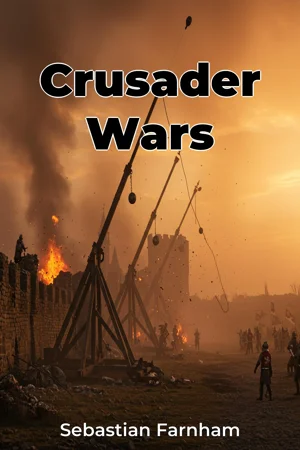
Were the Crusades solely driven by religious fervor, or were there other, more complex motivations at play? Crusader Wars delves into this pivotal period of European and Middle Eastern history, offering a comprehensive analysis of the Crusades. This book examines not only the religious motivations behind these military campaigns but also the intricate web of political, economic, and social factors that shaped them, and their long-term effects. It's crucial to understand the Crusades because they represent a critical juncture in the relationship between the West and the Middle East, the repercussions of which continue to resonate today. This book argues that the Crusades were not simply a series of religiously motivated wars, but rather a complex phenomenon driven by a confluence of factors, including religious zeal, political ambition, and economic opportunity. This understanding is vital for comprehending the dynamics of power, religion, and culture in the medieval world and their lasting impact on modern geopolitics. Crusader Wars begins by setting the historical stage, exploring the religious, political, and social landscape of Europe and the Middle East in the centuries leading up to the First Crusade. It then examines the key Crusades, beginning with the initial call to arms and the establishment of the Crusader states, meticulously detailing the military campaigns, strategies, and key figures involved. Subsequent chapters analyze the motivations of the Crusaders, dissecting the complex interplay of religious belief, the promise of land and wealth, and the desire for political advancement. The book then investigates the impact of the Crusades on both Europe and the Middle East, scrutinizing the cultural exchange, economic transformations, and political realignments that resulted. It explores the rise of new military orders, the development of new trade routes, and the intensification of religious tensions. The narrative culminates in an assessment of the long-term legacy of the Crusades, examining their role in shaping Western and Middle Eastern identities, the development of international relations, and the ongoing conflicts in the region. The arguments presented in Crusader Wars are supported by a rigorous examination of primary source materials, including chronicles, letters, and legal documents from both European and Middle Eastern perspectives. Archaeological evidence and numismatic data are also integrated to provide a more complete picture of the period. Crusader Wars connects to the fields of religious studies, political science, and economics, offering insights into the dynamics of religious conflict, the nature of political power, and the impact of economic forces on historical events. This book offers a balanced and nuanced perspective, challenging traditional narratives and providing new insights into the Crusades. It distinguishes itself by integrating diverse perspectives and methodologies to offer an objective and comprehensive understanding of the Crusades, avoiding any romanticized or biased portrayals. Written in a clear and accessible style suitable for both academic and general audiences, Crusader Wars aims to reach anyone interested in military history, medieval history, or the history of the Middle East. This volume is valuable for students, researchers, and general readers seeking a deeper understanding of the Crusades and their enduring legacy. While Crusader Wars covers the major Crusades and their key impacts, it does not delve into every minor campaign or individual figure. The focus remains on the broad trends and overarching themes that defined this pivotal period. A practical application of the information in this book lies in its ability to provide context for understanding contemporary conflicts and geopolitical dynamics in the Middle East. By understanding the historical roots of these conflicts, we can better navigate the complex challenges of the present. Crusader Wars addresses the ongoing debates surrounding the interpretation of the Crusades, acknowledging the different perspectives and challenging biased narratives. It fosters a deeper understanding of this complex and important period in history.
Were the Crusades solely driven by religious fervor, or were there other, more complex motivations at play? Crusader Wars delves into this pivotal period of European and Middle Eastern history, offering a comprehensive analysis of the Crusades. This book examines not only the religious motivations behind these military campaigns but also the intricate web of political, economic, and social factors that shaped them, and their long-term effects. It's crucial to understand the Crusades because they represent a critical juncture in the relationship between the West and the Middle East, the repercussions of which continue to resonate today. This book argues that the Crusades were not simply a series of religiously motivated wars, but rather a complex phenomenon driven by a confluence of factors, including religious zeal, political ambition, and economic opportunity. This understanding is vital for comprehending the dynamics of power, religion, and culture in the medieval world and their lasting impact on modern geopolitics. Crusader Wars begins by setting the historical stage, exploring the religious, political, and social landscape of Europe and the Middle East in the centuries leading up to the First Crusade. It then examines the key Crusades, beginning with the initial call to arms and the establishment of the Crusader states, meticulously detailing the military campaigns, strategies, and key figures involved. Subsequent chapters analyze the motivations of the Crusaders, dissecting the complex interplay of religious belief, the promise of land and wealth, and the desire for political advancement. The book then investigates the impact of the Crusades on both Europe and the Middle East, scrutinizing the cultural exchange, economic transformations, and political realignments that resulted. It explores the rise of new military orders, the development of new trade routes, and the intensification of religious tensions. The narrative culminates in an assessment of the long-term legacy of the Crusades, examining their role in shaping Western and Middle Eastern identities, the development of international relations, and the ongoing conflicts in the region. The arguments presented in Crusader Wars are supported by a rigorous examination of primary source materials, including chronicles, letters, and legal documents from both European and Middle Eastern perspectives. Archaeological evidence and numismatic data are also integrated to provide a more complete picture of the period. Crusader Wars connects to the fields of religious studies, political science, and economics, offering insights into the dynamics of religious conflict, the nature of political power, and the impact of economic forces on historical events. This book offers a balanced and nuanced perspective, challenging traditional narratives and providing new insights into the Crusades. It distinguishes itself by integrating diverse perspectives and methodologies to offer an objective and comprehensive understanding of the Crusades, avoiding any romanticized or biased portrayals. Written in a clear and accessible style suitable for both academic and general audiences, Crusader Wars aims to reach anyone interested in military history, medieval history, or the history of the Middle East. This volume is valuable for students, researchers, and general readers seeking a deeper understanding of the Crusades and their enduring legacy. While Crusader Wars covers the major Crusades and their key impacts, it does not delve into every minor campaign or individual figure. The focus remains on the broad trends and overarching themes that defined this pivotal period. A practical application of the information in this book lies in its ability to provide context for understanding contemporary conflicts and geopolitical dynamics in the Middle East. By understanding the historical roots of these conflicts, we can better navigate the complex challenges of the present. Crusader Wars addresses the ongoing debates surrounding the interpretation of the Crusades, acknowledging the different perspectives and challenging biased narratives. It fosters a deeper understanding of this complex and important period in history.
"Crusader Wars" offers a comprehensive exploration of the Crusades, revealing them as more than just religious wars. It examines the potent mix of religious zeal, political ambition, and economic opportunity that fueled these military campaigns between the West and the Middle East. One intriguing aspect the book uncovers is how the Crusades led to significant cultural exchange, impacting both Europe and the Middle East. Furthermore, the establishment of Crusader states highlights the ambition for land and wealth among the Crusaders. The book navigates the complexities of this era by initially setting the stage with the religious, political, and social conditions of both Europe and the Middle East. It then meticulously details the military campaigns and key figures involved, progresses to analyze the motivations of the Crusaders, and concludes with an assessment of the long-term legacy of the Crusades. By integrating diverse source materials, including chronicles and archaeological evidence, it provides a balanced perspective on religious conflict and medieval geopolitics, making it a valuable resource for understanding modern international relations.
Book Details
ISBN
9788235253453
Publisher
Publifye AS
Your Licenses
You don't own any licenses for this book
Purchase a license below to unlock this book and download the EPUB.
Purchase License
Select a tier to unlock this book
Need bulk licensing?
Contact us for enterprise agreements.