
About This Book
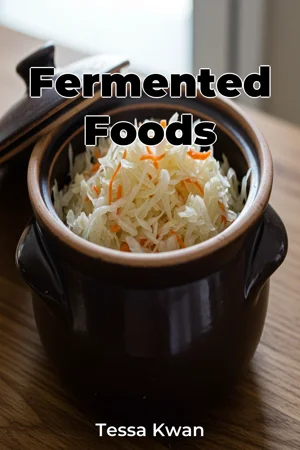
Have you ever considered that some of the most flavorful and healthful foods in your diet owe their existence to the transformative power of microscopic organisms? "Fermented Foods" explores the profound and multifaceted role of fermentation in both the history of food preservation and the evolution of global culinary traditions. We will explore not just the "how" of fermentation, but the "why," delving into its historical significance, scientific underpinnings, and cultural impact. This book argues that fermentation is far more than just a preservation technique; it is a foundational element of culinary arts worldwide, shaping regional flavors, influencing dietary habits, and reflecting cultural identities. This central thesis is explored through a narrative that weaves together history, microbiology, and gastronomy, demonstrating how fermentation transforms raw ingredients into complex and nutritious foods. The book is structured to provide a comprehensive understanding of fermentation. Beginning with an introduction to the core principles of microbial activity and the chemical processes involved, we move into the historical context. Chapters explore how ancient civilizations across the globe discovered and utilized fermentation, from the brewing of beer in Mesopotamia to the making of kimchi in Korea and the preparation of indigenous ferments in South America. This historical journey highlights the diverse applications of fermentation and its crucial role in ensuring food security in pre-industrial societies. A significant portion of the book is devoted to the scientific aspects of fermentation. We examine the specific microorganisms involved—bacteria, yeasts, and molds—and how they interact with different substrates. This section clarifies the biochemical reactions that produce various acids, alcohols, and other compounds that contribute to the unique flavors and textures of fermented foods. Scientific research, including microbial analysis and comparative studies of different fermentation techniques, will support these explanations. The book also explores the health benefits associated with fermented foods. We will examine the role of probiotics in promoting gut health, the increased bioavailability of nutrients in fermented foods, and the potential for these foods to contribute to overall well-being. This section addresses common misconceptions about fermented foods and provides evidence-based information on their nutritional value. "Fermented Foods" connects to several other fields of study, including anthropology (exploring the cultural significance of fermented foods), nutrition science (analyzing the health benefits), and microbiology (understanding the microorganisms involved). These interdisciplinary connections enrich the book's narrative and provide a more holistic understanding of the subject. The book adopts a narrative non-fiction style, aiming to be both informative and engaging. It is targeted towards a broad audience, including food enthusiasts, home cooks, health-conscious individuals, and students of culinary arts and history. No prior knowledge of microbiology or food science is required, as key concepts are explained in an accessible manner. While the book aims to provide a comprehensive overview of fermentation, it is important to note certain limitations. We will not attempt to cover every single fermented food product in the world, but rather to focus on representative examples that illustrate key principles and techniques. The information provided can be applied practically by readers who wish to explore home fermentation. The book includes detailed instructions and recipes for making a variety of fermented foods, from yogurt and sauerkraut to sourdough bread and kombucha. Finally, "Fermented Foods" acknowledges some of the ongoing debates surrounding fermented foods, such as the potential risks associated with certain types of fermentation and the varying quality of commercially produced fermented products. By addressing these issues, the book aims to provide a balanced and nuanced perspective on the world of fermentation.
Have you ever considered that some of the most flavorful and healthful foods in your diet owe their existence to the transformative power of microscopic organisms? "Fermented Foods" explores the profound and multifaceted role of fermentation in both the history of food preservation and the evolution of global culinary traditions. We will explore not just the "how" of fermentation, but the "why," delving into its historical significance, scientific underpinnings, and cultural impact. This book argues that fermentation is far more than just a preservation technique; it is a foundational element of culinary arts worldwide, shaping regional flavors, influencing dietary habits, and reflecting cultural identities. This central thesis is explored through a narrative that weaves together history, microbiology, and gastronomy, demonstrating how fermentation transforms raw ingredients into complex and nutritious foods. The book is structured to provide a comprehensive understanding of fermentation. Beginning with an introduction to the core principles of microbial activity and the chemical processes involved, we move into the historical context. Chapters explore how ancient civilizations across the globe discovered and utilized fermentation, from the brewing of beer in Mesopotamia to the making of kimchi in Korea and the preparation of indigenous ferments in South America. This historical journey highlights the diverse applications of fermentation and its crucial role in ensuring food security in pre-industrial societies. A significant portion of the book is devoted to the scientific aspects of fermentation. We examine the specific microorganisms involved—bacteria, yeasts, and molds—and how they interact with different substrates. This section clarifies the biochemical reactions that produce various acids, alcohols, and other compounds that contribute to the unique flavors and textures of fermented foods. Scientific research, including microbial analysis and comparative studies of different fermentation techniques, will support these explanations. The book also explores the health benefits associated with fermented foods. We will examine the role of probiotics in promoting gut health, the increased bioavailability of nutrients in fermented foods, and the potential for these foods to contribute to overall well-being. This section addresses common misconceptions about fermented foods and provides evidence-based information on their nutritional value. "Fermented Foods" connects to several other fields of study, including anthropology (exploring the cultural significance of fermented foods), nutrition science (analyzing the health benefits), and microbiology (understanding the microorganisms involved). These interdisciplinary connections enrich the book's narrative and provide a more holistic understanding of the subject. The book adopts a narrative non-fiction style, aiming to be both informative and engaging. It is targeted towards a broad audience, including food enthusiasts, home cooks, health-conscious individuals, and students of culinary arts and history. No prior knowledge of microbiology or food science is required, as key concepts are explained in an accessible manner. While the book aims to provide a comprehensive overview of fermentation, it is important to note certain limitations. We will not attempt to cover every single fermented food product in the world, but rather to focus on representative examples that illustrate key principles and techniques. The information provided can be applied practically by readers who wish to explore home fermentation. The book includes detailed instructions and recipes for making a variety of fermented foods, from yogurt and sauerkraut to sourdough bread and kombucha. Finally, "Fermented Foods" acknowledges some of the ongoing debates surrounding fermented foods, such as the potential risks associated with certain types of fermentation and the varying quality of commercially produced fermented products. By addressing these issues, the book aims to provide a balanced and nuanced perspective on the world of fermentation.
"Fermented Foods" explores the fascinating world where history and cooking intersect, revealing how fermentation has shaped culinary traditions and food preservation across cultures. This book argues that fermentation is more than a method; it's a cornerstone of global cuisines. Intriguingly, the practice dates back to ancient civilizations like Mesopotamia, who brewed beer, and Korea, where kimchi-making thrived. Fermentation not only ensured food security but also contributed to unique regional flavors and dietary habits. The book uniquely blends historical narrative with scientific explanations, detailing the microbiology behind the process. It progresses logically from fundamental principles to historical applications, examining the health benefits and nutritional value of fermented foods. Readers will discover how microorganisms like bacteria, yeasts, and molds transform raw ingredients, enhancing gut health through probiotics and increasing nutrient bioavailability. Furthermore, the book clarifies common misconceptions and provides an accessible pathway for understanding both the science and the cultural significance of fermentation. It adopts a narrative non-fiction style, covering key principles, historical contexts, and scientific aspects, while also offering practical guidance for home fermentation. Although it doesn’t cover every fermented food, the book focuses on representative examples to illustrate core techniques and principles. The book aims to provide a balanced perspective, even addressing ongoing debates and potential risks associated with certain fermentation practices.
Book Details
ISBN
9788235253217
Publisher
Publifye AS
Your Licenses
You don't own any licenses for this book
Purchase a license below to unlock this book and download the EPUB.
Purchase License
Select a tier to unlock this book
Need bulk licensing?
Contact us for enterprise agreements.