
About This Book
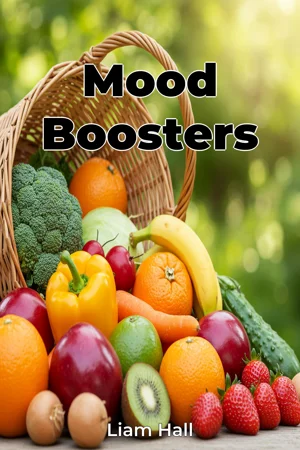
Are you a teenager struggling with unpredictable mood swings that disrupt your daily life? Do you feel like your emotions are a rollercoaster, impacting your relationships, schoolwork, and overall well-being? "Mood Boosters" offers natural, evidence-based strategies to help teenagers understand and manage their mood fluctuations, fostering emotional stability and resilience. This book tackles the often-overlooked connection between lifestyle choices and emotional health during the pivotal adolescent years. This book addresses three central topics: the impact of diet on mood, the role of exercise in emotional regulation, and the influence of hormonal changes on adolescent mental health. Each of these areas is explored in detail, providing a comprehensive overview of how these factors interact to shape the teenage emotional landscape. Understanding these connections is crucial for empowering teenagers to take control of their emotional well-being. Adolescence is a period marked by significant hormonal shifts, increased social pressures, and academic demands. These factors can contribute to mood swings, anxiety, and even depression. While hormonal changes are a natural part of puberty, their effects can be amplified by poor dietary habits and a lack of physical activity. Conversely, a healthy lifestyle can help mitigate the emotional impact of these hormonal fluctuations. This book, "Mood Boosters," requires no prior knowledge beyond a basic understanding of health and wellness concepts. The central argument of "Mood Boosters" is that by adopting specific dietary habits, engaging in regular exercise, and understanding the role of hormones, teenagers can significantly improve their emotional well-being and develop greater emotional resilience. This argument is vital because it shifts the focus from solely relying on medication or therapy to empowering teenagers with actionable strategies they can implement daily. "Mood Boosters" is structured to provide a clear and actionable guide for teenagers. The book begins by introducing the core concepts of mood regulation and the interconnectedness of diet, exercise, and hormones. It then delves into each of these areas in detail, exploring the specific nutrients that impact mood, the types of exercise that are most beneficial for emotional regulation, and the role of hormones like cortisol and serotonin. The culmination of the book provides practical strategies and daily routines for teenagers to incorporate these principles into their lives. Included are meal plans, exercise routines, sleep schedules, and mindfulness techniques. The recommendations made are supported by scientific research, drawing on studies from nutrition, exercise physiology, and endocrinology. The book synthesizes findings from clinical trials, observational studies, and meta-analyses to provide a robust and evidence-based approach to mood management. We will explore the documented effects of specific foods (e.g., omega-3 fatty acids, processed foods) and exercise types (e.g., aerobic exercise, yoga) on neurotransmitter levels and mood regulation. "Mood Boosters" connects to the fields of psychology, nutrition science, and sports medicine. By integrating insights from these disciplines, the book offers a holistic perspective on adolescent mental health. The content also touches on the impact of social environment (family and peers) and their influence on dietary and exercise habits demonstrating how those habits can mediate emotional well-being. "Mood Boosters" offers a unique approach by focusing specifically on the interconnectedness of diet, exercise, and hormones in adolescent mood regulation. While existing books may address these topics separately, this book uniquely integrates them into a cohesive and actionable framework for teenagers. The content also provides practical tools, such as meal plans and exercise routines, tailored to the specific needs and preferences of teenagers. "Mood Boosters" employs an accessible and conversational writing style, avoiding jargon and academic language. The goal is to present complex scientific information in a way that is engaging and easy to understand for teenage readers. The book includes real-life examples, case studies, and personal anecdotes to illustrate the concepts and make them relatable to the reader's own experiences. The intended audience is teenagers aged 13-19 who are experiencing mood swings, anxiety, or other emotional challenges. The book will also be valuable for parents, educators, and mental health professionals who work with teenagers. "Mood Boosters" offers practical strategies and insights that can be used to support teenagers in developing greater emotional resilience and well-being. As a health and fitness book, "Mood Boosters" provides evidence-based recommendations and practical tips for improving physical and mental health. It adheres to the conventions of the genre by providing clear explanations, actionable advice, and scientific references. The scope of "Mood Boosters" is limited to the impact of diet, exercise, and hormones on adolescent mood regulation. While other factors, such as genetics, trauma, and social environment, can also contribute to emotional health, these are not the primary focus of the book. The intention is to provide a focused and actionable guide that empowers teenagers to take control of their emotional well-being through lifestyle choices. The information in "Mood Boosters" can be applied practically by readers to improve their daily lives. By implementing the dietary recommendations, engaging in regular exercise, and practicing mindfulness techniques, teenagers can experience significant improvements in their mood, energy levels, and overall well-being. The book provides a roadmap for creating sustainable lifestyle changes that foster long-term emotional health. While the connection between lifestyle and mood is widely accepted, there are ongoing debates about the optimal dietary and exercise strategies for mental health. "Mood Boosters" addresses these debates by presenting a balanced and evidence-based perspective, acknowledging the limitations of current research and offering practical guidance that is grounded in scientific principles.
Are you a teenager struggling with unpredictable mood swings that disrupt your daily life? Do you feel like your emotions are a rollercoaster, impacting your relationships, schoolwork, and overall well-being? "Mood Boosters" offers natural, evidence-based strategies to help teenagers understand and manage their mood fluctuations, fostering emotional stability and resilience. This book tackles the often-overlooked connection between lifestyle choices and emotional health during the pivotal adolescent years. This book addresses three central topics: the impact of diet on mood, the role of exercise in emotional regulation, and the influence of hormonal changes on adolescent mental health. Each of these areas is explored in detail, providing a comprehensive overview of how these factors interact to shape the teenage emotional landscape. Understanding these connections is crucial for empowering teenagers to take control of their emotional well-being. Adolescence is a period marked by significant hormonal shifts, increased social pressures, and academic demands. These factors can contribute to mood swings, anxiety, and even depression. While hormonal changes are a natural part of puberty, their effects can be amplified by poor dietary habits and a lack of physical activity. Conversely, a healthy lifestyle can help mitigate the emotional impact of these hormonal fluctuations. This book, "Mood Boosters," requires no prior knowledge beyond a basic understanding of health and wellness concepts. The central argument of "Mood Boosters" is that by adopting specific dietary habits, engaging in regular exercise, and understanding the role of hormones, teenagers can significantly improve their emotional well-being and develop greater emotional resilience. This argument is vital because it shifts the focus from solely relying on medication or therapy to empowering teenagers with actionable strategies they can implement daily. "Mood Boosters" is structured to provide a clear and actionable guide for teenagers. The book begins by introducing the core concepts of mood regulation and the interconnectedness of diet, exercise, and hormones. It then delves into each of these areas in detail, exploring the specific nutrients that impact mood, the types of exercise that are most beneficial for emotional regulation, and the role of hormones like cortisol and serotonin. The culmination of the book provides practical strategies and daily routines for teenagers to incorporate these principles into their lives. Included are meal plans, exercise routines, sleep schedules, and mindfulness techniques. The recommendations made are supported by scientific research, drawing on studies from nutrition, exercise physiology, and endocrinology. The book synthesizes findings from clinical trials, observational studies, and meta-analyses to provide a robust and evidence-based approach to mood management. We will explore the documented effects of specific foods (e.g., omega-3 fatty acids, processed foods) and exercise types (e.g., aerobic exercise, yoga) on neurotransmitter levels and mood regulation. "Mood Boosters" connects to the fields of psychology, nutrition science, and sports medicine. By integrating insights from these disciplines, the book offers a holistic perspective on adolescent mental health. The content also touches on the impact of social environment (family and peers) and their influence on dietary and exercise habits demonstrating how those habits can mediate emotional well-being. "Mood Boosters" offers a unique approach by focusing specifically on the interconnectedness of diet, exercise, and hormones in adolescent mood regulation. While existing books may address these topics separately, this book uniquely integrates them into a cohesive and actionable framework for teenagers. The content also provides practical tools, such as meal plans and exercise routines, tailored to the specific needs and preferences of teenagers. "Mood Boosters" employs an accessible and conversational writing style, avoiding jargon and academic language. The goal is to present complex scientific information in a way that is engaging and easy to understand for teenage readers. The book includes real-life examples, case studies, and personal anecdotes to illustrate the concepts and make them relatable to the reader's own experiences. The intended audience is teenagers aged 13-19 who are experiencing mood swings, anxiety, or other emotional challenges. The book will also be valuable for parents, educators, and mental health professionals who work with teenagers. "Mood Boosters" offers practical strategies and insights that can be used to support teenagers in developing greater emotional resilience and well-being. As a health and fitness book, "Mood Boosters" provides evidence-based recommendations and practical tips for improving physical and mental health. It adheres to the conventions of the genre by providing clear explanations, actionable advice, and scientific references. The scope of "Mood Boosters" is limited to the impact of diet, exercise, and hormones on adolescent mood regulation. While other factors, such as genetics, trauma, and social environment, can also contribute to emotional health, these are not the primary focus of the book. The intention is to provide a focused and actionable guide that empowers teenagers to take control of their emotional well-being through lifestyle choices. The information in "Mood Boosters" can be applied practically by readers to improve their daily lives. By implementing the dietary recommendations, engaging in regular exercise, and practicing mindfulness techniques, teenagers can experience significant improvements in their mood, energy levels, and overall well-being. The book provides a roadmap for creating sustainable lifestyle changes that foster long-term emotional health. While the connection between lifestyle and mood is widely accepted, there are ongoing debates about the optimal dietary and exercise strategies for mental health. "Mood Boosters" addresses these debates by presenting a balanced and evidence-based perspective, acknowledging the limitations of current research and offering practical guidance that is grounded in scientific principles.
"Mood Boosters" offers teenagers a guide to understanding and managing mood swings by exploring the connection between lifestyle choices and emotional well-being. It uniquely combines insights from psychology, nutrition, and sports medicine to highlight how diet, exercise, and hormones interact to shape adolescent mental health. For example, the book delves into how specific nutrients impact mood and the types of exercises that best support emotional regulation. The book emphasizes that adopting healthy dietary habits and engaging in regular physical activity can significantly improve emotional resilience. It addresses the impact of hormonal changes, like those during puberty, which can be amplified by poor lifestyle choices. "Mood Boosters" progresses by first introducing core concepts of mood regulation and then exploring each area in detail, providing practical strategies such as meal plans, exercise routines, and mindfulness techniques to incorporate these principles into daily life. This approachable guide empowers teens to take control of their mental well-being. The book offers actionable advice grounded in scientific research, drawing from various studies to give a robust, evidence-based approach. The book helps readers understand how lifestyle choices can mitigate teen anxiety and improve overall mental well-being by providing a framework for creating sustainable habits.
Book Details
ISBN
9788235253194
Publisher
Publifye AS
Your Licenses
You don't own any licenses for this book
Purchase a license below to unlock this book and download the EPUB.
Purchase License
Select a tier to unlock this book
Need bulk licensing?
Contact us for enterprise agreements.