
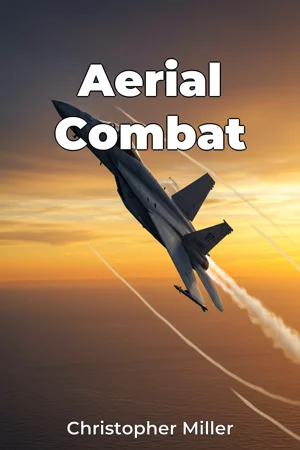
About This Book
How have the evolution of flight tactics and military technology intertwined to shape not only real-world aerial combat, but also the thrilling narratives of high-speed manga battles? "Aerial Combat" explores this complex relationship, diving into the historical development of air combat maneuvers and military technology, revealing how these elements have influenced and mirrored each other in both reality and fictional depictions, specifically within Japanese manga. This book examines two core themes: the progression of aerial combat tactics from the early dogfights of World War I to modern beyond-visual-range engagements, and the technological advancements in aircraft design and weaponry that have driven these tactical shifts. These themes are significant because they illustrate how human ingenuity adapts to technological change and how these adaptations, in turn, shape military strategy and popular culture. Understanding this dynamic is crucial for grasping the broader impact of technology on warfare and its cultural representation. We begin by establishing a historical context, tracing the origins of military aviation and the initial experiments with aerial tactics. Familiarity with basic aviation principles and a general understanding of 20th-century military history will enhance the reading experience, though the book is designed to be accessible to a broad audience. The central argument of "Aerial Combat" is that the evolution of air combat, both in its technical execution and strategic thinking, has profoundly impacted the visual and narrative language used to depict aerial battles in manga. We demonstrate how manga artists, often influenced by real-world military history and technology, incorporate these developments into their storytelling, creating a feedback loop where fiction reflects and amplifies reality. The book is structured in three parts. First, we introduce the fundamental principles of air combat, outlining basic maneuvers, weapon systems, and tactical doctrines from different eras. Second, we delve into case studies of significant aerial engagements throughout history, analyzing how technological advancements and tactical innovations influenced the outcomes. These case studies span from World War I's rudimentary dogfights to the sophisticated electronic warfare of the late 20th century. Third, we investigate specific examples of air combat manga, dissecting how these narratives utilize and adapt real-world aerial combat principles. We examine the accuracy of the depicted maneuvers, the functionality of the represented technology, and the overall strategic context. To support our arguments, we draw upon a wide range of sources, including military history archives, technical manuals for aircraft and weaponry, firsthand accounts from pilots and engineers, and detailed analyses of manga artwork and storylines. A key element of our research involves comparing and contrasting the depictions in manga with documented historical events, allowing us to gauge the level of realism and artistic license employed. "Aerial Combat" also connects to other fields, such as media studies, cultural history, and science and technology studies. By examining how military technology is portrayed in popular media, we gain insights into public perception of warfare and the cultural impact of technological advancements. Furthermore, we explore the psychological aspects of aerial combat, considering the cognitive demands placed on pilots and the emotional impact of high-speed conflict. Our approach is unique in its interdisciplinary perspective, combining rigorous military historical analysis with detailed media analysis. This allows us to bridge the gap between historical reality and fictional representation, providing a nuanced understanding of the complex interplay between technology, warfare, and culture. The tone will be informative and analytical, striving for objectivity while remaining engaging for a non-specialist audience. The writing style blends historical narrative with technical explanation, making complex concepts accessible without sacrificing accuracy. The target audience includes military history enthusiasts, manga aficionados, technology buffs, and anyone interested in the intersection of warfare and popular culture. This book will be valuable to those seeking a deeper understanding of how technology shapes both real-world conflicts and their cultural representation. In line with the conventions of military history, we provide detailed accounts of technological developments and tactical evolutions, grounded in factual evidence and rigorous analysis. However, we also venture into the realm of media studies, analyzing manga as a form of cultural expression and exploring its relationship to historical reality. The scope of "Aerial Combat" is limited to the historical development and technological aspects of air combat, primarily focusing on the 20th and early 21st centuries. While we acknowledge the broader social and political contexts of warfare, our primary focus remains on the technical and tactical dimensions of aerial engagements and their influence on manga. The insights offered in "Aerial Combat" can be applied practically to understanding the role of technology in shaping modern warfare and the power of media to influence public perception of conflict. Readers can use this knowledge to critically evaluate media representations of military technology and to appreciate the complex interplay between art and reality. While we strive for objectivity, it’s important to acknowledge ongoing debates within military history regarding the relative importance of technology versus human factors in determining the outcome of battles. "Aerial Combat" engages with these debates by analyzing specific case studies and considering the interplay of both technical and human elements.
How have the evolution of flight tactics and military technology intertwined to shape not only real-world aerial combat, but also the thrilling narratives of high-speed manga battles? "Aerial Combat" explores this complex relationship, diving into the historical development of air combat maneuvers and military technology, revealing how these elements have influenced and mirrored each other in both reality and fictional depictions, specifically within Japanese manga. This book examines two core themes: the progression of aerial combat tactics from the early dogfights of World War I to modern beyond-visual-range engagements, and the technological advancements in aircraft design and weaponry that have driven these tactical shifts. These themes are significant because they illustrate how human ingenuity adapts to technological change and how these adaptations, in turn, shape military strategy and popular culture. Understanding this dynamic is crucial for grasping the broader impact of technology on warfare and its cultural representation. We begin by establishing a historical context, tracing the origins of military aviation and the initial experiments with aerial tactics. Familiarity with basic aviation principles and a general understanding of 20th-century military history will enhance the reading experience, though the book is designed to be accessible to a broad audience. The central argument of "Aerial Combat" is that the evolution of air combat, both in its technical execution and strategic thinking, has profoundly impacted the visual and narrative language used to depict aerial battles in manga. We demonstrate how manga artists, often influenced by real-world military history and technology, incorporate these developments into their storytelling, creating a feedback loop where fiction reflects and amplifies reality. The book is structured in three parts. First, we introduce the fundamental principles of air combat, outlining basic maneuvers, weapon systems, and tactical doctrines from different eras. Second, we delve into case studies of significant aerial engagements throughout history, analyzing how technological advancements and tactical innovations influenced the outcomes. These case studies span from World War I's rudimentary dogfights to the sophisticated electronic warfare of the late 20th century. Third, we investigate specific examples of air combat manga, dissecting how these narratives utilize and adapt real-world aerial combat principles. We examine the accuracy of the depicted maneuvers, the functionality of the represented technology, and the overall strategic context. To support our arguments, we draw upon a wide range of sources, including military history archives, technical manuals for aircraft and weaponry, firsthand accounts from pilots and engineers, and detailed analyses of manga artwork and storylines. A key element of our research involves comparing and contrasting the depictions in manga with documented historical events, allowing us to gauge the level of realism and artistic license employed. "Aerial Combat" also connects to other fields, such as media studies, cultural history, and science and technology studies. By examining how military technology is portrayed in popular media, we gain insights into public perception of warfare and the cultural impact of technological advancements. Furthermore, we explore the psychological aspects of aerial combat, considering the cognitive demands placed on pilots and the emotional impact of high-speed conflict. Our approach is unique in its interdisciplinary perspective, combining rigorous military historical analysis with detailed media analysis. This allows us to bridge the gap between historical reality and fictional representation, providing a nuanced understanding of the complex interplay between technology, warfare, and culture. The tone will be informative and analytical, striving for objectivity while remaining engaging for a non-specialist audience. The writing style blends historical narrative with technical explanation, making complex concepts accessible without sacrificing accuracy. The target audience includes military history enthusiasts, manga aficionados, technology buffs, and anyone interested in the intersection of warfare and popular culture. This book will be valuable to those seeking a deeper understanding of how technology shapes both real-world conflicts and their cultural representation. In line with the conventions of military history, we provide detailed accounts of technological developments and tactical evolutions, grounded in factual evidence and rigorous analysis. However, we also venture into the realm of media studies, analyzing manga as a form of cultural expression and exploring its relationship to historical reality. The scope of "Aerial Combat" is limited to the historical development and technological aspects of air combat, primarily focusing on the 20th and early 21st centuries. While we acknowledge the broader social and political contexts of warfare, our primary focus remains on the technical and tactical dimensions of aerial engagements and their influence on manga. The insights offered in "Aerial Combat" can be applied practically to understanding the role of technology in shaping modern warfare and the power of media to influence public perception of conflict. Readers can use this knowledge to critically evaluate media representations of military technology and to appreciate the complex interplay between art and reality. While we strive for objectivity, it’s important to acknowledge ongoing debates within military history regarding the relative importance of technology versus human factors in determining the outcome of battles. "Aerial Combat" engages with these debates by analyzing specific case studies and considering the interplay of both technical and human elements.
"Aerial Combat" delves into the fascinating intersection of military aviation history, technological advancements, and their reflection in Japanese manga. It explores how real-world air combat maneuvers and aircraft design, from the rudimentary dogfights of World War I to modern beyond-visual-range engagements, have shaped the thrilling narratives of high-speed aerial battles depicted in manga. The book uniquely bridges the gap between historical reality and fictional representation, demonstrating how manga artists incorporate military history and technology into their storytelling. A key insight is how manga reflects and amplifies reality, creating a feedback loop between actual military technology and its cultural depiction. The book is structured to provide a comprehensive understanding of aerial combat. It begins by establishing the fundamental principles of air combat, outlining basic maneuvers, weapon systems, and tactical doctrines. It then delves into case studies of significant aerial engagements throughout history, analyzing the influence of technological advancements and tactical innovations. Finally, it investigates specific examples of air combat manga, dissecting how these narratives utilize and adapt real-world aerial combat principles, examining the depicted maneuvers and the functionality of the represented technology.
Book Details
ISBN
9788235253088
Publisher
Publifye AS
Your Licenses
You don't own any licenses for this book
Purchase a license below to unlock this book and download the EPUB.
Purchase License
Select a tier to unlock this book
Need bulk licensing?
Contact us for enterprise agreements.