
About This Book
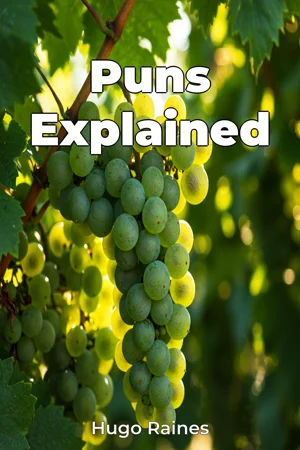
Why do puns evoke reactions ranging from groans to guffaws? "Puns Explained" delves into the multifaceted nature of these linguistic oddities, exploring their cognitive underpinnings, linguistic mechanics, and historical trajectory. This book is vital because puns, often dismissed as lowbrow humor, offer valuable insights into how language shapes thought and how humor functions as a social and psychological tool. This book examines puns through three central lenses: linguistic analysis, cognitive psychology, and humor history. Linguistically, it dissects the mechanisms by which puns exploit ambiguity, phonological similarity, and semantic overlap. It investigates the specific types of linguistic structures that lend themselves to punning, considering the role of homophones, homonyms, and paronyms. Cognitively, the book explores the mental processes involved in both creating and understanding puns. This includes examining how the brain processes ambiguity, resolves semantic incongruity, and experiences the "aha!" moment of comprehension. A historical survey traces the use of puns from ancient rhetoric to modern stand-up comedy, showing how their function and reception have evolved across cultures and eras. The book argues that puns are far more than simple wordplay; they are sophisticated cognitive exercises that reflect and shape our understanding of language and the world. "Puns Explained" unfolds systematically. Initially, it introduces the core linguistic concepts necessary for understanding how puns operate, assuming a general familiarity with grammar but providing clear definitions of key terms. It then transitions into the cognitive aspects, exploring how the brain recognizes and resolves the ambiguities inherent in puns. Here, it draws upon research in cognitive psychology and neurolinguistics to explain the mental processes involved. Following this, the book embarks on a historical journey, tracing the use of puns in literature, oratory, and popular culture, demonstrating their shifting roles and social significance. The concluding chapters synthesize these perspectives, offering a comprehensive framework for understanding puns and exploring their relevance to areas such as advertising, education, and therapy. The arguments presented are supported by a combination of linguistic analysis, experimental studies from cognitive psychology, and historical examples. The linguistic analyses are grounded in established theories of semantics and phonology. The cognitive claims are backed by empirical evidence from studies using reaction time measurements, brain imaging techniques, and behavioral experiments. The historical analysis draws upon primary sources, including literary texts, comedic performances, and rhetorical treatises. Interdisciplinary connections enrich the book's argument. First, the book intersects with rhetoric, exploring how puns have been used as persuasive devices throughout history. Second, it connects to sociology, examining how puns reflect and reinforce social norms and power structures. Third, it aligns with literary theory, analyzing how puns contribute to the meaning and interpretation of texts. A unique aspect of this book is its integration of linguistic, cognitive, and historical perspectives to offer a complete understanding of puns. While individual studies may focus on one aspect or another, "Puns Explained" provides a holistic framework. The tone is accessible and engaging, avoiding technical jargon where possible and explaining complex concepts in a clear and concise manner. The book aims for an educated general audience interested in language, psychology, and humor. It will appeal to linguists, psychologists, educators, writers, comedians, and anyone curious about the workings of the mind and the power of language. As a work in language arts and psychology, the book aims to meet genre conventions of providing evidence-based analysis, clear definitions, and logical argumentation. The scope is broad, encompassing the linguistic, cognitive, and historical dimensions of puns, but it is limited to focusing primarily on verbal puns, excluding visual or other forms of wordplay. The practical applications of understanding puns are numerous. For educators, it can inform strategies for teaching language and fostering creativity. For writers and comedians, it offers insights into crafting effective humor. For therapists, it provides tools for understanding how humor functions as a coping mechanism and a form of communication. While the book provides a comprehensive overview of puns, it acknowledges ongoing debates regarding the nature of humor and the specific cognitive processes involved in understanding puns. These debates are addressed in a balanced and nuanced manner, presenting different perspectives and highlighting areas for future research.
Why do puns evoke reactions ranging from groans to guffaws? "Puns Explained" delves into the multifaceted nature of these linguistic oddities, exploring their cognitive underpinnings, linguistic mechanics, and historical trajectory. This book is vital because puns, often dismissed as lowbrow humor, offer valuable insights into how language shapes thought and how humor functions as a social and psychological tool. This book examines puns through three central lenses: linguistic analysis, cognitive psychology, and humor history. Linguistically, it dissects the mechanisms by which puns exploit ambiguity, phonological similarity, and semantic overlap. It investigates the specific types of linguistic structures that lend themselves to punning, considering the role of homophones, homonyms, and paronyms. Cognitively, the book explores the mental processes involved in both creating and understanding puns. This includes examining how the brain processes ambiguity, resolves semantic incongruity, and experiences the "aha!" moment of comprehension. A historical survey traces the use of puns from ancient rhetoric to modern stand-up comedy, showing how their function and reception have evolved across cultures and eras. The book argues that puns are far more than simple wordplay; they are sophisticated cognitive exercises that reflect and shape our understanding of language and the world. "Puns Explained" unfolds systematically. Initially, it introduces the core linguistic concepts necessary for understanding how puns operate, assuming a general familiarity with grammar but providing clear definitions of key terms. It then transitions into the cognitive aspects, exploring how the brain recognizes and resolves the ambiguities inherent in puns. Here, it draws upon research in cognitive psychology and neurolinguistics to explain the mental processes involved. Following this, the book embarks on a historical journey, tracing the use of puns in literature, oratory, and popular culture, demonstrating their shifting roles and social significance. The concluding chapters synthesize these perspectives, offering a comprehensive framework for understanding puns and exploring their relevance to areas such as advertising, education, and therapy. The arguments presented are supported by a combination of linguistic analysis, experimental studies from cognitive psychology, and historical examples. The linguistic analyses are grounded in established theories of semantics and phonology. The cognitive claims are backed by empirical evidence from studies using reaction time measurements, brain imaging techniques, and behavioral experiments. The historical analysis draws upon primary sources, including literary texts, comedic performances, and rhetorical treatises. Interdisciplinary connections enrich the book's argument. First, the book intersects with rhetoric, exploring how puns have been used as persuasive devices throughout history. Second, it connects to sociology, examining how puns reflect and reinforce social norms and power structures. Third, it aligns with literary theory, analyzing how puns contribute to the meaning and interpretation of texts. A unique aspect of this book is its integration of linguistic, cognitive, and historical perspectives to offer a complete understanding of puns. While individual studies may focus on one aspect or another, "Puns Explained" provides a holistic framework. The tone is accessible and engaging, avoiding technical jargon where possible and explaining complex concepts in a clear and concise manner. The book aims for an educated general audience interested in language, psychology, and humor. It will appeal to linguists, psychologists, educators, writers, comedians, and anyone curious about the workings of the mind and the power of language. As a work in language arts and psychology, the book aims to meet genre conventions of providing evidence-based analysis, clear definitions, and logical argumentation. The scope is broad, encompassing the linguistic, cognitive, and historical dimensions of puns, but it is limited to focusing primarily on verbal puns, excluding visual or other forms of wordplay. The practical applications of understanding puns are numerous. For educators, it can inform strategies for teaching language and fostering creativity. For writers and comedians, it offers insights into crafting effective humor. For therapists, it provides tools for understanding how humor functions as a coping mechanism and a form of communication. While the book provides a comprehensive overview of puns, it acknowledges ongoing debates regarding the nature of humor and the specific cognitive processes involved in understanding puns. These debates are addressed in a balanced and nuanced manner, presenting different perspectives and highlighting areas for future research.
"Puns Explained" offers a deep dive into the world of puns, exploring why these simple forms of humor elicit such varied reactions. By examining puns through linguistic analysis, cognitive psychology, and historical context, the book reveals how they exploit ambiguity and semantic overlap. Did you know that understanding puns involves complex mental processes, including resolving semantic incongruity? Or that puns have been used in rhetoric since ancient times? This exploration moves beyond the surface to show how puns shape our understanding of language and the world. The book systematically progresses, starting with core linguistic concepts and transitioning into cognitive aspects, drawing from research in cognitive psychology. It then embarks on a historical journey, demonstrating the shifting roles and social significance of puns. By integrating these perspectives, "Puns Explained" provides a comprehensive framework for understanding puns and their relevance to fields like education and therapy, offering valuable insights into crafting effective humor and understanding how humor functions as a coping mechanism.
Book Details
ISBN
9788235252982
Publisher
Publifye AS
Your Licenses
You don't own any licenses for this book
Purchase a license below to unlock this book and download the EPUB.
Purchase License
Select a tier to unlock this book
Need bulk licensing?
Contact us for enterprise agreements.