
About This Book
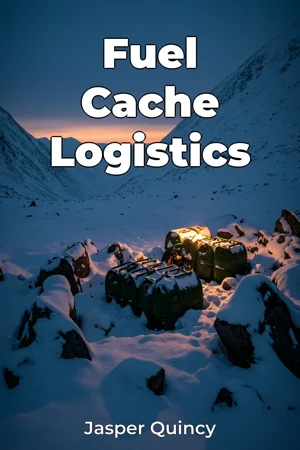
How can remote expeditions guarantee consistent energy access across extended, multi-day operations in isolated environments? *Fuel Cache Logistics* addresses this critical question, providing a comprehensive guide to the strategic management of fuel supplies for remote teams facing demanding survival scenarios. This book delves into the intricacies of storing, tracking, and securing fuel caches, ensuring operational continuity where traditional resupply chains are nonexistent. The core of this book revolves around three key concepts: strategic fuel placement, rigorous inventory management, and proactive security protocols. Strategic fuel placement explores the optimal distribution of caches based on predicted team movements, terrain analysis, and potential contingency scenarios. This section emphasizes minimizing travel distances while maximizing accessibility and redundancy. Rigorous inventory management focuses on implementing systems for accurately tracking fuel consumption, monitoring cache integrity, and forecasting future needs. The final concept, proactive security protocols, details methods for protecting fuel caches from environmental hazards, theft, and accidental damage, incorporating both physical barriers and remote monitoring technologies. These elements are important because failure in any one area can compromise an entire expedition, jeopardizing mission success and team safety. Understanding the historical context of expeditionary logistics is vital. Early expeditions, relying on rudimentary methods, frequently suffered from fuel shortages that led to mission failure or even fatalities. The book examines these historical precedents, highlighting the lessons learned and the evolution of fuel management techniques. Readers should possess a basic understanding of map reading, GPS navigation, and risk assessment principles to fully grasp the concepts discussed. *Fuel Cache Logistics* argues that a proactive, data-driven approach to fuel management is essential for the success and safety of remote expeditions. This argument is significant because it challenges traditional, often reactive, strategies that rely on ad-hoc resupply and guesswork. The book advocates for a shift towards a more scientific and sustainable approach, minimizing environmental impact and maximizing resource utilization. The book is structured into three primary sections. The first section introduces foundational concepts, including fuel types, storage container selection, and environmental impact considerations. It establishes a baseline understanding of fuel properties and best practices for handling hazardous materials. The second section develops these ideas, detailing advanced techniques for cache site selection, inventory management software implementation, and remote monitoring system integration. This section includes case studies illustrating both successful and failed cache management strategies. The third section culminates in a detailed guide to implementing proactive security protocols, covering topics such as camouflage techniques, theft deterrents, and emergency fuel rationing procedures. It also addresses the ethical considerations of fuel usage in pristine environments. The book concludes with practical checklists, templates, and software recommendations for immediate application in real-world scenarios. The arguments presented are supported by a range of evidence, including field test data, simulations, and expert interviews. Unique data sources, such as historical expedition logs and reports from remote sensing platforms, provide valuable insights into the challenges and successes of fuel cache management in diverse environments. The methodology emphasizes a combination of theoretical modeling and practical experimentation. *Fuel Cache Logistics* connects to several other fields of study. Environmental science informs the selection of sustainable fuel sources and the mitigation of environmental impacts. Supply chain management principles are applied to optimize fuel distribution and minimize waste. Security studies contribute to the development of effective protection protocols for fuel caches. These interdisciplinary connections strengthen the book's argument by providing a holistic perspective on fuel management. This book offers a novel approach by integrating advanced technological solutions with traditional expeditionary knowledge. It emphasizes the use of data analytics and remote sensing technologies to improve decision-making and enhance operational efficiency. The tone is professional and informative, designed to appeal to a technically savvy audience. The target audience includes expedition leaders, logistics managers, researchers, and anyone involved in planning or executing remote operations. This book is valuable to them because it provides a comprehensive, practical guide to a critical aspect of expedition management that is often overlooked. As a book in the management and adventure genres, *Fuel Cache Logistics* offers a blend of practical advice and real-world examples. It adheres to the conventions of non-fiction by providing clear, concise explanations, supporting arguments with evidence, and offering actionable recommendations. The scope of the book is limited to the management of fuel caches for remote expeditions. It does not cover the broader aspects of expedition planning or survival skills. The book intentionally focuses on liquid fuels, with a limited discussion of alternative energy sources. The information in this book can be applied practically by readers to improve the efficiency, safety, and sustainability of their own expeditions. The checklists, templates, and software recommendations provide a starting point for implementing a proactive fuel management strategy. While there is general agreement on the importance of fuel management, there are ongoing debates about the optimal balance between fuel efficiency and operational flexibility. The book addresses these debates by presenting a range of perspectives and offering a framework for making informed decisions based on specific mission requirements. *Fuel Cache Logistics* provides a robust, evidence-based approach to a crucial aspect of remote operations.
How can remote expeditions guarantee consistent energy access across extended, multi-day operations in isolated environments? *Fuel Cache Logistics* addresses this critical question, providing a comprehensive guide to the strategic management of fuel supplies for remote teams facing demanding survival scenarios. This book delves into the intricacies of storing, tracking, and securing fuel caches, ensuring operational continuity where traditional resupply chains are nonexistent. The core of this book revolves around three key concepts: strategic fuel placement, rigorous inventory management, and proactive security protocols. Strategic fuel placement explores the optimal distribution of caches based on predicted team movements, terrain analysis, and potential contingency scenarios. This section emphasizes minimizing travel distances while maximizing accessibility and redundancy. Rigorous inventory management focuses on implementing systems for accurately tracking fuel consumption, monitoring cache integrity, and forecasting future needs. The final concept, proactive security protocols, details methods for protecting fuel caches from environmental hazards, theft, and accidental damage, incorporating both physical barriers and remote monitoring technologies. These elements are important because failure in any one area can compromise an entire expedition, jeopardizing mission success and team safety. Understanding the historical context of expeditionary logistics is vital. Early expeditions, relying on rudimentary methods, frequently suffered from fuel shortages that led to mission failure or even fatalities. The book examines these historical precedents, highlighting the lessons learned and the evolution of fuel management techniques. Readers should possess a basic understanding of map reading, GPS navigation, and risk assessment principles to fully grasp the concepts discussed. *Fuel Cache Logistics* argues that a proactive, data-driven approach to fuel management is essential for the success and safety of remote expeditions. This argument is significant because it challenges traditional, often reactive, strategies that rely on ad-hoc resupply and guesswork. The book advocates for a shift towards a more scientific and sustainable approach, minimizing environmental impact and maximizing resource utilization. The book is structured into three primary sections. The first section introduces foundational concepts, including fuel types, storage container selection, and environmental impact considerations. It establishes a baseline understanding of fuel properties and best practices for handling hazardous materials. The second section develops these ideas, detailing advanced techniques for cache site selection, inventory management software implementation, and remote monitoring system integration. This section includes case studies illustrating both successful and failed cache management strategies. The third section culminates in a detailed guide to implementing proactive security protocols, covering topics such as camouflage techniques, theft deterrents, and emergency fuel rationing procedures. It also addresses the ethical considerations of fuel usage in pristine environments. The book concludes with practical checklists, templates, and software recommendations for immediate application in real-world scenarios. The arguments presented are supported by a range of evidence, including field test data, simulations, and expert interviews. Unique data sources, such as historical expedition logs and reports from remote sensing platforms, provide valuable insights into the challenges and successes of fuel cache management in diverse environments. The methodology emphasizes a combination of theoretical modeling and practical experimentation. *Fuel Cache Logistics* connects to several other fields of study. Environmental science informs the selection of sustainable fuel sources and the mitigation of environmental impacts. Supply chain management principles are applied to optimize fuel distribution and minimize waste. Security studies contribute to the development of effective protection protocols for fuel caches. These interdisciplinary connections strengthen the book's argument by providing a holistic perspective on fuel management. This book offers a novel approach by integrating advanced technological solutions with traditional expeditionary knowledge. It emphasizes the use of data analytics and remote sensing technologies to improve decision-making and enhance operational efficiency. The tone is professional and informative, designed to appeal to a technically savvy audience. The target audience includes expedition leaders, logistics managers, researchers, and anyone involved in planning or executing remote operations. This book is valuable to them because it provides a comprehensive, practical guide to a critical aspect of expedition management that is often overlooked. As a book in the management and adventure genres, *Fuel Cache Logistics* offers a blend of practical advice and real-world examples. It adheres to the conventions of non-fiction by providing clear, concise explanations, supporting arguments with evidence, and offering actionable recommendations. The scope of the book is limited to the management of fuel caches for remote expeditions. It does not cover the broader aspects of expedition planning or survival skills. The book intentionally focuses on liquid fuels, with a limited discussion of alternative energy sources. The information in this book can be applied practically by readers to improve the efficiency, safety, and sustainability of their own expeditions. The checklists, templates, and software recommendations provide a starting point for implementing a proactive fuel management strategy. While there is general agreement on the importance of fuel management, there are ongoing debates about the optimal balance between fuel efficiency and operational flexibility. The book addresses these debates by presenting a range of perspectives and offering a framework for making informed decisions based on specific mission requirements. *Fuel Cache Logistics* provides a robust, evidence-based approach to a crucial aspect of remote operations.
*Fuel Cache Logistics* tackles the critical topic of managing fuel supplies for remote expeditions, ensuring teams have consistent energy access in isolated environments. It emphasizes strategic fuel placement, rigorous inventory management, and proactive security protocols as vital components for success. Early expeditions often faced mission failure or fatalities due to fuel shortages, highlighting the importance of effective fuel management. The book details advanced techniques for cache site selection, inventory management software, and remote monitoring, using case studies to illustrate both successes and failures. It argues for a proactive, data-driven approach to fuel management, contrasting this with traditional, reactive strategies. Readers will find practical checklists, templates, and software recommendations for immediate application. Structured in three sections, the book begins with foundational concepts like fuel types and environmental impact, progresses to advanced techniques, and culminates in security protocols and ethical considerations. By integrating advanced technological solutions with expeditionary knowledge, *Fuel Cache Logistics* offers a novel approach to fuel management, crucial for expedition leaders, logistics managers, and researchers.
Book Details
ISBN
9788235252647
Publisher
Publifye AS
Your Licenses
You don't own any licenses for this book
Purchase a license below to unlock this book and download the EPUB.
Purchase License
Select a tier to unlock this book
Need bulk licensing?
Contact us for enterprise agreements.