
About This Book
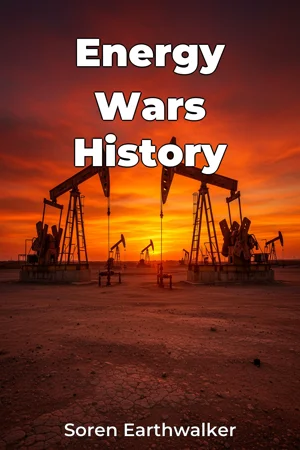
Can the pursuit of energy security inevitably lead to global conflict? "Energy Wars History" examines the intricate and often volatile relationship between energy resources – oil, gas, and the burgeoning field of renewable energy – and international relations, chronicling how competition for these vital commodities has shaped, and continues to shape, global power dynamics and triggered conflicts throughout history. This book is essential reading for anyone seeking to understand the geopolitical landscape of the 21st century, where access to reliable and affordable energy remains a cornerstone of national security and economic prosperity. This book delves into three fundamental areas: the historical evolution of energy as a strategic asset, the specific conflicts directly or indirectly fueled by energy competition, and the emerging challenges and opportunities presented by the global transition to renewable energy sources. These topics are crucial because they illuminate how energy has transitioned from a simple commodity to a powerful geopolitical tool, influencing alliances, triggering wars, and shaping international policy. To fully appreciate the complexities of energy-driven conflicts, "Energy Wars History" provides a necessary historical, economic, and political context. It traces the development of the oil and gas industries, examines the rise of OPEC and other energy cartels, and analyzes the impact of technological advancements in energy extraction and distribution. Readers should have a general understanding of basic economic principles, such as supply and demand, and a familiarity with 20th-century geopolitical history to fully grasp the arguments presented. The central argument of this book is that competition for energy resources is a persistent and evolving driver of international conflict, and that the transition to renewable energy, while offering a path towards sustainability, also presents new avenues for geopolitical tension. Understanding this dynamic is crucial for policymakers, business leaders, and informed citizens alike, as it allows for a more nuanced and proactive approach to managing energy-related risks and opportunities. The book unfolds in three parts. First, it establishes the historical context, chronicling the rise of fossil fuels and their impact on global politics, examining key events like the World Wars, the Suez Crisis, and the oil shocks of the 1970s, analyzing how access to oil and gas became a major source of power and influence. Second, it focuses on specific case studies of energy wars, analyzing conflicts in the Middle East, Africa, and other regions, detailing the role of energy resources in triggering, prolonging, or exacerbating these conflicts. Third, the book addresses the future of energy and conflict, exploring the geopolitical implications of the transition to renewable energy, and analyzing the potential for new conflicts over resources like lithium, cobalt, and rare earth minerals, as well as the control of renewable energy technologies. The book draws on a wide range of evidence, including archival documents, government reports, industry data, and academic studies. It incorporates unique primary source materials such as declassified intelligence reports and internal documents from energy companies, providing fresh insights into the motivations and strategies of key actors. "Energy Wars History" is not confined to a single discipline. It integrates insights from political science, economics, history, and environmental studies, offering a holistic perspective on the complex interplay between energy, conflict, and geopolitics. It connects to broader themes of resource scarcity, climate change, and international security, enhancing the understanding of these interconnected challenges. This book takes a novel approach by examining the entire energy spectrum, from fossil fuels to renewables, within a unified framework of conflict analysis. It moves beyond simplistic notions of resource wars and explores the subtle ways in which energy competition shapes political alliances, economic strategies, and military interventions. The book adopts a fact-based and analytical tone, presenting information in a clear and accessible manner while maintaining scholarly rigor. It avoids sensationalism and focuses on providing a balanced and nuanced account of the complex issues at stake. "Energy Wars History" is aimed at a broad audience, including students, researchers, policymakers, business professionals, and anyone interested in understanding the geopolitical dimensions of energy. It offers valuable insights for those seeking to navigate the challenges and opportunities of the global energy transition. As a work of political and world history, it adheres to the genre's conventions of rigorous research, objective analysis, and contextualized narrative. While the book covers a wide range of historical and contemporary issues, it primarily focuses on the post-industrial revolution era and excludes conflicts mainly driven by other resources. Readers can apply the insights from "Energy Wars History" to better understand current events, assess geopolitical risks, and make informed decisions about energy policy and investment. It provides a framework for analyzing the potential for future conflicts and developing strategies for mitigating those risks by diversifying energy sources, promoting international cooperation, and fostering sustainable development. The book directly addresses ongoing debates about the role of energy in international relations, including discussions about peak oil, energy independence, and the geopolitics of renewable energy. By providing a historical perspective and a comprehensive framework for analysis, "Energy Wars History" contributes to a more informed and nuanced understanding of these complex issues.
Can the pursuit of energy security inevitably lead to global conflict? "Energy Wars History" examines the intricate and often volatile relationship between energy resources – oil, gas, and the burgeoning field of renewable energy – and international relations, chronicling how competition for these vital commodities has shaped, and continues to shape, global power dynamics and triggered conflicts throughout history. This book is essential reading for anyone seeking to understand the geopolitical landscape of the 21st century, where access to reliable and affordable energy remains a cornerstone of national security and economic prosperity. This book delves into three fundamental areas: the historical evolution of energy as a strategic asset, the specific conflicts directly or indirectly fueled by energy competition, and the emerging challenges and opportunities presented by the global transition to renewable energy sources. These topics are crucial because they illuminate how energy has transitioned from a simple commodity to a powerful geopolitical tool, influencing alliances, triggering wars, and shaping international policy. To fully appreciate the complexities of energy-driven conflicts, "Energy Wars History" provides a necessary historical, economic, and political context. It traces the development of the oil and gas industries, examines the rise of OPEC and other energy cartels, and analyzes the impact of technological advancements in energy extraction and distribution. Readers should have a general understanding of basic economic principles, such as supply and demand, and a familiarity with 20th-century geopolitical history to fully grasp the arguments presented. The central argument of this book is that competition for energy resources is a persistent and evolving driver of international conflict, and that the transition to renewable energy, while offering a path towards sustainability, also presents new avenues for geopolitical tension. Understanding this dynamic is crucial for policymakers, business leaders, and informed citizens alike, as it allows for a more nuanced and proactive approach to managing energy-related risks and opportunities. The book unfolds in three parts. First, it establishes the historical context, chronicling the rise of fossil fuels and their impact on global politics, examining key events like the World Wars, the Suez Crisis, and the oil shocks of the 1970s, analyzing how access to oil and gas became a major source of power and influence. Second, it focuses on specific case studies of energy wars, analyzing conflicts in the Middle East, Africa, and other regions, detailing the role of energy resources in triggering, prolonging, or exacerbating these conflicts. Third, the book addresses the future of energy and conflict, exploring the geopolitical implications of the transition to renewable energy, and analyzing the potential for new conflicts over resources like lithium, cobalt, and rare earth minerals, as well as the control of renewable energy technologies. The book draws on a wide range of evidence, including archival documents, government reports, industry data, and academic studies. It incorporates unique primary source materials such as declassified intelligence reports and internal documents from energy companies, providing fresh insights into the motivations and strategies of key actors. "Energy Wars History" is not confined to a single discipline. It integrates insights from political science, economics, history, and environmental studies, offering a holistic perspective on the complex interplay between energy, conflict, and geopolitics. It connects to broader themes of resource scarcity, climate change, and international security, enhancing the understanding of these interconnected challenges. This book takes a novel approach by examining the entire energy spectrum, from fossil fuels to renewables, within a unified framework of conflict analysis. It moves beyond simplistic notions of resource wars and explores the subtle ways in which energy competition shapes political alliances, economic strategies, and military interventions. The book adopts a fact-based and analytical tone, presenting information in a clear and accessible manner while maintaining scholarly rigor. It avoids sensationalism and focuses on providing a balanced and nuanced account of the complex issues at stake. "Energy Wars History" is aimed at a broad audience, including students, researchers, policymakers, business professionals, and anyone interested in understanding the geopolitical dimensions of energy. It offers valuable insights for those seeking to navigate the challenges and opportunities of the global energy transition. As a work of political and world history, it adheres to the genre's conventions of rigorous research, objective analysis, and contextualized narrative. While the book covers a wide range of historical and contemporary issues, it primarily focuses on the post-industrial revolution era and excludes conflicts mainly driven by other resources. Readers can apply the insights from "Energy Wars History" to better understand current events, assess geopolitical risks, and make informed decisions about energy policy and investment. It provides a framework for analyzing the potential for future conflicts and developing strategies for mitigating those risks by diversifying energy sources, promoting international cooperation, and fostering sustainable development. The book directly addresses ongoing debates about the role of energy in international relations, including discussions about peak oil, energy independence, and the geopolitics of renewable energy. By providing a historical perspective and a comprehensive framework for analysis, "Energy Wars History" contributes to a more informed and nuanced understanding of these complex issues.
"Energy Wars History" explores the contentious relationship between energy resources and international relations, revealing how the pursuit of energy security has historically led to global conflicts. The book examines the evolution of energy as a strategic asset, highlighting how competition for oil, gas, and even renewable energy sources has shaped geopolitical power dynamics. Intriguingly, the rise of OPEC and technological advancements in energy extraction have significantly influenced global alliances and triggered numerous wars. The book adopts a comprehensive approach, tracing the rise of fossil fuels and their impact on world politics. It analyzes specific cases of energy wars in regions like the Middle East and Africa, detailing how energy resources exacerbate conflicts. Furthermore, it addresses the future of energy and conflict, exploring the geopolitical implications of the transition to renewable energy, and the potential for new conflicts over resources necessary for renewable technologies. Unfolding across three distinct parts, the book provides a necessary historical, economic, and political context, integrating insights from political science, economics, history, and environmental studies. The book's unique value lies in its examination of the entire energy spectrum within a unified framework of conflict analysis, offering a nuanced perspective on how energy competition shapes political strategies and military interventions.
Book Details
ISBN
9788235252517
Publisher
Publifye AS
Your Licenses
You don't own any licenses for this book
Purchase a license below to unlock this book and download the EPUB.
Purchase License
Select a tier to unlock this book
Need bulk licensing?
Contact us for enterprise agreements.