
About This Book
Have you ever wondered why a particular scent can instantly transport you back to a vivid memory, stirring emotions you thought were long forgotten? "Scents and Memory" delves into the fascinating and intricate relationship between our sense of smell, our emotions, and the profound power of scent to unlock buried memories. This book explores how odors, unlike other sensory inputs, have a direct line to the brain's emotional center, the amygdala, and the hippocampus, which is crucial for memory formation. This book's central argument is that olfaction plays a far more significant role in our emotional and autobiographical memory than previously understood. It challenges the conventional view that prioritizes visual and auditory experiences in shaping our recollections, demonstrating how scents uniquely encode and trigger our most poignant personal histories. Understanding this connection is crucial because it sheds light on the fundamental mechanisms of memory, emotion, and even potentially informs therapeutic approaches for conditions like PTSD and Alzheimer's disease. "Scents and Memory" begins by providing a foundational understanding of the olfactory system, explaining the biological pathway from odor molecules to the brain's processing centers. It details the neuroanatomy involved, clarifying how olfactory information bypasses the thalamus, a sensory relay station for all other senses, and directly impacts the limbic system. We then explore the psychological mechanisms through which smells become associated with specific events and emotions, looking at the processes of encoding, consolidation, and retrieval of olfactory memories. The book is structured around three main themes. First, we examine the neuroscience of scent-triggered memory, presenting research on how specific neural pathways are activated by olfactory cues and how these pathways differ from those activated by other sensory inputs. Second, we delve into the psychology of olfactory memory, exploring how context, emotion, and personal experience shape our scent-related recollections. This section includes studies on the vividness, emotional intensity, and accuracy of olfactory memories compared to other types of memories. Third, we investigate the clinical and practical applications of understanding the scent-memory connection, from utilizing scent to evoke positive memories in therapeutic settings to exploring its potential in marketing and product design. The book culminates by discussing ongoing research and future directions in the field, highlighting the remaining questions and the exciting possibilities for further exploration. The evidence presented throughout the book draws from a variety of sources, including neuroimaging studies (fMRI, EEG), behavioral experiments, and clinical case studies. We present data illustrating how specific brain regions light up when individuals are exposed to familiar scents and how this activation correlates with the retrieval of associated memories. The methodologies include both quantitative analyses of brain activity and qualitative analyses of personal narratives and subjective experiences. "Scents and Memory" connects to several interdisciplinary fields. It draws from neuroscience to explain the biological mechanisms of olfaction and memory, from psychology to understand the cognitive and emotional processes involved in olfactory memory formation, and from medicine to explore the potential of olfactory-based therapies for neurological and psychological disorders. The book's unique approach lies in its comprehensive exploration of the olfactory-memory connection, integrating findings from diverse scientific disciplines to provide a holistic understanding. It sets itself apart by emphasizing the emotional potency and unique characteristics of scent-triggered recollections, challenging the dominance of visual and auditory perspectives in memory research. Written in an accessible yet scientifically rigorous style, "Scents and Memory" is intended for a broad audience, including students and researchers in psychology, neuroscience, and biology, as well as anyone with a general interest in the workings of the human brain and the power of memory. While the book provides a comprehensive overview of the current state of research on scents and memory, it intentionally focuses on human olfaction and memory, acknowledging the important but distinct research on animal olfaction. There are ongoing debates about the accuracy and reliability of olfactory memories compared to other sensory memories, and the book addresses these controversies by presenting different perspectives and evaluating the available evidence. The information in this book has real-world applications. For instance, an improved understanding of these mechanisms could lead to more effective treatments for memory disorders or the development of marketing strategies that use scent to enhance brand recall.
Have you ever wondered why a particular scent can instantly transport you back to a vivid memory, stirring emotions you thought were long forgotten? "Scents and Memory" delves into the fascinating and intricate relationship between our sense of smell, our emotions, and the profound power of scent to unlock buried memories. This book explores how odors, unlike other sensory inputs, have a direct line to the brain's emotional center, the amygdala, and the hippocampus, which is crucial for memory formation. This book's central argument is that olfaction plays a far more significant role in our emotional and autobiographical memory than previously understood. It challenges the conventional view that prioritizes visual and auditory experiences in shaping our recollections, demonstrating how scents uniquely encode and trigger our most poignant personal histories. Understanding this connection is crucial because it sheds light on the fundamental mechanisms of memory, emotion, and even potentially informs therapeutic approaches for conditions like PTSD and Alzheimer's disease. "Scents and Memory" begins by providing a foundational understanding of the olfactory system, explaining the biological pathway from odor molecules to the brain's processing centers. It details the neuroanatomy involved, clarifying how olfactory information bypasses the thalamus, a sensory relay station for all other senses, and directly impacts the limbic system. We then explore the psychological mechanisms through which smells become associated with specific events and emotions, looking at the processes of encoding, consolidation, and retrieval of olfactory memories. The book is structured around three main themes. First, we examine the neuroscience of scent-triggered memory, presenting research on how specific neural pathways are activated by olfactory cues and how these pathways differ from those activated by other sensory inputs. Second, we delve into the psychology of olfactory memory, exploring how context, emotion, and personal experience shape our scent-related recollections. This section includes studies on the vividness, emotional intensity, and accuracy of olfactory memories compared to other types of memories. Third, we investigate the clinical and practical applications of understanding the scent-memory connection, from utilizing scent to evoke positive memories in therapeutic settings to exploring its potential in marketing and product design. The book culminates by discussing ongoing research and future directions in the field, highlighting the remaining questions and the exciting possibilities for further exploration. The evidence presented throughout the book draws from a variety of sources, including neuroimaging studies (fMRI, EEG), behavioral experiments, and clinical case studies. We present data illustrating how specific brain regions light up when individuals are exposed to familiar scents and how this activation correlates with the retrieval of associated memories. The methodologies include both quantitative analyses of brain activity and qualitative analyses of personal narratives and subjective experiences. "Scents and Memory" connects to several interdisciplinary fields. It draws from neuroscience to explain the biological mechanisms of olfaction and memory, from psychology to understand the cognitive and emotional processes involved in olfactory memory formation, and from medicine to explore the potential of olfactory-based therapies for neurological and psychological disorders. The book's unique approach lies in its comprehensive exploration of the olfactory-memory connection, integrating findings from diverse scientific disciplines to provide a holistic understanding. It sets itself apart by emphasizing the emotional potency and unique characteristics of scent-triggered recollections, challenging the dominance of visual and auditory perspectives in memory research. Written in an accessible yet scientifically rigorous style, "Scents and Memory" is intended for a broad audience, including students and researchers in psychology, neuroscience, and biology, as well as anyone with a general interest in the workings of the human brain and the power of memory. While the book provides a comprehensive overview of the current state of research on scents and memory, it intentionally focuses on human olfaction and memory, acknowledging the important but distinct research on animal olfaction. There are ongoing debates about the accuracy and reliability of olfactory memories compared to other sensory memories, and the book addresses these controversies by presenting different perspectives and evaluating the available evidence. The information in this book has real-world applications. For instance, an improved understanding of these mechanisms could lead to more effective treatments for memory disorders or the development of marketing strategies that use scent to enhance brand recall.
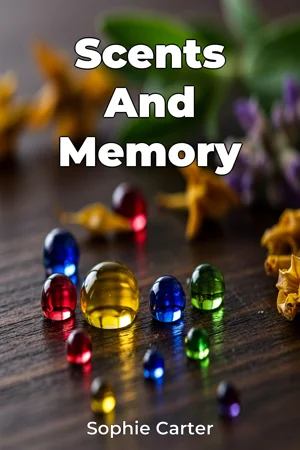
Scents And Memory explores the profound link between our sense of smell and memory, revealing how scents uniquely trigger vivid recollections and emotions. Unlike other senses, olfactory information bypasses the typical sensory relay and directly impacts the brain's limbic system, particularly the amygdala and hippocampus, the centers for emotion and memory. This direct connection explains why a particular fragrance can instantly transport us back to specific moments in our lives. The book begins by detailing the biology of the olfactory system, explaining how scent molecules travel to the brain. It then delves into the psychology of scent-triggered memory, examining how context and emotion shape our recollections. Scents And Memory highlights the emotional intensity and unique characteristics of scent-related memories, challenging the traditional focus on visual and auditory recall. Through neuroimaging studies, behavioral experiments, and case studies, the book reveals how specific brain regions activate upon encountering familiar scents, correlating with memory retrieval. The book progresses through three main themes: the neuroscience of scent-triggered memory, the psychology of olfactory memory, and the clinical applications of this knowledge. This approach integrates findings from neuroscience, psychology, and medicine, from understanding the neural pathways involved in scent recall to exploring potential therapies for conditions like PTSD. This interdisciplinary approach makes the book valuable for anyone interested in the brain, memory, and the powerful influence of our sense of smell.
Book Details
ISBN
9788235252067
Publisher
Publifye AS
Your Licenses
You don't own any licenses for this book
Purchase a license below to unlock this book and download the EPUB.
Purchase License
Select a tier to unlock this book
Need bulk licensing?
Contact us for enterprise agreements.