
About This Book
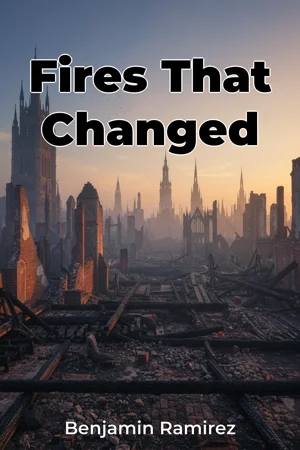
What if the greatest advancements in human civilization were forged not in times of peace and prosperity, but in the devastating aftermath of catastrophic fires? *Fires That Changed* examines how major conflagrations throughout history, from the Great Fire of London in 1666 to the wildfires devastating modern landscapes, have acted as catalysts for urban planning, architectural innovation, and the evolution of legal frameworks. This book delves into three interconnected realms: the transformation of urban landscapes following major fires, the evolution of fire-resistant building materials and construction techniques, and the development of fire safety legislation and disaster management protocols. These themes are vital because they reveal how societies learn, adapt, and rebuild in the face of immense destruction, ultimately shaping the cities and communities we inhabit today. To understand the profound impact of fire, it's crucial to consider the historical context of urbanization, industrialization, and technological advancement. Cities throughout history were often densely populated and constructed with highly flammable materials, making them particularly vulnerable to widespread fire. This book argues that these major fires, despite their tragic consequences, created opportunities for radical urban renewal, spurred innovation in building technology, and prompted the creation of comprehensive fire safety regulations. The central thesis is that fire, throughout history, has acted as a destructive but necessary agent of change, forcing societies to confront vulnerabilities and prioritize the safety and resilience of their built environments. *Fires That Changed* begins by examining the conditions that led to several significant fires throughout history. It then explores how these disasters prompted changes in urban planning, architecture, and legislation. Key sections include: * **Urban Renewal and Redesign:** Analyzing how major fires led to the rebuilding of cities with wider streets, improved infrastructure, and more organized layouts. The book will compare examples such as London after 1666. * **Architectural Innovation and Material Science:** Exploring the development and adoption of fire-resistant materials like brick, stone, concrete, and later, steel, in response to the devastating effects of fire on traditional wooden structures. * **Legislation and Emergency Response:** Tracing the evolution of fire safety codes, building regulations, and the establishment of organized fire departments and emergency response systems. The book draws upon a variety of sources, including historical documents, architectural plans, municipal records, eyewitness accounts, and scientific studies of fire behavior and material properties. It also incorporates case studies of specific fires and their aftermath. The study of fire's impact transcends disciplinary boundaries, connecting to fields such as urban planning, environmental science, and public policy. The book also has clear connections to sociology, shedding light on how communities react, rebuild, and remember after devastating events. Understanding the history of fire is relevant to present-day challenges like climate change, growing urbanization, and the increasing risk of wildfires. What sets *Fires That Changed* apart is its focus on the long-term, transformative effects of fire, rather than just the immediate destruction. It offers a chronological and comprehensive view, demonstrating the cyclical nature of destruction and innovation. Written in a clear and accessible style, the book is intended for a broad audience, including students of architecture, history enthusiasts, urban planners, policymakers, and anyone interested in the forces that have shaped modern society. It appeals to readers who are curious about the hidden history of cities and the unexpected ways in which disasters can drive progress. As a work of architectural history, this book adheres to the conventions of scholarly research, presenting well-documented evidence and engaging with existing literature on urban development and fire safety. The book’s scope is global, examining fires from different continents and time periods. While it touches upon the social and economic consequences of fire, its primary focus remains on the built environment and the regulatory frameworks that govern it. The information discussed has practical application for contemporary issues, such as designing fire-resistant buildings, developing effective emergency response plans, and mitigating the risk of wildfires in urban and rural areas. While the book acknowledges advancements in fire safety, it also addresses ongoing debates about the effectiveness of current regulations and the challenges of adapting to new fire risks, such as those posed by modern building materials and climate change.
What if the greatest advancements in human civilization were forged not in times of peace and prosperity, but in the devastating aftermath of catastrophic fires? *Fires That Changed* examines how major conflagrations throughout history, from the Great Fire of London in 1666 to the wildfires devastating modern landscapes, have acted as catalysts for urban planning, architectural innovation, and the evolution of legal frameworks. This book delves into three interconnected realms: the transformation of urban landscapes following major fires, the evolution of fire-resistant building materials and construction techniques, and the development of fire safety legislation and disaster management protocols. These themes are vital because they reveal how societies learn, adapt, and rebuild in the face of immense destruction, ultimately shaping the cities and communities we inhabit today. To understand the profound impact of fire, it's crucial to consider the historical context of urbanization, industrialization, and technological advancement. Cities throughout history were often densely populated and constructed with highly flammable materials, making them particularly vulnerable to widespread fire. This book argues that these major fires, despite their tragic consequences, created opportunities for radical urban renewal, spurred innovation in building technology, and prompted the creation of comprehensive fire safety regulations. The central thesis is that fire, throughout history, has acted as a destructive but necessary agent of change, forcing societies to confront vulnerabilities and prioritize the safety and resilience of their built environments. *Fires That Changed* begins by examining the conditions that led to several significant fires throughout history. It then explores how these disasters prompted changes in urban planning, architecture, and legislation. Key sections include: * **Urban Renewal and Redesign:** Analyzing how major fires led to the rebuilding of cities with wider streets, improved infrastructure, and more organized layouts. The book will compare examples such as London after 1666. * **Architectural Innovation and Material Science:** Exploring the development and adoption of fire-resistant materials like brick, stone, concrete, and later, steel, in response to the devastating effects of fire on traditional wooden structures. * **Legislation and Emergency Response:** Tracing the evolution of fire safety codes, building regulations, and the establishment of organized fire departments and emergency response systems. The book draws upon a variety of sources, including historical documents, architectural plans, municipal records, eyewitness accounts, and scientific studies of fire behavior and material properties. It also incorporates case studies of specific fires and their aftermath. The study of fire's impact transcends disciplinary boundaries, connecting to fields such as urban planning, environmental science, and public policy. The book also has clear connections to sociology, shedding light on how communities react, rebuild, and remember after devastating events. Understanding the history of fire is relevant to present-day challenges like climate change, growing urbanization, and the increasing risk of wildfires. What sets *Fires That Changed* apart is its focus on the long-term, transformative effects of fire, rather than just the immediate destruction. It offers a chronological and comprehensive view, demonstrating the cyclical nature of destruction and innovation. Written in a clear and accessible style, the book is intended for a broad audience, including students of architecture, history enthusiasts, urban planners, policymakers, and anyone interested in the forces that have shaped modern society. It appeals to readers who are curious about the hidden history of cities and the unexpected ways in which disasters can drive progress. As a work of architectural history, this book adheres to the conventions of scholarly research, presenting well-documented evidence and engaging with existing literature on urban development and fire safety. The book’s scope is global, examining fires from different continents and time periods. While it touches upon the social and economic consequences of fire, its primary focus remains on the built environment and the regulatory frameworks that govern it. The information discussed has practical application for contemporary issues, such as designing fire-resistant buildings, developing effective emergency response plans, and mitigating the risk of wildfires in urban and rural areas. While the book acknowledges advancements in fire safety, it also addresses ongoing debates about the effectiveness of current regulations and the challenges of adapting to new fire risks, such as those posed by modern building materials and climate change.
"Fires That Changed" explores how devastating fires throughout history have paradoxically spurred significant advancements in urban planning, architectural innovation, and fire safety. Examining events from the Great Fire of London to modern wildfires, the book reveals how societies learn and adapt after immense destruction. For example, the widespread use of highly flammable materials in historical cities often led to catastrophic fires, but these disasters also created opportunities for radical urban renewal and the creation of fire-resistant building materials. The book approaches this topic by delving into the transformation of urban landscapes, the evolution of building materials, and the development of fire safety legislation. It begins by examining the conditions that led to significant fires, then explores how these disasters prompted changes in urban planning, architecture, and legislation. Key sections analyze urban renewal and redesign, architectural innovation and material science, and legislation and emergency response. This approach highlights how fires have acted as catalysts for architectural history and disaster management protocols, ultimately shaping more resilient urban landscapes.
Book Details
ISBN
9788235251923
Publisher
Publifye AS
Your Licenses
You don't own any licenses for this book
Purchase a license below to unlock this book and download the EPUB.
Purchase License
Select a tier to unlock this book
Need bulk licensing?
Contact us for enterprise agreements.