
About This Book
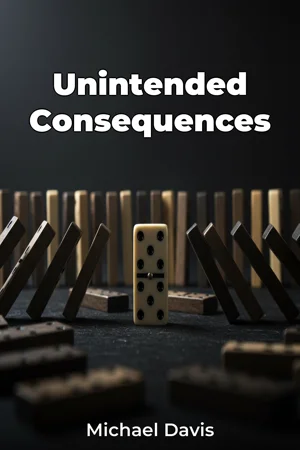
Have you ever considered that some of history’s most well-intentioned efforts resulted in utter chaos? "Unintended Consequences" delves into the fascinating and often hilarious world where laws, policies, and inventions designed to improve society backfired spectacularly, leading to outcomes that were the exact opposite of what their creators envisioned. We will examine the core concepts of policy implementation, technological advancement, and legal frameworks, emphasizing their unpredictable nature when confronted with real-world complexities. Understanding these pitfalls is crucial for policymakers, innovators, and anyone interested in the dynamics of societal change because it highlights the importance of foresight and adaptability in planning for the future. This book explores how seemingly rational decisions can trigger unforeseen chain reactions. We will analyze the historical, social, and political factors that contribute to unintended consequences, providing a foundation for understanding why even the most carefully crafted plans can go awry. No prior expertise in history or political science is required; rather, we will present these topics in a manner accessible to a general audience. The central argument of "Unintended Consequences" is that a failure to anticipate the full spectrum of potential outcomes can lead to detrimental results, irrespective of the initial intent. This argument carries weight because it presents a cautionary tale about the limits of human foresight and the necessity of iterative evaluation in policymaking and innovation. The book's structure is as follows: a) We begin by introducing the fundamental concepts of unintended consequences, exploring various theories and models that attempt to explain why and how they occur. b) We then examine several major case studies, including the Prohibition era in the United States, which aimed to reduce crime and corruption but inadvertently led to the rise of organized crime, and the introduction of the cane toad in Australia, intended as a pest control measure but became a major ecological problem itself. Further, we will analyze specific policy decisions and technological inventions, dissecting the factors that contributed to their unexpected outcomes. c) Subsequently, the book argues that incorporating feedback mechanisms, risk assessment, and interdisciplinary collaboration into the planning process can mitigate the risk of adverse outcomes. d) Finally, we discuss practical applications of these insights, offering guidance on how to anticipate and manage unintended consequences in various contexts. The evidence supporting our ideas comes from historical records, policy analyses, scientific studies, and statistical data. We will draw upon primary source documents, academic research, and investigative journalism to present a comprehensive and well-substantiated account of each case study. "Unintended Consequences" connects to several other areas of study, including economics, sociology, and environmental science. These interdisciplinary connections enrich the book's analysis and demonstrate the broad relevance of unintended consequences across different fields. This book stands out due to its balanced blend of historical analysis, policy critique, and actionable insights. It adopts a narrative non-fiction style, presenting complex information in an engaging and accessible manner. The intended audience includes students, academics, policymakers, and general readers with an interest in history, politics, and the social sciences. The book offers value by providing a framework for understanding unintended consequences and by equipping readers with the tools to anticipate and manage them effectively. In accordance with the conventions of historical and political non-fiction, the book maintains a commitment to accuracy, objectivity, and thorough research. The scope of the book covers a wide range of historical periods and geographical locations, but is intentionally limited to examples where the unintended consequences were clearly documented and had significant societal impacts. The information presented in this book can be applied to various real-world scenarios, from designing more effective environmental regulations to developing more resilient technological systems. The book addresses ongoing debates within the fields of policy and history, such as the role of government intervention and the limitations of predictive modeling. "Unintended Consequences" offers a valuable exploration of the complexities of human action and the importance of considering all potential outcomes.
Have you ever considered that some of history’s most well-intentioned efforts resulted in utter chaos? "Unintended Consequences" delves into the fascinating and often hilarious world where laws, policies, and inventions designed to improve society backfired spectacularly, leading to outcomes that were the exact opposite of what their creators envisioned. We will examine the core concepts of policy implementation, technological advancement, and legal frameworks, emphasizing their unpredictable nature when confronted with real-world complexities. Understanding these pitfalls is crucial for policymakers, innovators, and anyone interested in the dynamics of societal change because it highlights the importance of foresight and adaptability in planning for the future. This book explores how seemingly rational decisions can trigger unforeseen chain reactions. We will analyze the historical, social, and political factors that contribute to unintended consequences, providing a foundation for understanding why even the most carefully crafted plans can go awry. No prior expertise in history or political science is required; rather, we will present these topics in a manner accessible to a general audience. The central argument of "Unintended Consequences" is that a failure to anticipate the full spectrum of potential outcomes can lead to detrimental results, irrespective of the initial intent. This argument carries weight because it presents a cautionary tale about the limits of human foresight and the necessity of iterative evaluation in policymaking and innovation. The book's structure is as follows: a) We begin by introducing the fundamental concepts of unintended consequences, exploring various theories and models that attempt to explain why and how they occur. b) We then examine several major case studies, including the Prohibition era in the United States, which aimed to reduce crime and corruption but inadvertently led to the rise of organized crime, and the introduction of the cane toad in Australia, intended as a pest control measure but became a major ecological problem itself. Further, we will analyze specific policy decisions and technological inventions, dissecting the factors that contributed to their unexpected outcomes. c) Subsequently, the book argues that incorporating feedback mechanisms, risk assessment, and interdisciplinary collaboration into the planning process can mitigate the risk of adverse outcomes. d) Finally, we discuss practical applications of these insights, offering guidance on how to anticipate and manage unintended consequences in various contexts. The evidence supporting our ideas comes from historical records, policy analyses, scientific studies, and statistical data. We will draw upon primary source documents, academic research, and investigative journalism to present a comprehensive and well-substantiated account of each case study. "Unintended Consequences" connects to several other areas of study, including economics, sociology, and environmental science. These interdisciplinary connections enrich the book's analysis and demonstrate the broad relevance of unintended consequences across different fields. This book stands out due to its balanced blend of historical analysis, policy critique, and actionable insights. It adopts a narrative non-fiction style, presenting complex information in an engaging and accessible manner. The intended audience includes students, academics, policymakers, and general readers with an interest in history, politics, and the social sciences. The book offers value by providing a framework for understanding unintended consequences and by equipping readers with the tools to anticipate and manage them effectively. In accordance with the conventions of historical and political non-fiction, the book maintains a commitment to accuracy, objectivity, and thorough research. The scope of the book covers a wide range of historical periods and geographical locations, but is intentionally limited to examples where the unintended consequences were clearly documented and had significant societal impacts. The information presented in this book can be applied to various real-world scenarios, from designing more effective environmental regulations to developing more resilient technological systems. The book addresses ongoing debates within the fields of policy and history, such as the role of government intervention and the limitations of predictive modeling. "Unintended Consequences" offers a valuable exploration of the complexities of human action and the importance of considering all potential outcomes.
"Unintended Consequences" explores the ironic phenomenon where well-intentioned actions lead to disastrous results. It examines how policies, laws, and inventions meant to improve society can backfire spectacularly, producing outcomes opposite to those intended. This book highlights how even the most carefully crafted plans can go awry when confronted with real-world complexities. For example, the Prohibition era, intended to curb crime, instead fueled organized crime. Similarly, the introduction of cane toads in Australia, aimed at pest control, became a major ecological problem. The book analyzes historical, social, and political factors contributing to these unintended consequences. It emphasizes the need for foresight, adaptability, and iterative evaluation in policymaking and innovation. By incorporating feedback mechanisms and risk assessment, the book suggests, we can mitigate adverse outcomes. Beginning with an introduction to the concept, the book progresses through case studies and policy decisions, culminating in practical applications for managing unintended consequences in various contexts.
Book Details
ISBN
9788235251848
Publisher
Publifye AS
Your Licenses
You don't own any licenses for this book
Purchase a license below to unlock this book and download the EPUB.
Purchase License
Select a tier to unlock this book
Need bulk licensing?
Contact us for enterprise agreements.