
About This Book
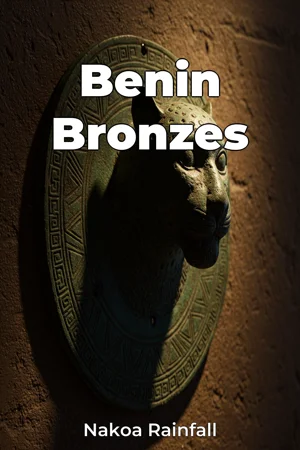
How can objects looted centuries ago continue to shape international relations and cultural identity today? "Benin Bronzes" delves into the rich history, artistic significance, and complex legacy of the bronze (and brass) castings created in the Kingdom of Benin. This book will explore three central themes: the evolution of Benin bronze casting as a sophisticated art form, the integral role these objects played in the kingdom’s royal traditions and power structures, and the ethical dilemmas surrounding their removal during the British Punitive Expedition of 1897, and their subsequent dispersal across Western museums. Understanding these themes is crucial for fostering a nuanced perspective on art history, colonialism, and cultural restitution. The Kingdom of Benin (located in present-day Nigeria) flourished for centuries, developing a highly structured society with the Oba (king) at its center. Benin bronze casting emerged as a royal art, closely tied to the Oba's power and the commemoration of royal ancestors. The central argument of this book is that the Benin Bronzes are not merely beautiful works of art. They represent a sophisticated system of historical record-keeping, religious practice, and royal authority, and their violent removal and continued presence in Western collections constitute a significant loss for Nigerian cultural heritage. This book unfolds in three parts. First, it introduces the origins and development of Benin bronze casting techniques, drawing upon metallurgical analysis and art historical scholarship to reveal the skill and innovation of Benin artisans, highlighting how they were organized in guilds with hereditary transmission of knowledge. The book will detail the lost-wax casting process, the diverse range of objects produced (plaques, heads, figures, jewelry), and the iconography embedded within the artworks – specifically focusing on the symbolism of royal power, ancestral lineage, and religious beliefs. Second, it explores the socio-political context of the Bronzes within the Kingdom of Benin, clarifying their ritual functions and their position as signifiers of status and diplomacy. This section utilizes historical accounts from European travelers and anthropological studies to illustrate how the Bronzes were displayed in the royal palace and used in ceremonies, thereby reinforcing the Oba's legitimacy. Finally, the book examines the British Punitive Expedition of 1897, the looting of the Bronzes, and their subsequent distribution to museums and private collections worldwide. Central to this section is an analysis of the justifications used for the seizure of these objects, the ethical implications of their continued retention, and the ongoing debates surrounding repatriation. The book draws upon a wide range of sources, including archival documents from British colonial records, museum inventories, ethnographic studies, and the oral traditions of the Benin people. It offers an interdisciplinary perspective, connecting art history with postcolonial studies, anthropology, and international law. The narrative adopts a fact-based, analytical tone, providing historical depth alongside contemporary ethical considerations. This book confronts the sensitive issues surrounding repatriation, cultural ownership, and the responsibilities of museums in the 21st century. It aims to be a valuable resource for art historians, museum professionals, students, and anyone interested in understanding the complexities of cultural heritage and the legacy of colonialism. While focusing on the Benin Bronzes, the book acknowledges its limited scope in terms of discussing other instances of colonial looting worldwide, but it provides insights that are highly relevant to these broader discussions. The information within can be applied in museum studies courses, informs discussions around cultural heritage law and provides a nuanced and historically informed context for current calls for restitution. The debates surrounding the Benin Bronzes are explored thoroughly, including varying perspectives on ownership, the potential benefits of shared heritage, and the practical challenges of repatriation.
How can objects looted centuries ago continue to shape international relations and cultural identity today? "Benin Bronzes" delves into the rich history, artistic significance, and complex legacy of the bronze (and brass) castings created in the Kingdom of Benin. This book will explore three central themes: the evolution of Benin bronze casting as a sophisticated art form, the integral role these objects played in the kingdom’s royal traditions and power structures, and the ethical dilemmas surrounding their removal during the British Punitive Expedition of 1897, and their subsequent dispersal across Western museums. Understanding these themes is crucial for fostering a nuanced perspective on art history, colonialism, and cultural restitution. The Kingdom of Benin (located in present-day Nigeria) flourished for centuries, developing a highly structured society with the Oba (king) at its center. Benin bronze casting emerged as a royal art, closely tied to the Oba's power and the commemoration of royal ancestors. The central argument of this book is that the Benin Bronzes are not merely beautiful works of art. They represent a sophisticated system of historical record-keeping, religious practice, and royal authority, and their violent removal and continued presence in Western collections constitute a significant loss for Nigerian cultural heritage. This book unfolds in three parts. First, it introduces the origins and development of Benin bronze casting techniques, drawing upon metallurgical analysis and art historical scholarship to reveal the skill and innovation of Benin artisans, highlighting how they were organized in guilds with hereditary transmission of knowledge. The book will detail the lost-wax casting process, the diverse range of objects produced (plaques, heads, figures, jewelry), and the iconography embedded within the artworks – specifically focusing on the symbolism of royal power, ancestral lineage, and religious beliefs. Second, it explores the socio-political context of the Bronzes within the Kingdom of Benin, clarifying their ritual functions and their position as signifiers of status and diplomacy. This section utilizes historical accounts from European travelers and anthropological studies to illustrate how the Bronzes were displayed in the royal palace and used in ceremonies, thereby reinforcing the Oba's legitimacy. Finally, the book examines the British Punitive Expedition of 1897, the looting of the Bronzes, and their subsequent distribution to museums and private collections worldwide. Central to this section is an analysis of the justifications used for the seizure of these objects, the ethical implications of their continued retention, and the ongoing debates surrounding repatriation. The book draws upon a wide range of sources, including archival documents from British colonial records, museum inventories, ethnographic studies, and the oral traditions of the Benin people. It offers an interdisciplinary perspective, connecting art history with postcolonial studies, anthropology, and international law. The narrative adopts a fact-based, analytical tone, providing historical depth alongside contemporary ethical considerations. This book confronts the sensitive issues surrounding repatriation, cultural ownership, and the responsibilities of museums in the 21st century. It aims to be a valuable resource for art historians, museum professionals, students, and anyone interested in understanding the complexities of cultural heritage and the legacy of colonialism. While focusing on the Benin Bronzes, the book acknowledges its limited scope in terms of discussing other instances of colonial looting worldwide, but it provides insights that are highly relevant to these broader discussions. The information within can be applied in museum studies courses, informs discussions around cultural heritage law and provides a nuanced and historically informed context for current calls for restitution. The debates surrounding the Benin Bronzes are explored thoroughly, including varying perspectives on ownership, the potential benefits of shared heritage, and the practical challenges of repatriation.
"Benin Bronzes" explores the captivating history and legacy of the bronze castings from the Kingdom of Benin, now part of Nigeria. These artworks, far more than mere decorations, served as vital historical records, embodied religious practices, and reinforced royal authority. The book investigates the sophisticated lost-wax casting techniques employed by Benin artisans, highlighting their guilds and hereditary knowledge, enabling them to create plaques, heads, and figures imbued with symbolism of royal power. The narrative unfolds in three parts, detailing the origins and evolution of Benin bronze casting, their socio-political role within the Kingdom, and the controversial British Punitive Expedition of 1897. This expedition led to the looting of the bronzes and their dispersal to Western museums, raising critical questions about cultural restitution and colonial looting. Historical accounts reveal these bronzes were displayed in the royal palace to legitimize the Oba's reign, demonstrating the integral link between art and power. By examining archival documents, museum inventories, and oral traditions, the book adopts an interdisciplinary approach, blending art history with postcolonial studies to address the ethical dilemmas surrounding repatriation and cultural ownership. It offers a nuanced perspective on the ongoing debates, making it a valuable resource for anyone interested in art history, cultural heritage, and the complex legacy of colonialism.
Book Details
ISBN
9788235251695
Publisher
Publifye AS
Your Licenses
You don't own any licenses for this book
Purchase a license below to unlock this book and download the EPUB.
Purchase License
Select a tier to unlock this book
Need bulk licensing?
Contact us for enterprise agreements.