
About This Book
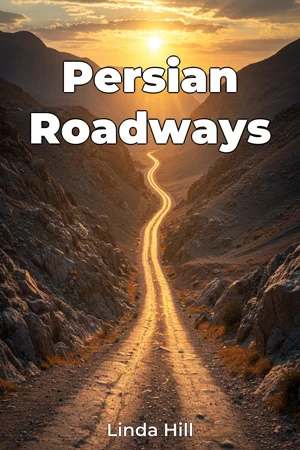
Imagine a world where communication travels at the speed of royal decree, where armies march with unprecedented efficiency, and where the threads of a sprawling empire are held firmly in the hands of a central authority. This was the reality forged by the Persian road systems, a network of meticulously engineered pathways that connected vast territories and facilitated control over a diverse population. "Persian Roadways" delves into the history, construction, and impact of these vital arteries of the ancient world. This book explores three key areas: the physical construction and engineering of Persian roads, the administrative and military uses of these networks, and the cultural and economic exchanges they fostered. Understanding these aspects is crucial to grasping the full scope of the Achaemenid and subsequent Persian empires' power and influence. Without efficient communication and transportation, maintaining control over such expansive territories would have been impossible. "Persian Roadways" argues that these road systems were not merely infrastructure; they were deliberate instruments of imperial power, designed to consolidate control, project military strength, and stimulate economic activity. To fully appreciate the significance of Persian roads, it’s necessary to understand the historical context of the Achaemenid Empire, its administrative structure, and its military strategies. Readers do not need specialized knowledge of ancient history to understand the material presented here. The book unfolds in a structured manner. It begins by introducing the concept of imperial infrastructure as a tool for governance and control. It then dedicates a significant portion to detailing the construction techniques, materials used, and logistical challenges involved in building and maintaining these roads. The second major section examines the road network's impact on military campaigns, royal communication, and administrative efficiency. Specific examples of royal messengers, military movements, and tax collection processes along the roads will be highlighted. The book culminates by analyzing the cultural and economic exchanges facilitated by the roads, looking at the movement of goods, people, and ideas across the empire. Finally, the implications of the Persian road system will be connected to later road networks, including those of the Roman Empire, and its contributions to modern infrastructure planning will be discussed. The arguments presented in "Persian Roadways" are underpinned by a diverse range of evidence, from archaeological findings along the route of the Royal Road to ancient texts describing its use. Primary sources, such as the Persepolis Fortification Archive and accounts from Greek historians, will be critically examined to provide a multifaceted understanding of the road systems. Further, the book draws upon modern engineering principles and geographic information systems (GIS) to analyze the routes, gradients, and strategic locations of the roads. The study of Persian roadways naturally connects to several other fields. Firstly, engineering provides insights into the technical aspects of road construction and maintenance. Secondly, political science sheds light on how infrastructure can be used to exert power and control. Finally, economics helps explain the flows of commerce and trade facilitated by the roads. By integrating these perspectives, the book offers a holistic understanding of the Persian road system's impact. "Persian Roadways" takes a unique approach by focusing on the interconnectedness of physical infrastructure and imperial power. Rather than simply describing the roads themselves, the book analyzes how they functioned as an integral component of the Persian state, influencing everything from military campaigns to cultural exchange. The tone of the book is academic yet accessible, aiming to present complex information in a clear and engaging manner. It is intended for anyone interested in ancient history, infrastructure development, or the dynamics of imperial power. In line with the conventions of historical non-fiction, the book prioritizes factual accuracy, rigorous analysis, and clear presentation of evidence. The book’s scope is limited to the major road systems of the Achaemenid and subsequent Persian empires, primarily focusing on the Royal Road and its associated routes. While other ancient road networks will be acknowledged for comparative purposes, the primary focus remains on the Persian context. The lessons learned from the Persian road system have real-world applications for understanding how infrastructure shapes societies and influences the balance of power. Modern infrastructure projects can benefit from studying the strategic planning and engineering ingenuity of the ancient Persians. While the overall importance of Persian roads is well-established, there are ongoing debates among historians regarding the precise routes of certain roads and the extent of their impact on specific regions. "Persian Roadways" engages with these debates, presenting multiple perspectives and offering its own interpretations based on available evidence. The book adds a fresh perspective on the role of infrastructure in empire building and provides valuable insights into the lasting legacy of the Persian road systems.
Imagine a world where communication travels at the speed of royal decree, where armies march with unprecedented efficiency, and where the threads of a sprawling empire are held firmly in the hands of a central authority. This was the reality forged by the Persian road systems, a network of meticulously engineered pathways that connected vast territories and facilitated control over a diverse population. "Persian Roadways" delves into the history, construction, and impact of these vital arteries of the ancient world. This book explores three key areas: the physical construction and engineering of Persian roads, the administrative and military uses of these networks, and the cultural and economic exchanges they fostered. Understanding these aspects is crucial to grasping the full scope of the Achaemenid and subsequent Persian empires' power and influence. Without efficient communication and transportation, maintaining control over such expansive territories would have been impossible. "Persian Roadways" argues that these road systems were not merely infrastructure; they were deliberate instruments of imperial power, designed to consolidate control, project military strength, and stimulate economic activity. To fully appreciate the significance of Persian roads, it’s necessary to understand the historical context of the Achaemenid Empire, its administrative structure, and its military strategies. Readers do not need specialized knowledge of ancient history to understand the material presented here. The book unfolds in a structured manner. It begins by introducing the concept of imperial infrastructure as a tool for governance and control. It then dedicates a significant portion to detailing the construction techniques, materials used, and logistical challenges involved in building and maintaining these roads. The second major section examines the road network's impact on military campaigns, royal communication, and administrative efficiency. Specific examples of royal messengers, military movements, and tax collection processes along the roads will be highlighted. The book culminates by analyzing the cultural and economic exchanges facilitated by the roads, looking at the movement of goods, people, and ideas across the empire. Finally, the implications of the Persian road system will be connected to later road networks, including those of the Roman Empire, and its contributions to modern infrastructure planning will be discussed. The arguments presented in "Persian Roadways" are underpinned by a diverse range of evidence, from archaeological findings along the route of the Royal Road to ancient texts describing its use. Primary sources, such as the Persepolis Fortification Archive and accounts from Greek historians, will be critically examined to provide a multifaceted understanding of the road systems. Further, the book draws upon modern engineering principles and geographic information systems (GIS) to analyze the routes, gradients, and strategic locations of the roads. The study of Persian roadways naturally connects to several other fields. Firstly, engineering provides insights into the technical aspects of road construction and maintenance. Secondly, political science sheds light on how infrastructure can be used to exert power and control. Finally, economics helps explain the flows of commerce and trade facilitated by the roads. By integrating these perspectives, the book offers a holistic understanding of the Persian road system's impact. "Persian Roadways" takes a unique approach by focusing on the interconnectedness of physical infrastructure and imperial power. Rather than simply describing the roads themselves, the book analyzes how they functioned as an integral component of the Persian state, influencing everything from military campaigns to cultural exchange. The tone of the book is academic yet accessible, aiming to present complex information in a clear and engaging manner. It is intended for anyone interested in ancient history, infrastructure development, or the dynamics of imperial power. In line with the conventions of historical non-fiction, the book prioritizes factual accuracy, rigorous analysis, and clear presentation of evidence. The book’s scope is limited to the major road systems of the Achaemenid and subsequent Persian empires, primarily focusing on the Royal Road and its associated routes. While other ancient road networks will be acknowledged for comparative purposes, the primary focus remains on the Persian context. The lessons learned from the Persian road system have real-world applications for understanding how infrastructure shapes societies and influences the balance of power. Modern infrastructure projects can benefit from studying the strategic planning and engineering ingenuity of the ancient Persians. While the overall importance of Persian roads is well-established, there are ongoing debates among historians regarding the precise routes of certain roads and the extent of their impact on specific regions. "Persian Roadways" engages with these debates, presenting multiple perspectives and offering its own interpretations based on available evidence. The book adds a fresh perspective on the role of infrastructure in empire building and provides valuable insights into the lasting legacy of the Persian road systems.
"Persian Roadways" explores how the Achaemenid Empire utilized an extensive network of roads, most notably the Royal Road, to consolidate power and facilitate communication across its vast territories. These ancient roads were not merely pathways; they were instruments of imperial control, enabling swift military campaigns and efficient administration. Persian ingenuity allowed for messages to travel with unprecedented speed, a crucial advantage in governing a diverse population. The book details the construction techniques and logistical challenges involved in creating and maintaining these road systems, highlighting their impact on military movements, economic activity, and cultural exchange. For example, the roads facilitated the movement of goods, people, and ideas, fostering a vibrant exchange across the empire. By examining archaeological findings and ancient texts, "Persian Roadways" provides a multifaceted understanding of the road systems' function. The book progresses by first introducing imperial infrastructure as a tool for governance, then detailing road construction and maintenance, and finally analyzing the roads' effects on military, cultural, and economic spheres. It connects the Persian road system to later networks, such as those of the Roman Empire, and discusses its influence on modern infrastructure planning, offering valuable insights into the lasting legacy of Persian engineering and strategic planning.
Book Details
ISBN
9788235251381
Publisher
Publifye AS
Your Licenses
You don't own any licenses for this book
Purchase a license below to unlock this book and download the EPUB.
Purchase License
Select a tier to unlock this book
Need bulk licensing?
Contact us for enterprise agreements.