
About This Book
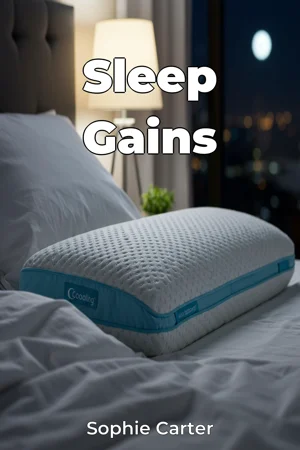
Are you unknowingly sabotaging your muscle gains and athletic performance every night? The secret to unlocking your physical potential lies not just in the gym or on the field, but also in the quality and quantity of your sleep. In "Sleep Gains," this book delves into the profound connection between sleep and athletic achievement, exploring how optimizing your sleep can significantly enhance muscle growth, recovery, and overall performance. This book focuses on three critical areas: understanding the science of sleep cycles, examining the impact of sleep on muscle physiology and athletic performance, and providing practical techniques to improve sleep quality and duration. These topics are vital because proper sleep is often the missing link in maximizing the benefits of training and nutrition. Neglecting sleep can lead to diminished results, increased risk of injury, and a plateau in progress, regardless of how dedicated you are to your workouts. To fully appreciate the role of sleep in athletic performance, we will explore the fundamental stages of sleep – from light sleep to deep, restorative sleep – and how these cycles influence hormone production, muscle repair, and cognitive function. This understanding builds upon decades of sleep research, drawing from diverse fields such as physiology, neurology, and sports science. Prior knowledge of basic biology or exercise science is helpful, but not required, as fundamental concepts will be explained. The central argument of "Sleep Gains" is that sleep is not merely a period of rest, but an active process critical for muscle growth, physical recovery, and peak athletic performance. Prioritizing and optimizing sleep is as essential as proper nutrition and consistent training, forming the cornerstone of athletic success. This argument is substantiated by a wealth of scientific evidence demonstrating the direct correlation between sleep quality and athletic outcomes. The book is structured to guide you systematically through understanding and harnessing the power of sleep. First, the basic science of sleep architecture will be introduced, detailing the different sleep stages and their physiological roles. Then, the book explores two key areas: the role of sleep in muscle protein synthesis and hormone regulation, including the impact of sleep deprivation on cortisol levels and growth hormone release; and the relationship between sleep and athletic performance metrics, such as reaction time, endurance, and injury risk. Finally, the book culminates in a practical guide, offering evidence-based strategies to improve sleep hygiene, manage sleep disorders, and optimize sleep schedules for athletes. The evidence presented is drawn from a wide range of sources, including peer-reviewed scientific studies, meta-analyses, and case studies of elite athletes. The book analyzes data from sleep laboratories, field studies conducted with sports teams, and surveys of athlete sleep habits. Unique data resources include actigraphy data from wearable sleep trackers and polysomnography results from clinical sleep studies. "Sleep Gains" also connects to other disciplines. Nutrition will be discussed in relation to sleep, as dietary choices can significantly impact sleep quality. Psychology also plays a vital role, since stress, anxiety, and mental well-being can influence both sleep and athletic performance. Finally, the book draws on principles of chronobiology to explain the impact of circadian rhythms on sleep and athletic readiness. These interdisciplinary connections enrich its central premise that improving your sleep leads to better athletic gains. Our unique approach lies in its focus on sleep as a proactive tool for athletic enhancement. This book offers a practical, actionable framework for athletes and coaches to implement sleep strategies and improve athletic outcomes and is written in an accessible narrative style, blending scientific rigor with real-world applications and examples. This book is targeted towards athletes of all levels, from recreational enthusiasts to competitive athletes, as well as coaches, trainers, and anyone interested in optimizing their physical performance through better sleep. "Sleep Gains" provides information, tools, and techniques that can make a tangible difference in their training and competition. Following the conventions of health and fitness non-fiction, it includes clear explanations of complex scientific concepts, supplemented by practical tips, examples, and actionable advice. The scope of the book is limited to the relationship between sleep and athletic performance, it does not delve into the broader aspects of sleep medicine or neurological disorders beyond their direct relevance to athletes. The information presented in "Sleep Gains" can be applied in numerous real-world settings. Athletes can use the strategies outlined to improve their sleep hygiene, optimize their sleep schedules, and monitor their sleep patterns to identify potential problems. Coaches can use the insights to educate their athletes about the importance of sleep and implement team-wide sleep protocols. Finally, the book addresses the debates surrounding the use of sleep aids and examines controversies regarding the impact of travel and competition schedules on athlete sleep.
Are you unknowingly sabotaging your muscle gains and athletic performance every night? The secret to unlocking your physical potential lies not just in the gym or on the field, but also in the quality and quantity of your sleep. In "Sleep Gains," this book delves into the profound connection between sleep and athletic achievement, exploring how optimizing your sleep can significantly enhance muscle growth, recovery, and overall performance. This book focuses on three critical areas: understanding the science of sleep cycles, examining the impact of sleep on muscle physiology and athletic performance, and providing practical techniques to improve sleep quality and duration. These topics are vital because proper sleep is often the missing link in maximizing the benefits of training and nutrition. Neglecting sleep can lead to diminished results, increased risk of injury, and a plateau in progress, regardless of how dedicated you are to your workouts. To fully appreciate the role of sleep in athletic performance, we will explore the fundamental stages of sleep – from light sleep to deep, restorative sleep – and how these cycles influence hormone production, muscle repair, and cognitive function. This understanding builds upon decades of sleep research, drawing from diverse fields such as physiology, neurology, and sports science. Prior knowledge of basic biology or exercise science is helpful, but not required, as fundamental concepts will be explained. The central argument of "Sleep Gains" is that sleep is not merely a period of rest, but an active process critical for muscle growth, physical recovery, and peak athletic performance. Prioritizing and optimizing sleep is as essential as proper nutrition and consistent training, forming the cornerstone of athletic success. This argument is substantiated by a wealth of scientific evidence demonstrating the direct correlation between sleep quality and athletic outcomes. The book is structured to guide you systematically through understanding and harnessing the power of sleep. First, the basic science of sleep architecture will be introduced, detailing the different sleep stages and their physiological roles. Then, the book explores two key areas: the role of sleep in muscle protein synthesis and hormone regulation, including the impact of sleep deprivation on cortisol levels and growth hormone release; and the relationship between sleep and athletic performance metrics, such as reaction time, endurance, and injury risk. Finally, the book culminates in a practical guide, offering evidence-based strategies to improve sleep hygiene, manage sleep disorders, and optimize sleep schedules for athletes. The evidence presented is drawn from a wide range of sources, including peer-reviewed scientific studies, meta-analyses, and case studies of elite athletes. The book analyzes data from sleep laboratories, field studies conducted with sports teams, and surveys of athlete sleep habits. Unique data resources include actigraphy data from wearable sleep trackers and polysomnography results from clinical sleep studies. "Sleep Gains" also connects to other disciplines. Nutrition will be discussed in relation to sleep, as dietary choices can significantly impact sleep quality. Psychology also plays a vital role, since stress, anxiety, and mental well-being can influence both sleep and athletic performance. Finally, the book draws on principles of chronobiology to explain the impact of circadian rhythms on sleep and athletic readiness. These interdisciplinary connections enrich its central premise that improving your sleep leads to better athletic gains. Our unique approach lies in its focus on sleep as a proactive tool for athletic enhancement. This book offers a practical, actionable framework for athletes and coaches to implement sleep strategies and improve athletic outcomes and is written in an accessible narrative style, blending scientific rigor with real-world applications and examples. This book is targeted towards athletes of all levels, from recreational enthusiasts to competitive athletes, as well as coaches, trainers, and anyone interested in optimizing their physical performance through better sleep. "Sleep Gains" provides information, tools, and techniques that can make a tangible difference in their training and competition. Following the conventions of health and fitness non-fiction, it includes clear explanations of complex scientific concepts, supplemented by practical tips, examples, and actionable advice. The scope of the book is limited to the relationship between sleep and athletic performance, it does not delve into the broader aspects of sleep medicine or neurological disorders beyond their direct relevance to athletes. The information presented in "Sleep Gains" can be applied in numerous real-world settings. Athletes can use the strategies outlined to improve their sleep hygiene, optimize their sleep schedules, and monitor their sleep patterns to identify potential problems. Coaches can use the insights to educate their athletes about the importance of sleep and implement team-wide sleep protocols. Finally, the book addresses the debates surrounding the use of sleep aids and examines controversies regarding the impact of travel and competition schedules on athlete sleep.
Unlock your athletic potential through the power of sleep with "Sleep Gains." This book explores the critical connection between sleep and athletic performance, highlighting how sleep optimization enhances muscle growth, physical recovery, and overall results. Did you know that sleep deprivation can elevate cortisol levels, hindering muscle development, and that optimal sleep boosts reaction time and endurance, crucial for competitive edge? "Sleep Gains" systematically guides you through the science of sleep architecture, detailing sleep stages and their physiological roles. Delve into how sleep impacts muscle protein synthesis, hormone regulation, and athletic performance metrics like reaction time and injury risk. The book’s approach blends sleep science with practical strategies for athletes to improve sleep quality, manage sleep disorders, and optimize sleep schedules, emphasizing sleep hygiene as a cornerstone of sports science. The book progresses from foundational sleep science to actionable sleep strategies. Learn how to apply evidence-based techniques to improve sleep hygiene, manage sleep disorders, and optimize sleep schedules for athletes. By understanding the role of sleep in hormone regulation and physical recovery, you’ll gain a competitive advantage, making sleep a proactive tool for athletic enhancement.
Book Details
ISBN
9788235251312
Publisher
Publifye AS
Your Licenses
You don't own any licenses for this book
Purchase a license below to unlock this book and download the EPUB.
Purchase License
Select a tier to unlock this book
Need bulk licensing?
Contact us for enterprise agreements.