
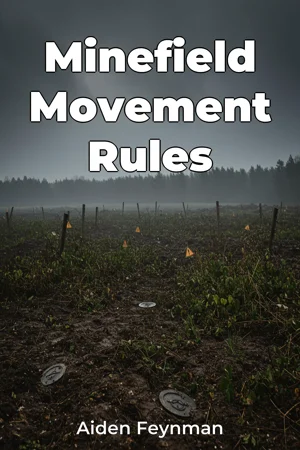
About This Book
How can lives be preserved when navigating the deadly landscape of a minefield? "Minefield Movement Rules" offers a comprehensive guide to understanding and executing safe minefield navigation, blending historical context with modern techniques and global standards. This book addresses the vital need for clear procedures in an environment where a single misstep can be fatal. The core focus is the integration of three critical elements: interpreting physical cues within a suspected minefield, employing various detection tools effectively, and adhering to established global standards for area marking and clearance. Understanding these elements is paramount for military personnel, humanitarian deminers, and anyone operating in or near areas contaminated by landmines and unexploded ordnance. Each element is interwoven, demonstrating how observational skills complement technological aids, which in turn must align with internationally recognized protocols. The book provides historical context, tracing the evolution of mine warfare and clearance techniques from early conflicts to modern peacekeeping operations. It explores the societal impact of landmines and the ongoing efforts to mitigate their devastating effects on civilian populations. Readers will gain an understanding of the different types of mines, their deployment methods, and their effects, as well as the psychological impact of operating in mine-contaminated environments. "Minefield Movement Rules" argues that effective minefield navigation hinges not only on technical proficiency but also on a thorough understanding of established safety protocols and a keen awareness of the surrounding environment. This argument emphasizes the importance of continuous training, adaptation to evolving threats, and adherence to ethical considerations in mine action. The book is structured to guide the reader through a progressive learning process. It begins with an introduction to the fundamental principles of mine warfare and the global efforts to combat its impact. The subsequent sections delve into methods of identifying physical indicators of mine presence, such as disturbed soil, changes in vegetation, and the remnants of mine-laying activities. The book then transitions to detailing various detection tools, including metal detectors, ground-penetrating radar, and specialized mine-detection dogs; explaining their principles of operation, limitations, and proper usage. The book culminates by examining international standards for marking and clearing minefields, as defined by organizations like the United Nations Mine Action Service (UNMAS), emphasizing the importance of adhering to these standards to ensure the safety of both clearance personnel and the affected communities. Practical application is highlighted through case studies and scenario-based exercises. The evidence presented is drawn from a variety of sources, including military field manuals, technical reports from demining organizations, firsthand accounts from experienced deminers, and academic research on mine warfare and clearance. The book also incorporates data from international databases on mine incidents and clearance progress. The book draws connections to fields such as engineering (design of detection equipment), psychology (impact of minefields on mental health), and international law (legal frameworks governing mine warfare). These interdisciplinary connections enrich the discussion and underscore the complex nature of mine action. "Minefield Movement Rules" offers a unique perspective through its emphasis on the integration of traditional observation skills with modern technology and international standards. It provides a holistic approach to minefield navigation, emphasizing the importance of both technical expertise and adherence to ethical principles. The tone of the book is factual and instructional, and aimed at providing clear, concise guidance to those involved in mine action. The writing style is accessible to readers with varying backgrounds, avoiding overly technical jargon while maintaining accuracy and detail. The book is intended for military personnel, demining professionals, humanitarian workers, and students of military history or international security. It offers valuable insights and practical guidance for anyone seeking to understand the challenges and complexities of minefield navigation. In line with military history and technology genres, the book presents historical analysis alongside technical details and operational procedures. It acknowledges the limitations of current technologies and highlights the ongoing need for innovation and adaptation in the field. The scope of the book is limited to the practical aspects of minefield navigation and clearance, focusing on techniques and standards. It does not delve into the political or economic factors driving mine warfare. The information presented in this book can be directly applied in training programs for deminers and military personnel, as well as in the development of safer and more effective mine clearance procedures. While the book aims to present a balanced view, it acknowledges that there are ongoing debates regarding the effectiveness of different mine clearance technologies and the prioritization of mine action efforts. These debates are addressed in the context of evidence-based practices and ethical considerations.
How can lives be preserved when navigating the deadly landscape of a minefield? "Minefield Movement Rules" offers a comprehensive guide to understanding and executing safe minefield navigation, blending historical context with modern techniques and global standards. This book addresses the vital need for clear procedures in an environment where a single misstep can be fatal. The core focus is the integration of three critical elements: interpreting physical cues within a suspected minefield, employing various detection tools effectively, and adhering to established global standards for area marking and clearance. Understanding these elements is paramount for military personnel, humanitarian deminers, and anyone operating in or near areas contaminated by landmines and unexploded ordnance. Each element is interwoven, demonstrating how observational skills complement technological aids, which in turn must align with internationally recognized protocols. The book provides historical context, tracing the evolution of mine warfare and clearance techniques from early conflicts to modern peacekeeping operations. It explores the societal impact of landmines and the ongoing efforts to mitigate their devastating effects on civilian populations. Readers will gain an understanding of the different types of mines, their deployment methods, and their effects, as well as the psychological impact of operating in mine-contaminated environments. "Minefield Movement Rules" argues that effective minefield navigation hinges not only on technical proficiency but also on a thorough understanding of established safety protocols and a keen awareness of the surrounding environment. This argument emphasizes the importance of continuous training, adaptation to evolving threats, and adherence to ethical considerations in mine action. The book is structured to guide the reader through a progressive learning process. It begins with an introduction to the fundamental principles of mine warfare and the global efforts to combat its impact. The subsequent sections delve into methods of identifying physical indicators of mine presence, such as disturbed soil, changes in vegetation, and the remnants of mine-laying activities. The book then transitions to detailing various detection tools, including metal detectors, ground-penetrating radar, and specialized mine-detection dogs; explaining their principles of operation, limitations, and proper usage. The book culminates by examining international standards for marking and clearing minefields, as defined by organizations like the United Nations Mine Action Service (UNMAS), emphasizing the importance of adhering to these standards to ensure the safety of both clearance personnel and the affected communities. Practical application is highlighted through case studies and scenario-based exercises. The evidence presented is drawn from a variety of sources, including military field manuals, technical reports from demining organizations, firsthand accounts from experienced deminers, and academic research on mine warfare and clearance. The book also incorporates data from international databases on mine incidents and clearance progress. The book draws connections to fields such as engineering (design of detection equipment), psychology (impact of minefields on mental health), and international law (legal frameworks governing mine warfare). These interdisciplinary connections enrich the discussion and underscore the complex nature of mine action. "Minefield Movement Rules" offers a unique perspective through its emphasis on the integration of traditional observation skills with modern technology and international standards. It provides a holistic approach to minefield navigation, emphasizing the importance of both technical expertise and adherence to ethical principles. The tone of the book is factual and instructional, and aimed at providing clear, concise guidance to those involved in mine action. The writing style is accessible to readers with varying backgrounds, avoiding overly technical jargon while maintaining accuracy and detail. The book is intended for military personnel, demining professionals, humanitarian workers, and students of military history or international security. It offers valuable insights and practical guidance for anyone seeking to understand the challenges and complexities of minefield navigation. In line with military history and technology genres, the book presents historical analysis alongside technical details and operational procedures. It acknowledges the limitations of current technologies and highlights the ongoing need for innovation and adaptation in the field. The scope of the book is limited to the practical aspects of minefield navigation and clearance, focusing on techniques and standards. It does not delve into the political or economic factors driving mine warfare. The information presented in this book can be directly applied in training programs for deminers and military personnel, as well as in the development of safer and more effective mine clearance procedures. While the book aims to present a balanced view, it acknowledges that there are ongoing debates regarding the effectiveness of different mine clearance technologies and the prioritization of mine action efforts. These debates are addressed in the context of evidence-based practices and ethical considerations.
"Minefield Movement Rules" provides a comprehensive guide to safely navigating minefields, focusing on the integration of observational skills, technology, and international standards. Tracing the evolution of mine warfare from early conflicts to modern operations, the book emphasizes the critical need for clear procedures to mitigate risks. Readers will learn about identifying physical cues like disturbed soil, effectively employing detection tools such as metal detectors and ground-penetrating radar, and adhering to global protocols established by organizations like UNMAS. This book uniquely emphasizes the integration of traditional observation with technology and standards. It progresses from fundamental warfare principles to identifying mine indicators, detailing detection tools, and examining international standards. Highlighting practical applications through case studies, it underscores the importance of continuous training and adaptation, given that even a single misstep in a minefield can have fatal consequences.
Book Details
ISBN
9788235251206
Publisher
Publifye AS
Your Licenses
You don't own any licenses for this book
Purchase a license below to unlock this book and download the EPUB.
Purchase License
Select a tier to unlock this book
Need bulk licensing?
Contact us for enterprise agreements.