
About This Book
Have you ever been mistaken for someone else? It might seem like a minor inconvenience, but in some cases, mistaken identity can lead to devastating consequences. "Mistaken Identity Cases" delves into the complex and often unsettling world where individuals are wrongly identified, exploring the true crime and psychological implications of these errors. This book examines the multifaceted phenomenon of mistaken identity, its profound effects on victims and perpetrators, and its broader implications for the justice system and society. This book focuses on the legal ramifications and the psychological impacts of mistaken identity. We will explore how these errors occur, examining eyewitness testimony, facial recognition technology pitfalls, and the role of implicit biases. Further, the book investigates the trauma experienced by those wrongly accused and the psychological burdens faced by individuals who mistakenly identify others. These subjects are vital because they underscore the flaws in our perception and legal processes, highlighting the urgent need for reform and a deeper understanding of human fallibility. We will explore the historical context of mistaken identity throughout the legal system, demonstrating how cognitive psychology has evolved to recognize the inherent biases of human perception and recall. The book avoids technical jargon, ensuring that readers without prior knowledge of psychology or law can grasp the concepts discussed. "Mistaken Identity Cases" argues that mistaken identity extends beyond isolated incidents; it reflects systemic issues in how we perceive, remember, and judge others. The book emphasizes that understanding and mitigating these errors is crucial for ensuring fair legal proceedings, preventing wrongful convictions, and fostering a more just society. The book begins by introducing the core concepts of memory, perception, and bias, laying the groundwork for understanding how mistaken identity occurs. It progresses by presenting detailed case studies of individuals affected by mistaken identity. These examples serve to illustrate the complex interplay of factors that contribute to misidentification. The book will consider cases of mistaken identity that led to false arrests, wrongful imprisonment, and even convictions. The book culminates by offering practical strategies for reducing the risk of mistaken identity, including improving eyewitness identification procedures, utilizing technology responsibly, and promoting awareness of implicit biases. It examines policy recommendations and explores how psychological research can inform legal practices to protect innocent individuals. The evidence presented in this book includes court transcripts, police reports, eyewitness testimonies, and psychological evaluations. It draws on findings from cognitive psychology, social psychology, and forensic science to provide a comprehensive and evidence-based analysis of mistaken identity cases. Unique data sources include interviews with wrongfully accused individuals, law enforcement professionals, and legal experts. This book inherently connects the fields of law and psychology. Additionally, it touches upon sociology, examining how societal biases can influence perceptions and contribute to misidentification. These connections enhance the argument by providing a holistic understanding of the factors that contribute to mistaken identity. "Mistaken Identity Cases" adopts a narrative non-fiction style. It strives to present complex information in an accessible and engaging manner. The book is intended for a broad audience, including students, legal professionals, psychology enthusiasts, and anyone interested in the intricacies of the human mind and the justice system. Given its discussion of true crime and forensic psychology, the book appeals to readers interested in real-world cases and the underlying psychological processes involved. The scope of this book encompasses a wide range of cases across different legal jurisdictions and time periods. However, it focuses primarily on cases involving eyewitness identification and excludes cases of identity theft or fraud to maintain a focused analysis. The content offers practical insights for law enforcement, legal professionals, and anyone who may find themselves in a situation where they need to identify or recall information about others. By understanding the factors that contribute to mistaken identity, readers can take steps to mitigate the risk of errors and ensure fairness and accuracy in legal proceedings. The book also addresses the ongoing debates surrounding the reliability of eyewitness testimony and the use of facial recognition technology, providing a balanced and nuanced perspective on these controversial issues.
Have you ever been mistaken for someone else? It might seem like a minor inconvenience, but in some cases, mistaken identity can lead to devastating consequences. "Mistaken Identity Cases" delves into the complex and often unsettling world where individuals are wrongly identified, exploring the true crime and psychological implications of these errors. This book examines the multifaceted phenomenon of mistaken identity, its profound effects on victims and perpetrators, and its broader implications for the justice system and society. This book focuses on the legal ramifications and the psychological impacts of mistaken identity. We will explore how these errors occur, examining eyewitness testimony, facial recognition technology pitfalls, and the role of implicit biases. Further, the book investigates the trauma experienced by those wrongly accused and the psychological burdens faced by individuals who mistakenly identify others. These subjects are vital because they underscore the flaws in our perception and legal processes, highlighting the urgent need for reform and a deeper understanding of human fallibility. We will explore the historical context of mistaken identity throughout the legal system, demonstrating how cognitive psychology has evolved to recognize the inherent biases of human perception and recall. The book avoids technical jargon, ensuring that readers without prior knowledge of psychology or law can grasp the concepts discussed. "Mistaken Identity Cases" argues that mistaken identity extends beyond isolated incidents; it reflects systemic issues in how we perceive, remember, and judge others. The book emphasizes that understanding and mitigating these errors is crucial for ensuring fair legal proceedings, preventing wrongful convictions, and fostering a more just society. The book begins by introducing the core concepts of memory, perception, and bias, laying the groundwork for understanding how mistaken identity occurs. It progresses by presenting detailed case studies of individuals affected by mistaken identity. These examples serve to illustrate the complex interplay of factors that contribute to misidentification. The book will consider cases of mistaken identity that led to false arrests, wrongful imprisonment, and even convictions. The book culminates by offering practical strategies for reducing the risk of mistaken identity, including improving eyewitness identification procedures, utilizing technology responsibly, and promoting awareness of implicit biases. It examines policy recommendations and explores how psychological research can inform legal practices to protect innocent individuals. The evidence presented in this book includes court transcripts, police reports, eyewitness testimonies, and psychological evaluations. It draws on findings from cognitive psychology, social psychology, and forensic science to provide a comprehensive and evidence-based analysis of mistaken identity cases. Unique data sources include interviews with wrongfully accused individuals, law enforcement professionals, and legal experts. This book inherently connects the fields of law and psychology. Additionally, it touches upon sociology, examining how societal biases can influence perceptions and contribute to misidentification. These connections enhance the argument by providing a holistic understanding of the factors that contribute to mistaken identity. "Mistaken Identity Cases" adopts a narrative non-fiction style. It strives to present complex information in an accessible and engaging manner. The book is intended for a broad audience, including students, legal professionals, psychology enthusiasts, and anyone interested in the intricacies of the human mind and the justice system. Given its discussion of true crime and forensic psychology, the book appeals to readers interested in real-world cases and the underlying psychological processes involved. The scope of this book encompasses a wide range of cases across different legal jurisdictions and time periods. However, it focuses primarily on cases involving eyewitness identification and excludes cases of identity theft or fraud to maintain a focused analysis. The content offers practical insights for law enforcement, legal professionals, and anyone who may find themselves in a situation where they need to identify or recall information about others. By understanding the factors that contribute to mistaken identity, readers can take steps to mitigate the risk of errors and ensure fairness and accuracy in legal proceedings. The book also addresses the ongoing debates surrounding the reliability of eyewitness testimony and the use of facial recognition technology, providing a balanced and nuanced perspective on these controversial issues.
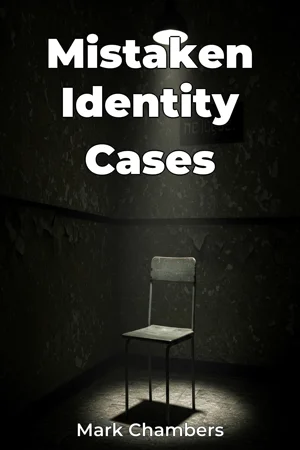
"Mistaken Identity Cases" explores the unsettling reality of mistaken identity and its repercussions within the true crime and legal systems. It delves into how errors in perception and memory can lead to wrongful convictions, examining the psychological impacts on both the wrongly accused and those who make the misidentification. The book highlights the fallibility of eyewitness testimony and the potential pitfalls of facial recognition technology, showing how these factors, combined with implicit biases, can undermine justice. The book analyzes real cases using court transcripts and police reports to demonstrate how mistaken identity occurs and its devastating consequences. It traces the evolution of cognitive psychology's understanding of biases in perception. Did you know that memory is reconstructive, not a perfect recording, and can be easily influenced by suggestion? Or that cross-racial identification is particularly prone to error? The book progresses from foundational concepts to detailed case studies, offering insights into improving identification procedures and promoting awareness to reduce errors. Ultimately, "Mistaken Identity Cases" argues that mistaken identity reflects deeper systemic issues within our perceptions and legal processes. It offers practical strategies for mitigating risks and ensuring fairness, making it a valuable resource for anyone interested in psychology, true crime, or the pursuit of justice.
Book Details
ISBN
9788235251152
Publisher
Publifye AS
Your Licenses
You don't own any licenses for this book
Purchase a license below to unlock this book and download the EPUB.
Purchase License
Select a tier to unlock this book
Need bulk licensing?
Contact us for enterprise agreements.