
About This Book
What if the pursuit of economic gain jeopardized the very ecosystems that sustain us, especially in the Earth's most vulnerable regions? Frozen Trade delves into the escalating economic activities within the Arctic and Antarctic regions and their profound consequences for both the environment and the indigenous communities that call these icy landscapes home. This book explores the intricate relationship between economic development, ecological preservation, and social justice in the polar zones. Frozen Trade focuses on three key economic sectors that are reshaping the polar regions: fishing, mining, and tourism. Each of these sectors presents unique opportunities and challenges, demanding careful consideration for sustainable practices and equitable benefit-sharing with local communities. The escalating demand for resources and unique travel experiences is placing unprecedented strain on these fragile environments, making a thorough examination of these activities crucial for policymakers, researchers, and concerned citizens alike. Understanding the current state of polar economies requires acknowledging a historical context of exploration, exploitation, and shifting geopolitical interests. Scientific advancements have revealed the vulnerability of polar ecosystems to climate change, while indigenous communities have long held traditional ecological knowledge vital for responsible stewardship. Frozen Trade synthesizes these diverse perspectives, giving the reader a holistic understanding of the factors shaping the polar regions today. The central argument of Frozen Trade is that unchecked economic expansion in the Arctic and Antarctic threatens ecological integrity and jeopardizes the cultural survival of indigenous populations. By prioritizing short-term economic gains over long-term sustainability, we risk irreversible damage to these regions and the global climate system they influence. The book advocates for a paradigm shift towards responsible, community-led development that prioritizes environmental protection and social equity alongside economic prosperity. The book is structured to systematically examine the interplay of economics and environment in polar regions. It begins with an introduction to the unique characteristics of Arctic and Antarctic ecosystems and the indigenous cultures that have adapted to these harsh environments. The core of the book consists of detailed analyses of the fishing, mining, and tourism industries, assessing their economic contributions, environmental impacts, and social consequences. Concluding chapters explore policy recommendations, innovative technologies, and collaborative governance models that can facilitate sustainable development in the polar regions. Evidence presented in Frozen Trade draws from diverse sources, including scientific reports on climate change impacts, economic analyses of industry performance, ethnographic studies of indigenous communities, and policy assessments of environmental regulations. It incorporates data from international organizations like the Arctic Council and the Antarctic Treaty System, as well as firsthand accounts from researchers, policymakers, and local residents. The themes explored in Frozen Trade intersect with various disciplines, including environmental science, anthropology, political science, and international law. The book highlights the relevance of climate change research to economic decision-making, the importance of cultural understanding for responsible tourism development, and the role of international agreements in governing resource extraction. What sets Frozen Trade apart is its balanced approach to analyzing the complex trade-offs between economic development and environmental protection in the polar regions. It presents a nuanced perspective that avoids simplistic solutions, recognizing the diverse interests and values at stake. The book is written in a clear and accessible style, making it suitable for a broad audience interested in environmental issues, economic development, and social justice. Frozen Trade is intended for policymakers, environmental advocates, business leaders, researchers, and anyone interested in the future of the Arctic and Antarctic. It offers valuable insights for understanding the challenges and opportunities of economic activity in these regions and provides a framework for making informed decisions that promote environmental sustainability and social equity. As a fact-based, non-fiction book, Frozen Trade adheres to the conventions of rigorous research, objective analysis, and clear communication. It provides credible evidence to support its claims, acknowledges alternative perspectives, and avoids sensationalism or bias. The scope of Frozen Trade encompasses economic activities and their environmental and social impacts across the Arctic and Antarctic regions. It acknowledges the limitations of generalizing across diverse contexts and focuses on providing in-depth analysis of key issues and case studies. The book's findings can be applied practically by policymakers seeking to develop sustainable development strategies, by businesses aiming to adopt responsible operating practices, and by individuals seeking to make informed choices about their consumption and travel habits. The book addresses ongoing debates about resource extraction, tourism management, and indigenous rights in the polar regions, offering insights for navigating these complex issues.
What if the pursuit of economic gain jeopardized the very ecosystems that sustain us, especially in the Earth's most vulnerable regions? Frozen Trade delves into the escalating economic activities within the Arctic and Antarctic regions and their profound consequences for both the environment and the indigenous communities that call these icy landscapes home. This book explores the intricate relationship between economic development, ecological preservation, and social justice in the polar zones. Frozen Trade focuses on three key economic sectors that are reshaping the polar regions: fishing, mining, and tourism. Each of these sectors presents unique opportunities and challenges, demanding careful consideration for sustainable practices and equitable benefit-sharing with local communities. The escalating demand for resources and unique travel experiences is placing unprecedented strain on these fragile environments, making a thorough examination of these activities crucial for policymakers, researchers, and concerned citizens alike. Understanding the current state of polar economies requires acknowledging a historical context of exploration, exploitation, and shifting geopolitical interests. Scientific advancements have revealed the vulnerability of polar ecosystems to climate change, while indigenous communities have long held traditional ecological knowledge vital for responsible stewardship. Frozen Trade synthesizes these diverse perspectives, giving the reader a holistic understanding of the factors shaping the polar regions today. The central argument of Frozen Trade is that unchecked economic expansion in the Arctic and Antarctic threatens ecological integrity and jeopardizes the cultural survival of indigenous populations. By prioritizing short-term economic gains over long-term sustainability, we risk irreversible damage to these regions and the global climate system they influence. The book advocates for a paradigm shift towards responsible, community-led development that prioritizes environmental protection and social equity alongside economic prosperity. The book is structured to systematically examine the interplay of economics and environment in polar regions. It begins with an introduction to the unique characteristics of Arctic and Antarctic ecosystems and the indigenous cultures that have adapted to these harsh environments. The core of the book consists of detailed analyses of the fishing, mining, and tourism industries, assessing their economic contributions, environmental impacts, and social consequences. Concluding chapters explore policy recommendations, innovative technologies, and collaborative governance models that can facilitate sustainable development in the polar regions. Evidence presented in Frozen Trade draws from diverse sources, including scientific reports on climate change impacts, economic analyses of industry performance, ethnographic studies of indigenous communities, and policy assessments of environmental regulations. It incorporates data from international organizations like the Arctic Council and the Antarctic Treaty System, as well as firsthand accounts from researchers, policymakers, and local residents. The themes explored in Frozen Trade intersect with various disciplines, including environmental science, anthropology, political science, and international law. The book highlights the relevance of climate change research to economic decision-making, the importance of cultural understanding for responsible tourism development, and the role of international agreements in governing resource extraction. What sets Frozen Trade apart is its balanced approach to analyzing the complex trade-offs between economic development and environmental protection in the polar regions. It presents a nuanced perspective that avoids simplistic solutions, recognizing the diverse interests and values at stake. The book is written in a clear and accessible style, making it suitable for a broad audience interested in environmental issues, economic development, and social justice. Frozen Trade is intended for policymakers, environmental advocates, business leaders, researchers, and anyone interested in the future of the Arctic and Antarctic. It offers valuable insights for understanding the challenges and opportunities of economic activity in these regions and provides a framework for making informed decisions that promote environmental sustainability and social equity. As a fact-based, non-fiction book, Frozen Trade adheres to the conventions of rigorous research, objective analysis, and clear communication. It provides credible evidence to support its claims, acknowledges alternative perspectives, and avoids sensationalism or bias. The scope of Frozen Trade encompasses economic activities and their environmental and social impacts across the Arctic and Antarctic regions. It acknowledges the limitations of generalizing across diverse contexts and focuses on providing in-depth analysis of key issues and case studies. The book's findings can be applied practically by policymakers seeking to develop sustainable development strategies, by businesses aiming to adopt responsible operating practices, and by individuals seeking to make informed choices about their consumption and travel habits. The book addresses ongoing debates about resource extraction, tourism management, and indigenous rights in the polar regions, offering insights for navigating these complex issues.
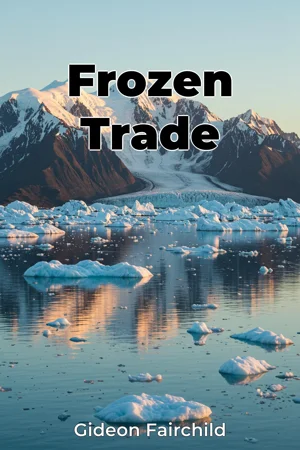
"Frozen Trade" examines the increasing economic activities in the Arctic and Antarctic and their impact on the environment and indigenous communities. The book highlights the critical balance between economic development, ecological preservation, and social justice in these fragile polar zones. It explores how industries like fishing, mining, and tourism are reshaping these regions, emphasizing the need for sustainable practices and equitable benefits for local communities. A key insight reveals the tension between short-term economic gains and the long-term ecological consequences, including the impact on the global climate system. The book takes a systematic approach, beginning with an introduction to the unique ecosystems and indigenous cultures of the Arctic and Antarctic. It then delves into detailed analyses of the fishing, mining, and tourism sectors, assessing their economic contributions alongside their environmental and social costs. By integrating scientific reports, economic analyses, and ethnographic studies, "Frozen Trade" provides a holistic understanding of the factors influencing these regions. The book advocates for a shift towards responsible, community-led development that prioritizes environmental protection and social equity, offering valuable insights for policymakers and concerned citizens alike.
Book Details
ISBN
9788235251084
Publisher
Publifye AS
Your Licenses
You don't own any licenses for this book
Purchase a license below to unlock this book and download the EPUB.
Purchase License
Select a tier to unlock this book
Need bulk licensing?
Contact us for enterprise agreements.