
About This Book
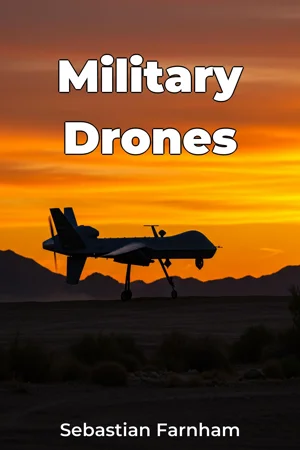
Can a technology initially conceived for target practice revolutionize modern warfare? "Military Drones" delves into the multifaceted evolution and impact of unmanned aerial vehicles (UAVs) on contemporary military strategies, examining their transformative role in reconnaissance, targeted strikes, and the very nature of combat. Understanding the rise of drone warfare is crucial for anyone seeking to comprehend the shifting dynamics of global conflict and the ethical quandaries that accompany them. This book explores the historical trajectory, technological advancements, and strategic implications of military drones, providing a comprehensive analysis of their current and future impact. This book contextualizes the development of military drones within the broader history of aerial warfare and technological innovation. It traces the evolution from rudimentary remotely piloted aircraft to the sophisticated, sensor-laden UAVs of today. Crucial to understanding this evolution is recognizing the interplay between technological advancements, military doctrine, and geopolitical factors. The book argues that the integration of drones into military operations represents a paradigm shift, altering traditional concepts of risk, engagement, and the very definition of a soldier. "Military Drones" is structured to provide a comprehensive understanding of the subject. The book begins by introducing the fundamental technologies underpinning UAVs, including sensor systems, communication networks, and autonomous flight control. It dedicates significant attention to the ethical and legal considerations surrounding drone warfare, exploring issues such as civilian casualties, the erosion of accountability, and the potential for autonomous weapons systems. Further chapters detail the practical applications of drones in various military contexts, from border patrol and counterterrorism operations to large-scale conventional conflicts. It includes case studies of drone usage in Afghanistan, Iraq, and other conflict zones. The book culminates by assessing the future trajectory of drone technology and its potential impact on international security, including discussions on counter-drone technologies and the proliferation of UAVs to non-state actors. The analysis presented relies on a range of evidence, including military reports, technological specifications, policy documents, and scholarly research. Interviews with military personnel, drone operators, and experts in the field provide firsthand accounts and diverse perspectives on the impact of drones. This book connects to the fields of international relations, ethics, and technology studies, offering insights into the intersection of war, technology, and morality. It provides a unique perspective by analyzing the psychological impact of drone warfare on both combatants and civilian populations. The book adopts a fact-based, analytical approach, presenting information in a clear and accessible style suitable for a broad audience. It is targeted towards military professionals, policymakers, students of international relations, and anyone interested in understanding the evolving landscape of modern warfare. "Military Drones" adheres to the conventions of military history and technology writing, providing accurate and detailed information supported by credible sources. While the book aims to provide a comprehensive overview of military drones, it acknowledges the limitations of accessing classified information and the rapidly evolving nature of the technology. The information can be used to inform policy decisions, military strategy, and public discourse on the ethical implications of drone warfare. The book also addresses ongoing debates surrounding the legality and morality of targeted killings, the potential for unintended consequences, and the need for greater transparency and accountability in the use of drone technology.
Can a technology initially conceived for target practice revolutionize modern warfare? "Military Drones" delves into the multifaceted evolution and impact of unmanned aerial vehicles (UAVs) on contemporary military strategies, examining their transformative role in reconnaissance, targeted strikes, and the very nature of combat. Understanding the rise of drone warfare is crucial for anyone seeking to comprehend the shifting dynamics of global conflict and the ethical quandaries that accompany them. This book explores the historical trajectory, technological advancements, and strategic implications of military drones, providing a comprehensive analysis of their current and future impact. This book contextualizes the development of military drones within the broader history of aerial warfare and technological innovation. It traces the evolution from rudimentary remotely piloted aircraft to the sophisticated, sensor-laden UAVs of today. Crucial to understanding this evolution is recognizing the interplay between technological advancements, military doctrine, and geopolitical factors. The book argues that the integration of drones into military operations represents a paradigm shift, altering traditional concepts of risk, engagement, and the very definition of a soldier. "Military Drones" is structured to provide a comprehensive understanding of the subject. The book begins by introducing the fundamental technologies underpinning UAVs, including sensor systems, communication networks, and autonomous flight control. It dedicates significant attention to the ethical and legal considerations surrounding drone warfare, exploring issues such as civilian casualties, the erosion of accountability, and the potential for autonomous weapons systems. Further chapters detail the practical applications of drones in various military contexts, from border patrol and counterterrorism operations to large-scale conventional conflicts. It includes case studies of drone usage in Afghanistan, Iraq, and other conflict zones. The book culminates by assessing the future trajectory of drone technology and its potential impact on international security, including discussions on counter-drone technologies and the proliferation of UAVs to non-state actors. The analysis presented relies on a range of evidence, including military reports, technological specifications, policy documents, and scholarly research. Interviews with military personnel, drone operators, and experts in the field provide firsthand accounts and diverse perspectives on the impact of drones. This book connects to the fields of international relations, ethics, and technology studies, offering insights into the intersection of war, technology, and morality. It provides a unique perspective by analyzing the psychological impact of drone warfare on both combatants and civilian populations. The book adopts a fact-based, analytical approach, presenting information in a clear and accessible style suitable for a broad audience. It is targeted towards military professionals, policymakers, students of international relations, and anyone interested in understanding the evolving landscape of modern warfare. "Military Drones" adheres to the conventions of military history and technology writing, providing accurate and detailed information supported by credible sources. While the book aims to provide a comprehensive overview of military drones, it acknowledges the limitations of accessing classified information and the rapidly evolving nature of the technology. The information can be used to inform policy decisions, military strategy, and public discourse on the ethical implications of drone warfare. The book also addresses ongoing debates surrounding the legality and morality of targeted killings, the potential for unintended consequences, and the need for greater transparency and accountability in the use of drone technology.
"Military Drones" explores the profound impact of unmanned aerial vehicles (UAVs) on modern military strategy. From reconnaissance to targeted strikes, drone warfare has reshaped combat, raising critical ethical questions. The book examines how a technology initially used for simple target practice has evolved into a cornerstone of contemporary military operations, altering traditional concepts of risk and engagement. For example, drones allow for persistent surveillance, providing real-time intelligence that was previously unattainable. The book traces the historical development of military drones, highlighting key technological advancements and their strategic implications. It dedicates significant attention to the ethical and legal dilemmas surrounding their use, such as civilian casualties and the potential for autonomous weapons. Through case studies from Afghanistan, Iraq, and other conflict zones, the book demonstrates the diverse applications of drones, from border patrol to counterterrorism. The book progresses systematically, beginning with the fundamental technologies and culminating in an assessment of the future of drone technology and its impact on international security.
Book Details
ISBN
9788235251077
Publisher
Publifye AS
Your Licenses
You don't own any licenses for this book
Purchase a license below to unlock this book and download the EPUB.
Purchase License
Select a tier to unlock this book
Need bulk licensing?
Contact us for enterprise agreements.