
About This Book
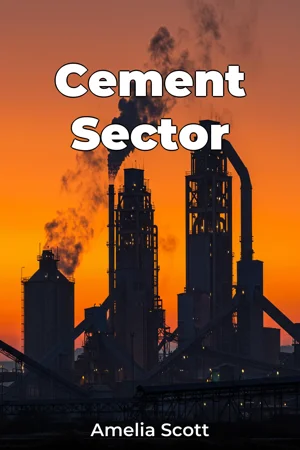
How can a seemingly mundane material like cement hold the key to understanding the trajectory of global development? This book, "Cement Sector," delves into the multifaceted role of cement production as a critical enabler of urbanization, infrastructure development, and the global construction industry. Cement's importance transcends its basic function as a binding agent; it fundamentally shapes the physical landscape of our world and exerts a powerful influence on economic growth. This book addresses the intricate relationship between cement production and societal progress by exploring key elements. First, it examines the technological advancements within the cement industry, from the evolution of production processes to the development of specialized cement types. Second, it analyzes the economics driving the global cement market, including supply chains, pricing dynamics, and the impact of regulatory policies. These topics are important because they reveal how technological innovation and economic forces interact to shape the availability, affordability, and environmental footprint of cement production. Historically, cement production has mirrored periods of intense construction activity, from the Roman Empire's reliance on pozzolanic concrete to the modern era's unprecedented urban expansion. Socially, access to adequate infrastructure, often dependent on cement, is a core determinant of quality of life. The book argues that the cement industry is not merely a supplier of material; it is a fundamental pillar supporting the global economy and influencing social development. The book's structure will first introduce the essential properties of cement and its historical significance. Moving forward, it will detail the technological landscape of modern cement production, examining processes such as clinker production, grinding, and the integration of alternative materials. Then, the book will address the economic dimensions, with specific chapters dedicated to market analysis, cost structures, and the impact of international trade. The culmination of the argument demonstrates how innovations in cement technology and shifts in the global economy are creating a more sustainable and efficient industry. The conclusion focuses on practical implications for policymakers, construction professionals, and investors. Evidence presented will include statistical data on cement production and consumption from organizations like the World Cement Association and national geological surveys. Furthermore, case studies of infrastructure projects worldwide will illustrate the practical applications of cement in diverse environments. We will also incorporate analysis of technological patents and research publications related to cement production. Interdisciplinary connections are key to understanding the broader impact of the cement sector. First, environmental science informs the discussion around reducing the carbon footprint of cement production. Second, civil engineering principles dictate the optimal use of cement in construction projects. Third, economics helps us understand the global market dynamics that determine cement supply and demand. This book offers a unique perspective by integrating technological, economic, and environmental considerations into a comprehensive analysis of the cement sector. By exploring innovations in cement technology, it provides insights into creating a more sustainable and efficient industry. The tone is fact-based and analytical, presented in a clear and accessible style to reach a wide audience interested in technology, economics, and sustainable development. The target audience includes students and researchers in engineering, economics, and environmental science. The book is also valuable for professionals in the construction industry, policymakers, and investors seeking to understand the dynamics of the cement sector. As a work of non-fiction, the book adheres to the conventions of academic rigor, providing detailed citations and thorough analysis to support its claims. The scope of the book is global, encompassing cement production and consumption patterns across various regions. However, it acknowledges limitations in providing hyper-specific details for every local market. The information presented can be applied practically to improve construction practices, inform investment decisions, and develop effective environmental policies. One area of ongoing debate addressed is the tension between the increasing demand for cement in developing countries and the need to reduce carbon emissions from cement production. The book examines proposed solutions, such as carbon capture technologies and the use of alternative cementitious materials, while acknowledging the challenges of implementing these solutions on a global scale.
How can a seemingly mundane material like cement hold the key to understanding the trajectory of global development? This book, "Cement Sector," delves into the multifaceted role of cement production as a critical enabler of urbanization, infrastructure development, and the global construction industry. Cement's importance transcends its basic function as a binding agent; it fundamentally shapes the physical landscape of our world and exerts a powerful influence on economic growth. This book addresses the intricate relationship between cement production and societal progress by exploring key elements. First, it examines the technological advancements within the cement industry, from the evolution of production processes to the development of specialized cement types. Second, it analyzes the economics driving the global cement market, including supply chains, pricing dynamics, and the impact of regulatory policies. These topics are important because they reveal how technological innovation and economic forces interact to shape the availability, affordability, and environmental footprint of cement production. Historically, cement production has mirrored periods of intense construction activity, from the Roman Empire's reliance on pozzolanic concrete to the modern era's unprecedented urban expansion. Socially, access to adequate infrastructure, often dependent on cement, is a core determinant of quality of life. The book argues that the cement industry is not merely a supplier of material; it is a fundamental pillar supporting the global economy and influencing social development. The book's structure will first introduce the essential properties of cement and its historical significance. Moving forward, it will detail the technological landscape of modern cement production, examining processes such as clinker production, grinding, and the integration of alternative materials. Then, the book will address the economic dimensions, with specific chapters dedicated to market analysis, cost structures, and the impact of international trade. The culmination of the argument demonstrates how innovations in cement technology and shifts in the global economy are creating a more sustainable and efficient industry. The conclusion focuses on practical implications for policymakers, construction professionals, and investors. Evidence presented will include statistical data on cement production and consumption from organizations like the World Cement Association and national geological surveys. Furthermore, case studies of infrastructure projects worldwide will illustrate the practical applications of cement in diverse environments. We will also incorporate analysis of technological patents and research publications related to cement production. Interdisciplinary connections are key to understanding the broader impact of the cement sector. First, environmental science informs the discussion around reducing the carbon footprint of cement production. Second, civil engineering principles dictate the optimal use of cement in construction projects. Third, economics helps us understand the global market dynamics that determine cement supply and demand. This book offers a unique perspective by integrating technological, economic, and environmental considerations into a comprehensive analysis of the cement sector. By exploring innovations in cement technology, it provides insights into creating a more sustainable and efficient industry. The tone is fact-based and analytical, presented in a clear and accessible style to reach a wide audience interested in technology, economics, and sustainable development. The target audience includes students and researchers in engineering, economics, and environmental science. The book is also valuable for professionals in the construction industry, policymakers, and investors seeking to understand the dynamics of the cement sector. As a work of non-fiction, the book adheres to the conventions of academic rigor, providing detailed citations and thorough analysis to support its claims. The scope of the book is global, encompassing cement production and consumption patterns across various regions. However, it acknowledges limitations in providing hyper-specific details for every local market. The information presented can be applied practically to improve construction practices, inform investment decisions, and develop effective environmental policies. One area of ongoing debate addressed is the tension between the increasing demand for cement in developing countries and the need to reduce carbon emissions from cement production. The book examines proposed solutions, such as carbon capture technologies and the use of alternative cementitious materials, while acknowledging the challenges of implementing these solutions on a global scale.
"Cement Sector" explores the critical role of cement in urbanization, infrastructure development, and the global construction industry. Going beyond its basic function, the book highlights how cement shapes our physical world and profoundly impacts economic growth. One intriguing aspect is the technological evolution within cement production, from process advancements to specialized cement types. Another key area is the economics of the global cement market, including supply chains and pricing, revealing how innovation and economic forces influence cement's availability and environmental footprint. The book examines cement's essential properties and historical significance, tracing its use from ancient Rome to modern urban expansion. It then details the technological landscape, including clinker production and alternative materials, before delving into economic dimensions like market analysis and international trade. Ultimately, the book demonstrates how innovations in cement technology and shifts in the global economy are creating a more sustainable, efficient industry, offering insights for policymakers and investors.
Book Details
ISBN
9788235250995
Publisher
Publifye AS
Your Licenses
You don't own any licenses for this book
Purchase a license below to unlock this book and download the EPUB.
Purchase License
Select a tier to unlock this book
Need bulk licensing?
Contact us for enterprise agreements.