
About This Book
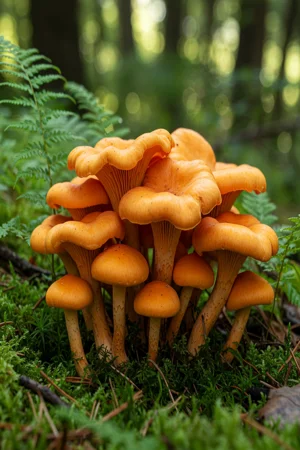
Have you ever considered the profound knowledge our ancestors possessed about the natural world and their reliance on it for survival? "Wild Foraging" delves into the rich history of human interaction with the plant kingdom, exploring how societies across the globe have depended on wild plants, mushrooms, and herbs for sustenance, medicine, and crafting materials. This book examines the historical tapestry of foraging practices, the ecological understanding that underpinned them, and the enduring relevance of these skills in the modern world. We will explore three key areas: the historical methods of plant identification and harvesting, the cultural significance of foraging in different societies, and the ecological impact of human foraging practices. Understanding these aspects is crucial for appreciating the intricate relationship between humans and the environment throughout history and the importance of sustainable practices today. The book provides a chronological journey, beginning with Paleolithic hunter-gatherer societies and their intimate knowledge of edible and medicinal plants. It then examines the role of foraging in the development of agriculture and the persistence of wild plant use in settled societies. We also consider the impact of colonization and globalization on traditional foraging practices, and the contemporary resurgence of interest in foraging for food security, health, and recreation. The central argument of "Wild Foraging" is that foraging is not merely a primitive survival skill, but a sophisticated system of ecological knowledge and cultural practice that holds valuable lessons for sustainable living in the 21st century. By understanding the historical context of foraging, we can develop a more informed and responsible approach to interacting with the natural world. The book is structured into three parts. The first section lays the groundwork by introducing the fundamental principles of plant identification, ethical harvesting, and the historical context of foraging. The second segment explores case studies from different regions of the world, illustrating the diverse ways in which societies have utilized wild plants. These examples include the use of medicinal herbs in traditional Chinese medicine, the role of wild mushrooms in indigenous diets of North America, and the crafting of textiles from foraged plant fibers in South America. The final section synthesizes the information presented, offering practical insights for contemporary foragers and advocating for the sustainable management of wild plant resources. Support for the book's arguments comes from a variety of sources, including archaeological records, ethnobotanical studies, historical texts, and contemporary scientific research. We will draw upon original field notes from early explorers and anthropologists, as well as recent studies on plant ecology and the nutritional value of wild foods. Additionally, traditional knowledge shared by indigenous communities will be highlighted, with appropriate cultural sensitivity and respect. "Wild Foraging" connects to various disciplines, including anthropology, botany, ecology, and nutrition. By integrating these perspectives, the book offers a holistic understanding of the human-plant relationship. This interdisciplinary approach enriches the narrative and strengthens the book's central argument. What distinguishes this book is its emphasis on the historical evolution of foraging practices and its focus on the cultural and ecological dimensions of this ancient skill. Rather than simply providing a field guide to edible plants, "Wild Foraging" offers a comprehensive exploration of the human experience of foraging throughout time and its relevance to modern sustainability challenges. This book is written in an accessible yet scholarly style, designed to engage a broad audience of readers. It is intended for anyone interested in history, nature, sustainable living, or the culinary arts. The book will be valuable to students, researchers, and anyone seeking a deeper understanding of the human connection to the natural world. As a work of history and nature writing, "Wild Foraging" adheres to the conventions of non-fiction, emphasizing accuracy, objectivity, and thorough research. While covering a broad range of geographical regions and historical periods, the book does not aim to be an exhaustive encyclopedia of all foraging practices. Instead, it offers a selective overview of key themes and case studies that illustrate the central argument. The information presented in "Wild Foraging" has practical applications for readers interested in learning about edible and medicinal plants in their own regions. However, it is crucial to emphasize the importance of responsible foraging practices, including proper plant identification, respect for private property, and adherence to local regulations. While the benefits of foraging for food security and health are widely recognized, there are also ongoing debates about the sustainability of large-scale wild harvesting and the potential impact on plant populations. These debates will be addressed in the book, with a focus on promoting ethical and responsible foraging practices.
Have you ever considered the profound knowledge our ancestors possessed about the natural world and their reliance on it for survival? "Wild Foraging" delves into the rich history of human interaction with the plant kingdom, exploring how societies across the globe have depended on wild plants, mushrooms, and herbs for sustenance, medicine, and crafting materials. This book examines the historical tapestry of foraging practices, the ecological understanding that underpinned them, and the enduring relevance of these skills in the modern world. We will explore three key areas: the historical methods of plant identification and harvesting, the cultural significance of foraging in different societies, and the ecological impact of human foraging practices. Understanding these aspects is crucial for appreciating the intricate relationship between humans and the environment throughout history and the importance of sustainable practices today. The book provides a chronological journey, beginning with Paleolithic hunter-gatherer societies and their intimate knowledge of edible and medicinal plants. It then examines the role of foraging in the development of agriculture and the persistence of wild plant use in settled societies. We also consider the impact of colonization and globalization on traditional foraging practices, and the contemporary resurgence of interest in foraging for food security, health, and recreation. The central argument of "Wild Foraging" is that foraging is not merely a primitive survival skill, but a sophisticated system of ecological knowledge and cultural practice that holds valuable lessons for sustainable living in the 21st century. By understanding the historical context of foraging, we can develop a more informed and responsible approach to interacting with the natural world. The book is structured into three parts. The first section lays the groundwork by introducing the fundamental principles of plant identification, ethical harvesting, and the historical context of foraging. The second segment explores case studies from different regions of the world, illustrating the diverse ways in which societies have utilized wild plants. These examples include the use of medicinal herbs in traditional Chinese medicine, the role of wild mushrooms in indigenous diets of North America, and the crafting of textiles from foraged plant fibers in South America. The final section synthesizes the information presented, offering practical insights for contemporary foragers and advocating for the sustainable management of wild plant resources. Support for the book's arguments comes from a variety of sources, including archaeological records, ethnobotanical studies, historical texts, and contemporary scientific research. We will draw upon original field notes from early explorers and anthropologists, as well as recent studies on plant ecology and the nutritional value of wild foods. Additionally, traditional knowledge shared by indigenous communities will be highlighted, with appropriate cultural sensitivity and respect. "Wild Foraging" connects to various disciplines, including anthropology, botany, ecology, and nutrition. By integrating these perspectives, the book offers a holistic understanding of the human-plant relationship. This interdisciplinary approach enriches the narrative and strengthens the book's central argument. What distinguishes this book is its emphasis on the historical evolution of foraging practices and its focus on the cultural and ecological dimensions of this ancient skill. Rather than simply providing a field guide to edible plants, "Wild Foraging" offers a comprehensive exploration of the human experience of foraging throughout time and its relevance to modern sustainability challenges. This book is written in an accessible yet scholarly style, designed to engage a broad audience of readers. It is intended for anyone interested in history, nature, sustainable living, or the culinary arts. The book will be valuable to students, researchers, and anyone seeking a deeper understanding of the human connection to the natural world. As a work of history and nature writing, "Wild Foraging" adheres to the conventions of non-fiction, emphasizing accuracy, objectivity, and thorough research. While covering a broad range of geographical regions and historical periods, the book does not aim to be an exhaustive encyclopedia of all foraging practices. Instead, it offers a selective overview of key themes and case studies that illustrate the central argument. The information presented in "Wild Foraging" has practical applications for readers interested in learning about edible and medicinal plants in their own regions. However, it is crucial to emphasize the importance of responsible foraging practices, including proper plant identification, respect for private property, and adherence to local regulations. While the benefits of foraging for food security and health are widely recognized, there are also ongoing debates about the sustainability of large-scale wild harvesting and the potential impact on plant populations. These debates will be addressed in the book, with a focus on promoting ethical and responsible foraging practices.
"Wild Foraging" explores the deep-rooted history of humanity's connection with the natural world through foraging. It examines how different societies have historically relied on wild plants for food, medicine, and materials, highlighting the ecological knowledge that underpinned these practices. The book emphasizes that foraging is more than just a primitive skill; it's a sophisticated system of ecological understanding and cultural practice essential for sustainable living. Did you know that Paleolithic societies possessed an intimate knowledge of edible and medicinal plants, forming the basis of early diets and healthcare? Or that traditional Chinese medicine has deep roots in the use of foraged medicinal herbs? The book journeys chronologically, starting with hunter-gatherer societies and moving through the development of agriculture to the impact of globalization on foraging. It also looks at the modern resurgence of interest in foraging. Through case studies from various regions, "Wild Foraging" illustrates the diverse ways societies have utilized wild plants, from crafting textiles to incorporating wild mushrooms into indigenous diets. It's unique in its historical perspective, focusing on the evolution of foraging and its cultural and ecological dimensions. The book progresses by first introducing plant identification and ethical harvesting, then exploring case studies, and finally offering practical insights for contemporary foragers.
Book Details
ISBN
9788235250599
Publisher
Publifye AS
Your Licenses
You don't own any licenses for this book
Purchase a license below to unlock this book and download the EPUB.
Purchase License
Select a tier to unlock this book
Need bulk licensing?
Contact us for enterprise agreements.