
About This Book
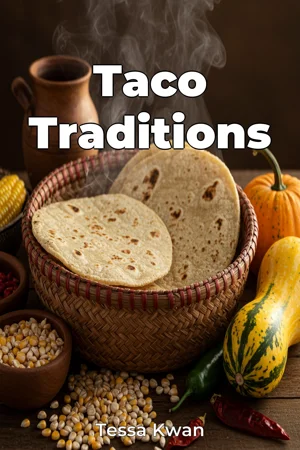
Have you ever wondered about the true origins of the taco, a food now celebrated globally? "Taco Traditions" delves into the rich and complex history of the taco, exploring its evolution from pre-Columbian ingredients and culinary practices to its modern variations, shaped significantly by Spanish influences and ongoing regional innovations. This book examines the taco not just as a recipe, but as a cultural artifact, reflecting centuries of culinary adaptation and exchange. This book addresses key topics: the indigenous roots of the taco, the transformative impact of Spanish colonization on Mexican cuisine and specifically the taco, and the regional diversifications that have resulted in the vast array of tacos enjoyed today. These subjects are important because understanding the taco's past provides insights into Mexican identity, cultural fusion, and the dynamic nature of food traditions. To fully appreciate the taco's journey, we will explore the culinary landscape of pre-Columbian Mexico, highlighting the importance of corn, beans, and native proteins. We will examine the arrival of the Spanish and the introduction of new ingredients like pork, beef, wheat, and dairy products. The reader needs no prior expertise, as the book provides all necessary historical and culinary context. Our central argument is that the taco is not a static dish but a continually evolving expression of Mexican culinary heritage, reflecting both indigenous resilience and the ongoing integration of foreign influences. Furthermore, we assert that the regional variations of the taco are not merely differences in filling, but represent distinct cultural identities and adaptations to local resources. "Taco Traditions" is structured to guide readers through this fascinating evolution. The book begins by introducing pre-Columbian foodways and the significance of the tortilla as a foundational element. The second section details the Spanish arrival, the Columbian Exchange, and the introduction of new ingredients and cooking techniques. The third section explores regional taco variations, examining specific examples from across Mexico, such as tacos al pastor, carnitas, and fish tacos, highlighting their unique histories and ingredients. Finally, the book culminates by articulating the taco's ongoing evolution and its role as a symbol of Mexican cultural identity in a globalized world. Practical applications include understanding the cultural significance behind specific ingredients and preparations, enhancing appreciation for the diversity and authenticity of Mexican cuisine. The book relies on a range of evidence, including archaeological findings related to early food preparation, historical accounts from the colonial period, culinary anthropology studies, and contemporary interviews with taco vendors and chefs across Mexico. Unique data sources include digitized versions of early Mexican cookbooks and menus, providing a glimpse into historical food trends. "Taco Traditions" connects to fields such as anthropology, through its exploration of cultural foodways; history, via the examination of colonial influences; and sociology, by addressing themes of identity and globalization. These interdisciplinary connections enrich the book's argument by demonstrating the multifaceted nature of food traditions. "Taco Traditions" offers a unique perspective by viewing the taco not merely as a recipe to be replicated but as a dynamic historical artifact. It uses food as a lens through which to view the history of cultural interaction, resilience, and innovation in Mexico. The book employs a narrative non-fiction style, blending historical research with vivid descriptions of food and culinary practices. It aims to be both informative and engaging, making the subject matter accessible to a broad audience. The target audience includes food enthusiasts, culinary students, history buffs, and anyone interested in Mexican culture. The book would be valuable to them by providing a deeper understanding of a beloved dish and its significance within Mexican society. As a work of culinary history, "Taco Traditions" adheres to the genre's emphasis on factual accuracy, thorough research, and historical context. It also incorporates elements of food writing, with descriptive passages that evoke the sensory experience of tasting and preparing tacos. The book's scope is limited to the historical and cultural evolution of the taco within Mexico, with only brief mentions of its globalization. This focus allows for a deeper exploration of the taco's Mexican roots. The information in "Taco Traditions" can be applied practically by readers seeking to understand the cultural significance behind specific ingredients and preparations. It also offers insights for chefs and food entrepreneurs looking to create authentic and innovative taco offerings. While the book does not delve into heated debates, it acknowledges varying opinions regarding the "authenticity" of certain taco variations, presenting different perspectives without taking a definitive position.
Have you ever wondered about the true origins of the taco, a food now celebrated globally? "Taco Traditions" delves into the rich and complex history of the taco, exploring its evolution from pre-Columbian ingredients and culinary practices to its modern variations, shaped significantly by Spanish influences and ongoing regional innovations. This book examines the taco not just as a recipe, but as a cultural artifact, reflecting centuries of culinary adaptation and exchange. This book addresses key topics: the indigenous roots of the taco, the transformative impact of Spanish colonization on Mexican cuisine and specifically the taco, and the regional diversifications that have resulted in the vast array of tacos enjoyed today. These subjects are important because understanding the taco's past provides insights into Mexican identity, cultural fusion, and the dynamic nature of food traditions. To fully appreciate the taco's journey, we will explore the culinary landscape of pre-Columbian Mexico, highlighting the importance of corn, beans, and native proteins. We will examine the arrival of the Spanish and the introduction of new ingredients like pork, beef, wheat, and dairy products. The reader needs no prior expertise, as the book provides all necessary historical and culinary context. Our central argument is that the taco is not a static dish but a continually evolving expression of Mexican culinary heritage, reflecting both indigenous resilience and the ongoing integration of foreign influences. Furthermore, we assert that the regional variations of the taco are not merely differences in filling, but represent distinct cultural identities and adaptations to local resources. "Taco Traditions" is structured to guide readers through this fascinating evolution. The book begins by introducing pre-Columbian foodways and the significance of the tortilla as a foundational element. The second section details the Spanish arrival, the Columbian Exchange, and the introduction of new ingredients and cooking techniques. The third section explores regional taco variations, examining specific examples from across Mexico, such as tacos al pastor, carnitas, and fish tacos, highlighting their unique histories and ingredients. Finally, the book culminates by articulating the taco's ongoing evolution and its role as a symbol of Mexican cultural identity in a globalized world. Practical applications include understanding the cultural significance behind specific ingredients and preparations, enhancing appreciation for the diversity and authenticity of Mexican cuisine. The book relies on a range of evidence, including archaeological findings related to early food preparation, historical accounts from the colonial period, culinary anthropology studies, and contemporary interviews with taco vendors and chefs across Mexico. Unique data sources include digitized versions of early Mexican cookbooks and menus, providing a glimpse into historical food trends. "Taco Traditions" connects to fields such as anthropology, through its exploration of cultural foodways; history, via the examination of colonial influences; and sociology, by addressing themes of identity and globalization. These interdisciplinary connections enrich the book's argument by demonstrating the multifaceted nature of food traditions. "Taco Traditions" offers a unique perspective by viewing the taco not merely as a recipe to be replicated but as a dynamic historical artifact. It uses food as a lens through which to view the history of cultural interaction, resilience, and innovation in Mexico. The book employs a narrative non-fiction style, blending historical research with vivid descriptions of food and culinary practices. It aims to be both informative and engaging, making the subject matter accessible to a broad audience. The target audience includes food enthusiasts, culinary students, history buffs, and anyone interested in Mexican culture. The book would be valuable to them by providing a deeper understanding of a beloved dish and its significance within Mexican society. As a work of culinary history, "Taco Traditions" adheres to the genre's emphasis on factual accuracy, thorough research, and historical context. It also incorporates elements of food writing, with descriptive passages that evoke the sensory experience of tasting and preparing tacos. The book's scope is limited to the historical and cultural evolution of the taco within Mexico, with only brief mentions of its globalization. This focus allows for a deeper exploration of the taco's Mexican roots. The information in "Taco Traditions" can be applied practically by readers seeking to understand the cultural significance behind specific ingredients and preparations. It also offers insights for chefs and food entrepreneurs looking to create authentic and innovative taco offerings. While the book does not delve into heated debates, it acknowledges varying opinions regarding the "authenticity" of certain taco variations, presenting different perspectives without taking a definitive position.
"Taco Traditions" explores the fascinating history of the taco, revealing its journey from pre-Columbian roots to its diverse modern forms. This culinary exploration highlights how the taco, far from being a static dish, is a dynamic expression of Mexican heritage. The book uncovers intriguing facts, such as the crucial role of corn in the taco's early development and the transformative impact of Spanish ingredients like pork and wheat. It examines the taco not merely as a recipe, but as a cultural artifact reflecting centuries of culinary adaptation and exchange. The book progresses chronologically, beginning with pre-Columbian foodways and the significance of the tortilla. It then details the Spanish arrival and the introduction of new ingredients, before exploring regional taco variations like tacos al pastor and carnitas. This approach allows readers to understand how the taco has evolved and diversified across different regions of Mexico. Ultimately, it showcases the taco's ongoing evolution and its role as a symbol of Mexican cultural identity in a globalized world.
Book Details
ISBN
9788235250520
Publisher
Publifye AS
Your Licenses
You don't own any licenses for this book
Purchase a license below to unlock this book and download the EPUB.
Purchase License
Select a tier to unlock this book
Need bulk licensing?
Contact us for enterprise agreements.