
About This Book
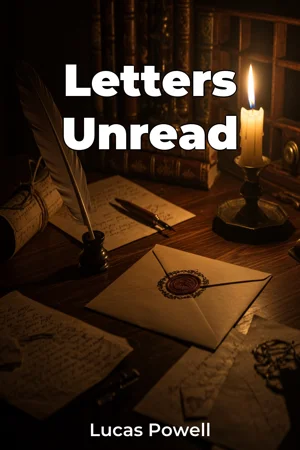
What if a letter, penned with the power to ignite a revolution, declare a love, or alter a nation’s course, never reached its intended recipient? "Letters Unread" delves into the captivating world of historical correspondence that suffered fates unforeseen – lost in transit, intentionally suppressed, or simply discovered centuries later, only to dramatically reshape our understanding of the past. This book explores the profound impact of these 'unread' missives, arguing that their absence and eventual presence represent pivotal moments where history hung in the balance. We examine the journeys of crucial communications and their effect on significant historical events. The book focuses on how lost or delayed letters influenced political decisions, personal relationships, and artistic endeavors. Why does it matter? Because these intercepted, misplaced, or forgotten letters reveal the fragility of communication and the unforeseen consequences of its disruption, forcing us to reconsider established narratives. "Letters Unread" provides the historical and social context for understanding these unread letters. We present the postal systems of the past, the role of censorship in different eras, and the social conventions surrounding correspondence. The central argument is that the very failure of these letters to reach their destinations illuminates the contingency of history; seemingly small disruptions in communication can lead to enormous changes. The book is structured as a journey through distinct historical periods and thematic areas. We begin by introducing the concept of the 'unread letter,' establishing its significance as a historical artifact. The first section will explore letters lost to circumstance – shipwrecks, natural disasters, or simple human error – examining cases where delayed or undelivered correspondence altered battle plans during wartime and the impact of thwarted communications on diplomatic relations. The second section will address intentional suppression, the censoring, or hiding of letters for political or personal gain. This will include examples of intercepted communications during times of conflict, and the impact of hidden correspondence on social movements. The third section will look at letters discovered long after they were written, analyzing their belated impact on historical understanding. The evidence presented in "Letters Unread" is drawn from a range of primary sources: original letters, archival documents, and historical records. The research employs a multidisciplinary approach, drawing on historical analysis, literary criticism, and communication studies. The book connects to political science, sociology, and literary theory by exploring themes of power, social control, and interpretation. "Letters Unread" offers a fresh perspective by examining historical events through the lens of failed communication. Rather than focusing solely on the content of famous letters, the book analyzes the ramifications of their absence or delayed arrival, offering a unique viewpoint on historical occurrences. The writing style balances scholarly rigor with engaging storytelling, making the subject accessible to a broad audience. This book appeals to history enthusiasts, literary scholars, and anyone interested in the power of communication. It also speaks to readers interested in true stories and the "what ifs" of history. As a work of literary essays and history, it presents the material academically while maintaining a general reading audience. The scope of "Letters Unread" is broad, encompassing examples from various eras and regions. However, it deliberately focuses on letters with demonstrable historical impact, rather than attempting an exhaustive catalog of lost correspondence. The book is relevant to those interested in the history of communication, the impact of technology on society, and the power of information. It also touches upon issues of privacy, censorship, and the ethical implications of interfering with personal communication. While the book focuses on the past, it implicitly raises questions about the nature of communication in the digital age. The ease and speed of modern communication can lead to a false sense of security, ignoring the potential for miscommunication, interception, and manipulation. "Letters Unread" confronts the complexities of historical interpretation, exploring the debates surrounding the meaning and significance of these often-fragmentary sources. The book presents a balanced view, acknowledging the challenges of reconstructing historical events based on incomplete information.
What if a letter, penned with the power to ignite a revolution, declare a love, or alter a nation’s course, never reached its intended recipient? "Letters Unread" delves into the captivating world of historical correspondence that suffered fates unforeseen – lost in transit, intentionally suppressed, or simply discovered centuries later, only to dramatically reshape our understanding of the past. This book explores the profound impact of these 'unread' missives, arguing that their absence and eventual presence represent pivotal moments where history hung in the balance. We examine the journeys of crucial communications and their effect on significant historical events. The book focuses on how lost or delayed letters influenced political decisions, personal relationships, and artistic endeavors. Why does it matter? Because these intercepted, misplaced, or forgotten letters reveal the fragility of communication and the unforeseen consequences of its disruption, forcing us to reconsider established narratives. "Letters Unread" provides the historical and social context for understanding these unread letters. We present the postal systems of the past, the role of censorship in different eras, and the social conventions surrounding correspondence. The central argument is that the very failure of these letters to reach their destinations illuminates the contingency of history; seemingly small disruptions in communication can lead to enormous changes. The book is structured as a journey through distinct historical periods and thematic areas. We begin by introducing the concept of the 'unread letter,' establishing its significance as a historical artifact. The first section will explore letters lost to circumstance – shipwrecks, natural disasters, or simple human error – examining cases where delayed or undelivered correspondence altered battle plans during wartime and the impact of thwarted communications on diplomatic relations. The second section will address intentional suppression, the censoring, or hiding of letters for political or personal gain. This will include examples of intercepted communications during times of conflict, and the impact of hidden correspondence on social movements. The third section will look at letters discovered long after they were written, analyzing their belated impact on historical understanding. The evidence presented in "Letters Unread" is drawn from a range of primary sources: original letters, archival documents, and historical records. The research employs a multidisciplinary approach, drawing on historical analysis, literary criticism, and communication studies. The book connects to political science, sociology, and literary theory by exploring themes of power, social control, and interpretation. "Letters Unread" offers a fresh perspective by examining historical events through the lens of failed communication. Rather than focusing solely on the content of famous letters, the book analyzes the ramifications of their absence or delayed arrival, offering a unique viewpoint on historical occurrences. The writing style balances scholarly rigor with engaging storytelling, making the subject accessible to a broad audience. This book appeals to history enthusiasts, literary scholars, and anyone interested in the power of communication. It also speaks to readers interested in true stories and the "what ifs" of history. As a work of literary essays and history, it presents the material academically while maintaining a general reading audience. The scope of "Letters Unread" is broad, encompassing examples from various eras and regions. However, it deliberately focuses on letters with demonstrable historical impact, rather than attempting an exhaustive catalog of lost correspondence. The book is relevant to those interested in the history of communication, the impact of technology on society, and the power of information. It also touches upon issues of privacy, censorship, and the ethical implications of interfering with personal communication. While the book focuses on the past, it implicitly raises questions about the nature of communication in the digital age. The ease and speed of modern communication can lead to a false sense of security, ignoring the potential for miscommunication, interception, and manipulation. "Letters Unread" confronts the complexities of historical interpretation, exploring the debates surrounding the meaning and significance of these often-fragmentary sources. The book presents a balanced view, acknowledging the challenges of reconstructing historical events based on incomplete information.
"Letters Unread" explores the intriguing realm of historical correspondence that never reached its destination, examining how these lost, censored, or delayed missives profoundly shaped history. The book argues that the absence of these letters, often penned with the intent to spark revolution or declare love, represents pivotal moments where history teetered. Consider, for instance, how a delayed dispatch could alter battle plans or a suppressed letter could impact social movements. The book emphasizes that the failure of these communications illuminates the contingency of history, where seemingly minor disruptions could lead to significant changes. The book adopts a multidisciplinary approach, blending historical analysis, literary criticism, and communication studies to understand the impact of these unread communications. It delves into the postal systems of the past, the role of censorship, and social conventions surrounding historical correspondence to provide context. "Letters Unread" progresses through distinct historical periods and thematic areas, first introducing the concept of the 'unread letter' and then exploring letters lost to circumstance, intentional suppression, and those discovered long after they were written, each section revealing the unforeseen consequences of disrupted communication. By examining historical events through the unique lens of failed communication, "Letters Unread" offers a fresh perspective. Rather than focusing solely on the content of famous letters, it analyzes the ramifications of their absence or delayed arrival. The book highlights the fragility of communication and the unforeseen consequences of its disruption, prompting a reconsideration of established narratives and providing valuable insights into the history of communication.
Book Details
ISBN
9788235250025
Publisher
Publifye AS
Your Licenses
You don't own any licenses for this book
Purchase a license below to unlock this book and download the EPUB.
Purchase License
Select a tier to unlock this book
Need bulk licensing?
Contact us for enterprise agreements.