
About This Book
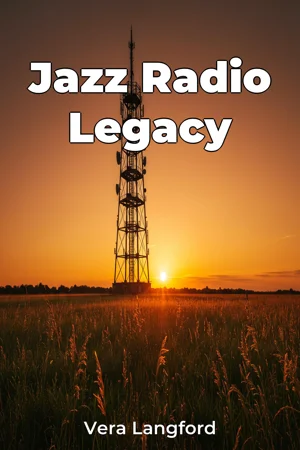
What if the vibrant sounds of jazz, a uniquely American art form, had faded into obscurity? "Jazz Radio Legacy" explores the crucial role radio broadcasting played in preserving, promoting, and shaping the global appreciation of jazz music. This book delves into the symbiotic relationship between jazz and radio, examining how this medium not only disseminated the music but also influenced its evolution and solidified its place in cultural history. The core of "Jazz Radio Legacy" rests on three interconnected pillars: the historical development of jazz radio, its impact on the genre's survival and evolution, and its significance in cultivating a worldwide audience for jazz. These topics are vital because they illuminate a largely unexamined chapter in both music and media history, revealing how technological advancements intertwined with artistic expression to create a lasting cultural phenomenon. Understanding this history is crucial for appreciating the current state of jazz and the ongoing debates surrounding its preservation and innovation. The book provides essential context by tracing the parallel trajectories of jazz music and radio technology from the early 20th century. It begins with the emergence of jazz in African American communities and the simultaneous rise of radio broadcasting as a mass medium. Readers will gain an understanding of the social, economic, and technological forces that shaped both phenomena, including the Jim Crow era, the growth of the recording industry, and the development of radio networks. The central argument of "Jazz Radio Legacy" posits that radio broadcasting acted as a vital lifeline for jazz, ensuring its survival during periods of changing musical tastes and commercial pressures. Radio not only provided a platform for jazz musicians to reach wider audiences but also fostered a sense of community among listeners, critics, and performers. This argument challenges the conventional narrative that often focuses solely on the recording industry or live performances as the primary drivers of jazz's popularity. "Jazz Radio Legacy" is structured to provide a comprehensive and engaging exploration of this topic. It opens by introducing the key figures and stations that championed jazz in the early days of radio, such as those broadcasting from historically Black colleges and universities. The book then examines how radio formats evolved to accommodate jazz, including the rise of big band broadcasts, swing music programming, and later, the development of dedicated jazz stations. Major points include the impact of network radio on popularizing jazz during the Swing Era, the role of independent stations in preserving bebop and other post-war styles, and the challenges faced by jazz radio in the age of television and rock and roll. The book culminates by analyzing the resurgence of jazz radio in the digital age, including the rise of streaming services and internet radio stations. It also examines the role of public radio in sustaining jazz music today. Practical implications are explored by examining how musicians, educators, and policymakers can learn from the history of jazz radio to promote and preserve this vital art form in the 21st century. The book draws upon a variety of sources, including archival recordings of radio broadcasts, oral histories of jazz musicians and radio personalities, industry publications, and academic research on media history and musicology. Unique data sources include listener surveys and program logs from various radio stations, providing a quantitative perspective on the popularity and reach of jazz radio. "Jazz Radio Legacy" makes interdisciplinary connections to fields such as media studies, African American history, and cultural studies. By examining the intersection of music, technology, and society, the book offers a richer understanding of the cultural forces that shaped the 20th century. Furthermore, the book’s exploration of radio’s role in shaping musical tastes also connects to the field of marketing and consumer behavior. This book offers a fresh perspective by focusing specifically on the role of radio in the history of jazz. While existing scholarship often touches on this topic, "Jazz Radio Legacy" provides the first comprehensive and in-depth analysis of the symbiotic relationship between jazz and radio as a specific area of study. Written in a clear and accessible style, "Jazz Radio Legacy" is aimed at a broad audience, including jazz enthusiasts, music historians, media scholars, and anyone interested in the cultural history of the 20th century. Readers will gain a deeper appreciation for the role of radio in shaping our musical landscape and the enduring legacy of jazz. Adhering to the conventions of non-fiction history, "Jazz Radio Legacy" presents a fact-based and thoroughly researched account of its subject. While the book aims to provide a comprehensive overview of jazz radio, it acknowledges certain limitations in scope. For example, it focuses primarily on the American experience, although it also touches on the global spread of jazz radio. The information presented in "Jazz Radio Legacy" has real-world applications for musicians, educators, and policymakers who are interested in preserving and promoting jazz music. They can use this historical knowledge to inform their efforts to engage new audiences and adapt to the changing media landscape. Finally, the book addresses ongoing debates about the role of radio in shaping musical tastes and the challenges faced by jazz in the digital age. By providing a historical perspective on these issues, "Jazz Radio Legacy" contributes to a more informed and nuanced understanding of the current state of jazz.
What if the vibrant sounds of jazz, a uniquely American art form, had faded into obscurity? "Jazz Radio Legacy" explores the crucial role radio broadcasting played in preserving, promoting, and shaping the global appreciation of jazz music. This book delves into the symbiotic relationship between jazz and radio, examining how this medium not only disseminated the music but also influenced its evolution and solidified its place in cultural history. The core of "Jazz Radio Legacy" rests on three interconnected pillars: the historical development of jazz radio, its impact on the genre's survival and evolution, and its significance in cultivating a worldwide audience for jazz. These topics are vital because they illuminate a largely unexamined chapter in both music and media history, revealing how technological advancements intertwined with artistic expression to create a lasting cultural phenomenon. Understanding this history is crucial for appreciating the current state of jazz and the ongoing debates surrounding its preservation and innovation. The book provides essential context by tracing the parallel trajectories of jazz music and radio technology from the early 20th century. It begins with the emergence of jazz in African American communities and the simultaneous rise of radio broadcasting as a mass medium. Readers will gain an understanding of the social, economic, and technological forces that shaped both phenomena, including the Jim Crow era, the growth of the recording industry, and the development of radio networks. The central argument of "Jazz Radio Legacy" posits that radio broadcasting acted as a vital lifeline for jazz, ensuring its survival during periods of changing musical tastes and commercial pressures. Radio not only provided a platform for jazz musicians to reach wider audiences but also fostered a sense of community among listeners, critics, and performers. This argument challenges the conventional narrative that often focuses solely on the recording industry or live performances as the primary drivers of jazz's popularity. "Jazz Radio Legacy" is structured to provide a comprehensive and engaging exploration of this topic. It opens by introducing the key figures and stations that championed jazz in the early days of radio, such as those broadcasting from historically Black colleges and universities. The book then examines how radio formats evolved to accommodate jazz, including the rise of big band broadcasts, swing music programming, and later, the development of dedicated jazz stations. Major points include the impact of network radio on popularizing jazz during the Swing Era, the role of independent stations in preserving bebop and other post-war styles, and the challenges faced by jazz radio in the age of television and rock and roll. The book culminates by analyzing the resurgence of jazz radio in the digital age, including the rise of streaming services and internet radio stations. It also examines the role of public radio in sustaining jazz music today. Practical implications are explored by examining how musicians, educators, and policymakers can learn from the history of jazz radio to promote and preserve this vital art form in the 21st century. The book draws upon a variety of sources, including archival recordings of radio broadcasts, oral histories of jazz musicians and radio personalities, industry publications, and academic research on media history and musicology. Unique data sources include listener surveys and program logs from various radio stations, providing a quantitative perspective on the popularity and reach of jazz radio. "Jazz Radio Legacy" makes interdisciplinary connections to fields such as media studies, African American history, and cultural studies. By examining the intersection of music, technology, and society, the book offers a richer understanding of the cultural forces that shaped the 20th century. Furthermore, the book’s exploration of radio’s role in shaping musical tastes also connects to the field of marketing and consumer behavior. This book offers a fresh perspective by focusing specifically on the role of radio in the history of jazz. While existing scholarship often touches on this topic, "Jazz Radio Legacy" provides the first comprehensive and in-depth analysis of the symbiotic relationship between jazz and radio as a specific area of study. Written in a clear and accessible style, "Jazz Radio Legacy" is aimed at a broad audience, including jazz enthusiasts, music historians, media scholars, and anyone interested in the cultural history of the 20th century. Readers will gain a deeper appreciation for the role of radio in shaping our musical landscape and the enduring legacy of jazz. Adhering to the conventions of non-fiction history, "Jazz Radio Legacy" presents a fact-based and thoroughly researched account of its subject. While the book aims to provide a comprehensive overview of jazz radio, it acknowledges certain limitations in scope. For example, it focuses primarily on the American experience, although it also touches on the global spread of jazz radio. The information presented in "Jazz Radio Legacy" has real-world applications for musicians, educators, and policymakers who are interested in preserving and promoting jazz music. They can use this historical knowledge to inform their efforts to engage new audiences and adapt to the changing media landscape. Finally, the book addresses ongoing debates about the role of radio in shaping musical tastes and the challenges faced by jazz in the digital age. By providing a historical perspective on these issues, "Jazz Radio Legacy" contributes to a more informed and nuanced understanding of the current state of jazz.
"Jazz Radio Legacy" explores the vital, yet often overlooked, connection between jazz music and radio broadcasting. This book highlights how radio served as a crucial platform for disseminating jazz, shaping its evolution and securing its place in American cultural history. Readers will discover how radio not only amplified the sounds of jazz across geographical boundaries but also fostered a sense of community among listeners, critics, and performers. For example, the book illuminates how historically Black colleges and universities utilized radio to champion this emerging art form. The book progresses chronologically, beginning with the parallel emergence of jazz and radio in the early 20th century. It examines the impact of network radio during the Swing Era and the role of independent stations in preserving bebop. By drawing on archival recordings, oral histories, and industry data, "Jazz Radio Legacy" offers a comprehensive and engaging look at the symbiotic relationship between jazz and radio, highlighting its enduring legacy in the digital age.
Book Details
ISBN
9788235249647
Publisher
Publifye AS
Your Licenses
You don't own any licenses for this book
Purchase a license below to unlock this book and download the EPUB.
Purchase License
Select a tier to unlock this book
Need bulk licensing?
Contact us for enterprise agreements.