
About This Book
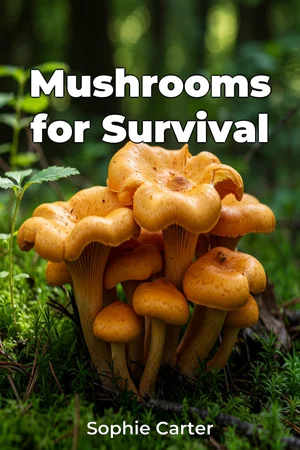
Can foraging for wild mushrooms provide a critical pathway towards more resilient food systems? "Mushrooms for Survival" delves into the multifaceted world of edible fungi, exploring their nutritional value, safe foraging practices, and potential as a vital component of alternative food solutions. This book addresses the increasing need for sustainable food sources by examining the often-overlooked potential of wild mushrooms. This book focuses on two core areas: the biology and nutritional value of edible mushrooms, and the practical techniques for identifying and foraging them safely. Supplementing these core tenets is the overarching theme that edible mushrooms can contribute significantly to local and resilient food systems, especially in times of crisis or resource scarcity. It contends that knowledge of mycology and responsible foraging practices are essential tools for individuals and communities seeking greater food security. Throughout history, humans have relied on wild foods during times of famine and hardship. Understanding how to identify, harvest, and prepare edible mushrooms remains a crucial survival skill, especially with growing concerns about climate change and global food supply chains. Readers require no prior expertise in mycology; the book provides the foundational knowledge necessary to begin a safe and informed journey into mushroom foraging. "Mushrooms for Survival" argues that incorporating wild mushrooms into our diets and food systems is not just a nostalgic or niche activity, but a potentially vital strategy for enhancing food security and promoting sustainable living. The book's objective is to empower readers with the information needed to confidently and responsibly integrate wild mushrooms into their lives. The book begins with an introduction to the fascinating world of fungi, explaining their classification, life cycles, and ecological roles. Following this foundational knowledge, the book dedicates significant sections to the identification of common edible mushroom species, highlighting key identifying characteristics and potential look-alikes that must be avoided. Detailed descriptions, photographs, and illustrations aid in accurate identification. Subsequently, sustainable foraging practices are discussed, emphasizing the importance of responsible harvesting to ensure the long-term health of mushroom populations and their ecosystems. The book then explores the nutritional benefits of various edible mushrooms, detailing their vitamin and mineral content, as well as their potential medicinal properties, supported by scientific research. Finally, "Mushrooms for Survival" examines the role of mushrooms in alternative food systems, including permaculture and urban foraging, and provides practical guidance on cultivating mushrooms at home, along with preparation and preservation techniques. Scientific literature on mycology and nutritional analysis forms the backbone of the information presented. Expert knowledge and data from field guides, mycological journals, and government reports are integrated throughout the book, with photographic evidence and case studies of successful mushroom foraging and cultivation initiatives. The book draws connections between biology, cooking, and environmental science. Understanding the biological processes of fungal growth informs sustainable harvesting techniques. Knowledge of the nutritional content of mushrooms enhances culinary applications. Consideration of ecological impacts ensures responsible foraging practices. It appeals to readers interested in cooking, mycology, biology, sustainable living, prepping, and alternative food systems. "Mushrooms for Survival" offers a practical and scientifically grounded approach to the subject, avoiding overly technical jargon and presenting information in an accessible and engaging manner. The tone aims to be informative, encouraging, and safety-conscious. The primary audience includes nature enthusiasts, foragers, survivalists, gardeners, cooks, and anyone interested in learning more about sustainable food sources. This book offers value to readers seeking to expand their knowledge of natural resources and enhance their self-sufficiency. As a non-fiction book, this work adheres to the genre's emphasis on accuracy, objectivity, and evidence-based information. Claims are backed by research and cited appropriately. While the book provides a comprehensive overview of commonly found edible mushroom species, it does not cover every mushroom species in every region. Its scope is limited to providing practical knowledge for safe foraging and cultivation of the most readily available and easily identifiable edible mushrooms. Readers can apply the information in "Mushrooms for Survival" by incorporating foraged or cultivated mushrooms into their diets, enhancing their understanding of local ecosystems, and developing skills for sustainable food procurement. The book acknowledges the ongoing debate surrounding the ethics of foraging, particularly in relation to potential overharvesting and its impact on delicate ecosystems, and promotes a conservation-minded approach.
Can foraging for wild mushrooms provide a critical pathway towards more resilient food systems? "Mushrooms for Survival" delves into the multifaceted world of edible fungi, exploring their nutritional value, safe foraging practices, and potential as a vital component of alternative food solutions. This book addresses the increasing need for sustainable food sources by examining the often-overlooked potential of wild mushrooms. This book focuses on two core areas: the biology and nutritional value of edible mushrooms, and the practical techniques for identifying and foraging them safely. Supplementing these core tenets is the overarching theme that edible mushrooms can contribute significantly to local and resilient food systems, especially in times of crisis or resource scarcity. It contends that knowledge of mycology and responsible foraging practices are essential tools for individuals and communities seeking greater food security. Throughout history, humans have relied on wild foods during times of famine and hardship. Understanding how to identify, harvest, and prepare edible mushrooms remains a crucial survival skill, especially with growing concerns about climate change and global food supply chains. Readers require no prior expertise in mycology; the book provides the foundational knowledge necessary to begin a safe and informed journey into mushroom foraging. "Mushrooms for Survival" argues that incorporating wild mushrooms into our diets and food systems is not just a nostalgic or niche activity, but a potentially vital strategy for enhancing food security and promoting sustainable living. The book's objective is to empower readers with the information needed to confidently and responsibly integrate wild mushrooms into their lives. The book begins with an introduction to the fascinating world of fungi, explaining their classification, life cycles, and ecological roles. Following this foundational knowledge, the book dedicates significant sections to the identification of common edible mushroom species, highlighting key identifying characteristics and potential look-alikes that must be avoided. Detailed descriptions, photographs, and illustrations aid in accurate identification. Subsequently, sustainable foraging practices are discussed, emphasizing the importance of responsible harvesting to ensure the long-term health of mushroom populations and their ecosystems. The book then explores the nutritional benefits of various edible mushrooms, detailing their vitamin and mineral content, as well as their potential medicinal properties, supported by scientific research. Finally, "Mushrooms for Survival" examines the role of mushrooms in alternative food systems, including permaculture and urban foraging, and provides practical guidance on cultivating mushrooms at home, along with preparation and preservation techniques. Scientific literature on mycology and nutritional analysis forms the backbone of the information presented. Expert knowledge and data from field guides, mycological journals, and government reports are integrated throughout the book, with photographic evidence and case studies of successful mushroom foraging and cultivation initiatives. The book draws connections between biology, cooking, and environmental science. Understanding the biological processes of fungal growth informs sustainable harvesting techniques. Knowledge of the nutritional content of mushrooms enhances culinary applications. Consideration of ecological impacts ensures responsible foraging practices. It appeals to readers interested in cooking, mycology, biology, sustainable living, prepping, and alternative food systems. "Mushrooms for Survival" offers a practical and scientifically grounded approach to the subject, avoiding overly technical jargon and presenting information in an accessible and engaging manner. The tone aims to be informative, encouraging, and safety-conscious. The primary audience includes nature enthusiasts, foragers, survivalists, gardeners, cooks, and anyone interested in learning more about sustainable food sources. This book offers value to readers seeking to expand their knowledge of natural resources and enhance their self-sufficiency. As a non-fiction book, this work adheres to the genre's emphasis on accuracy, objectivity, and evidence-based information. Claims are backed by research and cited appropriately. While the book provides a comprehensive overview of commonly found edible mushroom species, it does not cover every mushroom species in every region. Its scope is limited to providing practical knowledge for safe foraging and cultivation of the most readily available and easily identifiable edible mushrooms. Readers can apply the information in "Mushrooms for Survival" by incorporating foraged or cultivated mushrooms into their diets, enhancing their understanding of local ecosystems, and developing skills for sustainable food procurement. The book acknowledges the ongoing debate surrounding the ethics of foraging, particularly in relation to potential overharvesting and its impact on delicate ecosystems, and promotes a conservation-minded approach.
"Mushrooms for Survival" explores how foraging for wild mushrooms can contribute to more resilient and sustainable food systems. The book emphasizes responsible foraging practices and the importance of understanding mycology for individuals seeking greater food security. It highlights that wild mushrooms, often overlooked, offer significant nutritional value and can be a crucial component of alternative food solutions. The book delves into the biology of edible mushrooms, offering techniques for safe identification and foraging. Readers will learn how to distinguish edible species from poisonous look-alikes, crucial for safe consumption. Did you know that mushrooms are rich in essential vitamins and minerals, making them a valuable addition to your diet? Sustainable foraging practices are discussed, emphasizing the long-term health of mushroom populations and their ecosystems. The book begins with the basics of fungal biology and progresses to mushroom identification, sustainable foraging, nutritional benefits, and integration into alternative food systems. It empowers readers with the knowledge to confidently incorporate wild mushrooms into their lives, enhancing food security and promoting sustainable living.
Book Details
ISBN
9788235249531
Publisher
Publifye AS
Your Licenses
You don't own any licenses for this book
Purchase a license below to unlock this book and download the EPUB.
Purchase License
Select a tier to unlock this book
Need bulk licensing?
Contact us for enterprise agreements.