
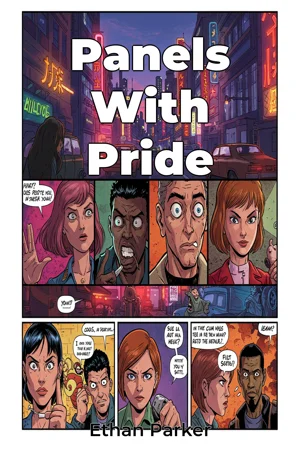
About This Book
How have LGBTQ+ characters and narratives transformed the landscape of comics, and what do these changes reveal about broader shifts in society and culture? "Panels With Pride" delves into the multifaceted rise of LGBTQ+ inclusion within both mainstream and independent comic book publishing. This book examines the industry's responses, explores the impact on audiences, and analyzes the market dynamics that have shaped this evolving landscape. This exploration is important because comics, as a visual and accessible medium, play a crucial role in shaping cultural perceptions and reflecting societal values related to sexual orientation and gender identity. The book argues that the increased visibility of LGBTQ+ representation in comics is not merely a trend, but rather a significant cultural phenomenon reflecting increasing acceptance and the growing demand for diverse narratives. This argument is crucial for understanding how popular media contributes to social change, and how marginalized communities gain visibility and influence within mainstream culture. "Panels With Pride" begins by establishing a historical context for LGBTQ+ representation in comics, examining early, often coded, depictions and tracing the evolution towards more overt and nuanced characters and storylines. The book then develops this foundation through several major points. First, it analyzes the internal dynamics of the comics industry itself, studying the roles of editors, creators, and publishers in promoting or hindering LGBTQ+ inclusion, paying particular attention to the policies and practices of major publishing houses versus independent publishers. Second, the book investigates the audience reception to LGBTQ+ characters and narratives, using fan studies methodologies and drawing on reader surveys and critical analyses of online communities. Here, marketing aspects are also discussed, such as sales data and promotional strategies, to understand how LGBTQ+ inclusive comics perform in the market. Third, it explores the ways in which comics engage with broader LGBTQ+ social and political movements, looking at how specific storylines reflect real-world issues and debates. The evidence and research presented in "Panels With Pride" draw from a variety of sources, including archival materials, interviews with comic book creators and industry professionals as well as audience research. The book also analyzes a wide range of comic books, from mainstream superhero titles to independent graphic novels, providing detailed textual analysis of LGBTQ+ representation. The book connects to fields such as sociology, gender studies, and media studies, to emphasize the interdisciplinary significance of comics as a cultural form. It offers a unique approach by combining industry analysis, audience reception studies, and textual criticism to provide a comprehensive understanding of LGBTQ+ inclusion in comics. The tone is academic but accessible, designed to engage both scholars and general readers interested in comics, LGBTQ+ studies, and popular culture. The target audience includes students and scholars in media studies, gender studies, and popular culture, as well as comic book enthusiasts and anyone interested in the intersection of LGBTQ+ issues and popular media. This book is valuable to them because it offers a comprehensive and nuanced analysis of a rapidly evolving cultural phenomenon. While the book aims to provide a broad overview of LGBTQ+ inclusion in comics, it primarily focuses on North American comics, acknowledging the limitations of generalizing these findings to other cultural contexts. The real-world application of this book lies in its potential to inform media literacy education, promote diversity and inclusion in the entertainment industry, and encourage more nuanced and representative storytelling. The book also addresses ongoing debates within the comics community and wider society regarding representation, authenticity, and the role of creators in telling marginalized stories.
How have LGBTQ+ characters and narratives transformed the landscape of comics, and what do these changes reveal about broader shifts in society and culture? "Panels With Pride" delves into the multifaceted rise of LGBTQ+ inclusion within both mainstream and independent comic book publishing. This book examines the industry's responses, explores the impact on audiences, and analyzes the market dynamics that have shaped this evolving landscape. This exploration is important because comics, as a visual and accessible medium, play a crucial role in shaping cultural perceptions and reflecting societal values related to sexual orientation and gender identity. The book argues that the increased visibility of LGBTQ+ representation in comics is not merely a trend, but rather a significant cultural phenomenon reflecting increasing acceptance and the growing demand for diverse narratives. This argument is crucial for understanding how popular media contributes to social change, and how marginalized communities gain visibility and influence within mainstream culture. "Panels With Pride" begins by establishing a historical context for LGBTQ+ representation in comics, examining early, often coded, depictions and tracing the evolution towards more overt and nuanced characters and storylines. The book then develops this foundation through several major points. First, it analyzes the internal dynamics of the comics industry itself, studying the roles of editors, creators, and publishers in promoting or hindering LGBTQ+ inclusion, paying particular attention to the policies and practices of major publishing houses versus independent publishers. Second, the book investigates the audience reception to LGBTQ+ characters and narratives, using fan studies methodologies and drawing on reader surveys and critical analyses of online communities. Here, marketing aspects are also discussed, such as sales data and promotional strategies, to understand how LGBTQ+ inclusive comics perform in the market. Third, it explores the ways in which comics engage with broader LGBTQ+ social and political movements, looking at how specific storylines reflect real-world issues and debates. The evidence and research presented in "Panels With Pride" draw from a variety of sources, including archival materials, interviews with comic book creators and industry professionals as well as audience research. The book also analyzes a wide range of comic books, from mainstream superhero titles to independent graphic novels, providing detailed textual analysis of LGBTQ+ representation. The book connects to fields such as sociology, gender studies, and media studies, to emphasize the interdisciplinary significance of comics as a cultural form. It offers a unique approach by combining industry analysis, audience reception studies, and textual criticism to provide a comprehensive understanding of LGBTQ+ inclusion in comics. The tone is academic but accessible, designed to engage both scholars and general readers interested in comics, LGBTQ+ studies, and popular culture. The target audience includes students and scholars in media studies, gender studies, and popular culture, as well as comic book enthusiasts and anyone interested in the intersection of LGBTQ+ issues and popular media. This book is valuable to them because it offers a comprehensive and nuanced analysis of a rapidly evolving cultural phenomenon. While the book aims to provide a broad overview of LGBTQ+ inclusion in comics, it primarily focuses on North American comics, acknowledging the limitations of generalizing these findings to other cultural contexts. The real-world application of this book lies in its potential to inform media literacy education, promote diversity and inclusion in the entertainment industry, and encourage more nuanced and representative storytelling. The book also addresses ongoing debates within the comics community and wider society regarding representation, authenticity, and the role of creators in telling marginalized stories.
"Panels With Pride" examines the increasing visibility of LGBTQ+ representation in comics, exploring how these narratives reflect broader cultural shifts and societal values. The book analyzes the comics industry's response to LGBTQ+ themes, delving into the roles of editors, creators, and publishers in either promoting or hindering inclusion. Notably, the book reveals how comics, as a visual medium, have played a crucial role in shaping cultural perceptions of gender identity and sexual orientation. The study progresses by examining the internal dynamics of the comics industry, audience reception, and engagement with LGBTQ+ social movements. It uses fan studies methodologies, analyzing reader surveys and online communities to understand how audiences receive LGBTQ+ characters. Furthermore, the book highlights how some storylines mirror real-world issues, connecting comics to broader social and political movements. This comprehensive approach, combining industry analysis, audience reception, and textual criticism, makes the book a valuable resource for those interested in media studies, gender studies, and popular culture.
Book Details
ISBN
9788235249401
Publisher
Publifye AS
Your Licenses
You don't own any licenses for this book
Purchase a license below to unlock this book and download the EPUB.
Purchase License
Select a tier to unlock this book
Need bulk licensing?
Contact us for enterprise agreements.