
About This Book
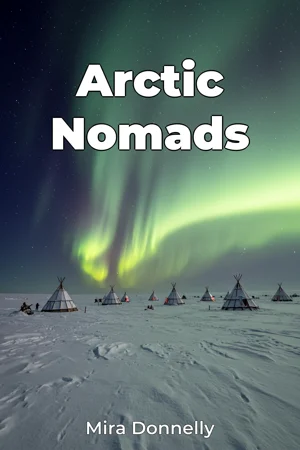
Imagine surviving where temperatures plummet to -50°C, resources are scarce, and daylight vanishes for months. "Arctic Nomads" delves into the remarkable lives of the indigenous peoples of the Arctic, exploring their unparalleled resilience, ingenious adaptations, and the profound transformations they face in a rapidly changing world. These societies, deeply intertwined with the land and its cycles, offer invaluable insights into human adaptability and the challenges of cultural preservation. This book examines three central themes: the intricate relationship between Arctic peoples and their environment, the evolution of their unique survival strategies, and the impact of modernization on their traditional way of life. Understanding these issues is crucial as climate change and globalization increasingly threaten the delicate balance of Arctic ecosystems and cultures, demanding immediate action and informed perspectives. Historically, Arctic communities developed sophisticated hunting techniques, utilizing every part of the animals they harvested. Their nomadic existence followed the seasonal migrations of game, shaping their social structures and spiritual beliefs. Now, these communities navigate external pressures that challenge their ability to continue their traditional lifestyles. "Arctic Nomads" argues that preserving the knowledge and cultural heritage of these indigenous groups is essential, not only for their well-being but also for humanity's understanding of sustainable living in extreme environments. The book's structure first introduces the diverse groups inhabiting the Arctic regions, highlighting their distinct languages, customs, and historical backgrounds. It then explores their unique adaptations to the cold, including their diet, clothing, shelter, and methods of hunting and transportation. Finally, it investigates the multifaceted impacts of modernization, focusing on climate change, resource extraction, government policies, and the introduction of technology, examining both the opportunities and challenges these changes present. The evidence presented in "Arctic Nomads" draws upon a wide range of sources, including anthropological studies, ethnographic research, historical accounts, and contemporary interviews with Arctic residents. These data provide a comprehensive picture of the past, present, and future of these unique societies. "Arctic Nomads" connects to several academic disciplines, including anthropology, environmental studies, and sociology, providing a holistic understanding of Arctic cultures. It also resonates with political science, exploring issues of indigenous rights and self-determination, and with economics, examining the impacts of resource development on local communities. This interdisciplinary approach enriches the discussion and amplifies the book's central argument. This book offers a balanced perspective, acknowledging both the positive and negative aspects of modernization, and resists romanticizing or generalizing experiences across all Arctic communities. The tone is factual and respectful, aiming to inform and engage readers without sensationalizing the challenges faced by these groups. The intended audience includes students of history, social science, and environmental studies, as well as general readers interested in learning about indigenous cultures and the Arctic. The book offers value by providing a detailed and accessible overview of a region and its people often overlooked in mainstream discourse. As a work of history and social science, "Arctic Nomads" adheres to principles of accuracy, objectivity, and evidence-based analysis. The scope is broad, covering numerous Arctic regions and cultural groups, but it does not delve into overly specific or technical details. The information presented can be applied in real-world contexts, such as informing policy decisions related to Arctic development, supporting indigenous-led initiatives, and promoting cross-cultural understanding. "Arctic Nomads" contributes to ongoing debates about the balance between economic development, environmental protection, and cultural preservation in the Arctic, aiming to foster informed dialogue and responsible action.
Imagine surviving where temperatures plummet to -50°C, resources are scarce, and daylight vanishes for months. "Arctic Nomads" delves into the remarkable lives of the indigenous peoples of the Arctic, exploring their unparalleled resilience, ingenious adaptations, and the profound transformations they face in a rapidly changing world. These societies, deeply intertwined with the land and its cycles, offer invaluable insights into human adaptability and the challenges of cultural preservation. This book examines three central themes: the intricate relationship between Arctic peoples and their environment, the evolution of their unique survival strategies, and the impact of modernization on their traditional way of life. Understanding these issues is crucial as climate change and globalization increasingly threaten the delicate balance of Arctic ecosystems and cultures, demanding immediate action and informed perspectives. Historically, Arctic communities developed sophisticated hunting techniques, utilizing every part of the animals they harvested. Their nomadic existence followed the seasonal migrations of game, shaping their social structures and spiritual beliefs. Now, these communities navigate external pressures that challenge their ability to continue their traditional lifestyles. "Arctic Nomads" argues that preserving the knowledge and cultural heritage of these indigenous groups is essential, not only for their well-being but also for humanity's understanding of sustainable living in extreme environments. The book's structure first introduces the diverse groups inhabiting the Arctic regions, highlighting their distinct languages, customs, and historical backgrounds. It then explores their unique adaptations to the cold, including their diet, clothing, shelter, and methods of hunting and transportation. Finally, it investigates the multifaceted impacts of modernization, focusing on climate change, resource extraction, government policies, and the introduction of technology, examining both the opportunities and challenges these changes present. The evidence presented in "Arctic Nomads" draws upon a wide range of sources, including anthropological studies, ethnographic research, historical accounts, and contemporary interviews with Arctic residents. These data provide a comprehensive picture of the past, present, and future of these unique societies. "Arctic Nomads" connects to several academic disciplines, including anthropology, environmental studies, and sociology, providing a holistic understanding of Arctic cultures. It also resonates with political science, exploring issues of indigenous rights and self-determination, and with economics, examining the impacts of resource development on local communities. This interdisciplinary approach enriches the discussion and amplifies the book's central argument. This book offers a balanced perspective, acknowledging both the positive and negative aspects of modernization, and resists romanticizing or generalizing experiences across all Arctic communities. The tone is factual and respectful, aiming to inform and engage readers without sensationalizing the challenges faced by these groups. The intended audience includes students of history, social science, and environmental studies, as well as general readers interested in learning about indigenous cultures and the Arctic. The book offers value by providing a detailed and accessible overview of a region and its people often overlooked in mainstream discourse. As a work of history and social science, "Arctic Nomads" adheres to principles of accuracy, objectivity, and evidence-based analysis. The scope is broad, covering numerous Arctic regions and cultural groups, but it does not delve into overly specific or technical details. The information presented can be applied in real-world contexts, such as informing policy decisions related to Arctic development, supporting indigenous-led initiatives, and promoting cross-cultural understanding. "Arctic Nomads" contributes to ongoing debates about the balance between economic development, environmental protection, and cultural preservation in the Arctic, aiming to foster informed dialogue and responsible action.
"Arctic Nomads" explores the extraordinary lives and cultures of the indigenous peoples inhabiting the Arctic region, focusing on their resourcefulness, unique environmental adaptations, and the impacts of a rapidly changing world. These resourceful groups have developed sophisticated survival strategies, such as intricate hunting techniques and nomadic existence following game migrations, allowing them to thrive in extreme conditions where temperatures plummet and daylight disappears for months. The book highlights the delicate balance between these ancient traditions and the pressures of modernization. The study approaches its subject by first introducing the diverse groups of the Arctic, then analyzing their unique adaptations to the cold, and finally investigating the many effects of modernization, including climate change and resource extraction. Understanding the history of Arctic culture emphasizes the importance of cultural preservation as climate change and globalization increasingly threaten the Arctic ecosystems. Ultimately, this book argues that preserving the knowledge of these indigenous groups is essential, not only for their well-being but for broader insights into sustainable living.
Book Details
ISBN
9788235249340
Publisher
Publifye AS
Your Licenses
You don't own any licenses for this book
Purchase a license below to unlock this book and download the EPUB.
Purchase License
Select a tier to unlock this book
Need bulk licensing?
Contact us for enterprise agreements.