
About This Book
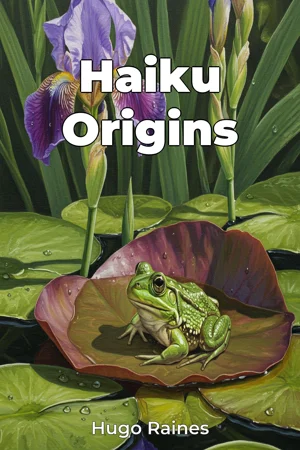
How did a poetic form, seemingly simple, capture the world's imagination? "Haiku Origins" delves into the fascinating history and evolution of haiku, tracing its emergence from classical Japanese poetry to its global embrace as a powerful mode of expression. This book explores the intricate interplay of language, culture, and aesthetics that shaped haiku and its enduring appeal. We'll examine three key aspects of haiku's development. First, we investigate its roots in earlier Japanese poetic forms like *tanka* and *hokku*, emphasizing how haiku distilled the essence of these forms into its concise structure. Second, we analyze the core structural components of haiku – the *kigo* (seasonal word), the *kireji* (cutting word), and the 5-7-5 syllable structure – clarifying their functions and significance in conveying layered meanings within a limited space. Finally, we track haiku’s journey beyond Japan, assessing its adaptation and interpretation in diverse cultures and languages. To understand haiku’s significance, we must contextualize its development within the broader history of Japanese literature and aesthetics. From the influence of Zen Buddhism to the artistic sensibilities of the Edo period, many cultural factors shaped haiku. No prior knowledge of Japanese language or culture is needed, as the book provides easily understood explanations of key terms and concepts. The central argument of "Haiku Origins" is that haiku's deceptively simple structure belies a profound depth of artistic expression. It’s not merely a short poem; it’s a carefully constructed vessel for capturing fleeting moments of perception, evoking emotions, and connecting the reader to the natural world. Understanding this artfulness is crucial for appreciating haiku fully and its continuing influence on contemporary poetry and mindfulness practices. The book unfolds in a logical sequence. We begin by introducing haiku's historical predecessors and defining its core characteristics. The following sections delve into the evolution of haiku through the works of master poets like Basho, Buson, Issa, and Shiki. We explore the subtle nuances of their techniques, showing how they employed imagery, sound, and rhythm to create resonant and impactful poems. The book culminates by examining haiku's global spread and its impact on other art forms. Our analysis relies on a rich collection of sources, including original Japanese haiku (presented both in translation and transliteration), critical essays by leading scholars, and historical documents that shed light on the cultural context in which haiku flourished. We also consider the impact of technology and social media and how they have influenced the creation and consumption of haiku in the 21st century. "Haiku Origins" connects to fields outside literature, including history, cultural studies, and linguistics. The book demonstrates how haiku reflects broader social and philosophical trends in Japan and how its formal features offer unique insights into the nature of language and perception. The book offers a unique perspective by emphasizing the dynamic interplay between form and content in haiku, showing how the constraints of the 5-7-5 structure actually enhance creative possibilities. The book is written in an accessible style, making it suitable for both academic readers and anyone with an interest in poetry or Japanese culture in general. The target audience includes students of literature, creative writing enthusiasts, and anyone seeking a deeper understanding of this unique poetic form. It offers a comprehensive yet concise overview for a reader interested in non-fiction. While focusing on the history and structural elements of haiku, this book does not delve into the technical aspects of writing it. Its scope is intentionally limited to providing historical context and analytical tools, enabling readers to appreciate the artistry and cultural significance of haiku. The insights offered in "Haiku Origins" have practical application. It encourages readers to cultivate mindfulness in their own lives, finding inspiration in moments of everyday beauty, and to experiment with concise and evocative language to capture their experiences. While controversies surrounding the "correct" interpretation of individual haiku exist, the book does not take a specific perspective, but rather presents different aspects of the ongoing discussion.
How did a poetic form, seemingly simple, capture the world's imagination? "Haiku Origins" delves into the fascinating history and evolution of haiku, tracing its emergence from classical Japanese poetry to its global embrace as a powerful mode of expression. This book explores the intricate interplay of language, culture, and aesthetics that shaped haiku and its enduring appeal. We'll examine three key aspects of haiku's development. First, we investigate its roots in earlier Japanese poetic forms like *tanka* and *hokku*, emphasizing how haiku distilled the essence of these forms into its concise structure. Second, we analyze the core structural components of haiku – the *kigo* (seasonal word), the *kireji* (cutting word), and the 5-7-5 syllable structure – clarifying their functions and significance in conveying layered meanings within a limited space. Finally, we track haiku’s journey beyond Japan, assessing its adaptation and interpretation in diverse cultures and languages. To understand haiku’s significance, we must contextualize its development within the broader history of Japanese literature and aesthetics. From the influence of Zen Buddhism to the artistic sensibilities of the Edo period, many cultural factors shaped haiku. No prior knowledge of Japanese language or culture is needed, as the book provides easily understood explanations of key terms and concepts. The central argument of "Haiku Origins" is that haiku's deceptively simple structure belies a profound depth of artistic expression. It’s not merely a short poem; it’s a carefully constructed vessel for capturing fleeting moments of perception, evoking emotions, and connecting the reader to the natural world. Understanding this artfulness is crucial for appreciating haiku fully and its continuing influence on contemporary poetry and mindfulness practices. The book unfolds in a logical sequence. We begin by introducing haiku's historical predecessors and defining its core characteristics. The following sections delve into the evolution of haiku through the works of master poets like Basho, Buson, Issa, and Shiki. We explore the subtle nuances of their techniques, showing how they employed imagery, sound, and rhythm to create resonant and impactful poems. The book culminates by examining haiku's global spread and its impact on other art forms. Our analysis relies on a rich collection of sources, including original Japanese haiku (presented both in translation and transliteration), critical essays by leading scholars, and historical documents that shed light on the cultural context in which haiku flourished. We also consider the impact of technology and social media and how they have influenced the creation and consumption of haiku in the 21st century. "Haiku Origins" connects to fields outside literature, including history, cultural studies, and linguistics. The book demonstrates how haiku reflects broader social and philosophical trends in Japan and how its formal features offer unique insights into the nature of language and perception. The book offers a unique perspective by emphasizing the dynamic interplay between form and content in haiku, showing how the constraints of the 5-7-5 structure actually enhance creative possibilities. The book is written in an accessible style, making it suitable for both academic readers and anyone with an interest in poetry or Japanese culture in general. The target audience includes students of literature, creative writing enthusiasts, and anyone seeking a deeper understanding of this unique poetic form. It offers a comprehensive yet concise overview for a reader interested in non-fiction. While focusing on the history and structural elements of haiku, this book does not delve into the technical aspects of writing it. Its scope is intentionally limited to providing historical context and analytical tools, enabling readers to appreciate the artistry and cultural significance of haiku. The insights offered in "Haiku Origins" have practical application. It encourages readers to cultivate mindfulness in their own lives, finding inspiration in moments of everyday beauty, and to experiment with concise and evocative language to capture their experiences. While controversies surrounding the "correct" interpretation of individual haiku exist, the book does not take a specific perspective, but rather presents different aspects of the ongoing discussion.
"Haiku Origins" explores the captivating evolution of haiku, revealing its journey from classical Japanese poetry to a globally embraced art form. Delving into literary and cultural history, the book illuminates how elements like *kigo* (seasonal word) and *kireji* (cutting word) contribute to haiku's layered meanings within its concise structure. Haiku's deceptively simple 5-7-5 syllable structure belies its profound artistry, offering a unique vessel for capturing fleeting moments and evoking emotions. The book traces haiku's roots in earlier Japanese forms like *tanka* and *hokku*, highlighting its development through the works of master poets such as Basho and Issa. Understanding haiku's historical context, including the influence of Zen Buddhism and the Edo period, is key to appreciating its significance. Each chapter builds upon the last, beginning with historical predecessors and culminating in an examination of haiku's global spread and impact on other art forms. By analyzing original Japanese haiku and critical essays, "Haiku Origins" connects to broader fields like history, cultural studies, and linguistics. It emphasizes the dynamic interplay between form and content, showing how the constraints of the structure enhance creative possibilities, making it valuable to both academic readers and anyone interested in poetry or Japanese culture.
Book Details
ISBN
9788235249289
Publisher
Publifye AS
Your Licenses
You don't own any licenses for this book
Purchase a license below to unlock this book and download the EPUB.
Purchase License
Select a tier to unlock this book
Need bulk licensing?
Contact us for enterprise agreements.