
About This Book
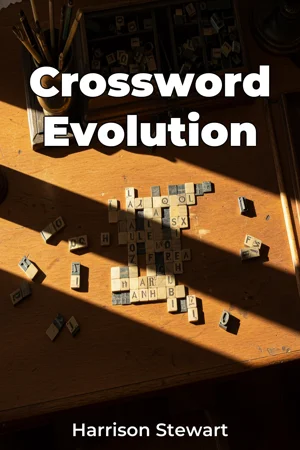
What began as a simple word game in a newspaper has evolved into a global phenomenon, deeply intertwined with education, cognitive science, and popular culture. "Crossword Evolution" explores this journey, tracing the crossword puzzle from its humble origins to its multifaceted role in modern society. This book argues that the crossword is more than just a pastime; it’s a reflection of our collective intellect, a tool for cognitive enhancement, and a subtle but powerful force in shaping language and thought. This book delves into three principal areas: the historical development of the crossword, its impact on cognitive function, and its significance within the broader landscape of newspaper culture and beyond. Understanding these aspects is crucial to appreciating how a seemingly simple puzzle has permeated various facets of our lives. "Crossword Evolution" begins with a historical overview, detailing the invention of the crossword by Arthur Wynne in 1913 and its rapid spread throughout the United States and the world. We examine the cultural factors that contributed to its popularity, including its role as a morale booster during times of crisis and its adaptation to different languages and cultures. This section relies on archival research from newspaper collections, early puzzle books, and personal accounts from crossword constructors and solvers. The second major section explores the cognitive benefits of solving crosswords. Drawing upon studies in cognitive psychology and neuroscience, we examine how regular crossword participation can improve memory, enhance problem-solving skills, and even delay the onset of cognitive decline. We scrutinize research methodologies used in these studies, addressing both the strengths and limitations of current findings, and explore the potential of crosswords as a tool for both cognitive training and assessment. The final section examines the crossword's enduring presence in newspaper culture and its evolution into digital formats. This covers the role of influential editors, the development of crossword themes and styles, and the challenges and opportunities presented by online and app-based puzzles. We analyze data on crossword consumption, explore the dynamics between constructors and solvers, and consider the future of the crossword in an increasingly digital world. The central argument of "Crossword Evolution" posits that the crossword puzzle, far from being a trivial pursuit, serves as an engaging and accessible form of cognitive exercise, contributing to both individual mental well-being and the collective intellectual life of society. This argument is supported by a synthesis of historical analysis, scientific research, and cultural commentary. This book connects to several interdisciplinary fields, including linguistics, cognitive science, and media studies. Linguistics informs our understanding of wordplay and language evolution within crosswords. Cognitive science provides insights into the mental processes involved in puzzle-solving. Media studies helps us understand the crossword's role in shaping public discourse and popular culture. "Crossword Evolution" distinguishes itself by combining a comprehensive historical narrative with a rigorous analysis of cognitive research and cultural trends. The book adopts a balanced and objective tone, presenting evidence from multiple perspectives and acknowledging areas of ongoing debate. The target audience includes crossword enthusiasts, educators, cognitive science researchers, and anyone interested in the history of popular culture. This book provides valuable insights into the crossword's past, present, and potential future. As a work of non-fiction, "Crossword Evolution" adheres to principles of accuracy, objectivity, and transparency. All sources are meticulously documented, and claims are supported by verifiable evidence. The scope of the book is limited to the English-language crossword puzzle, although it acknowledges the existence and evolution of crosswords in other languages. The book does not delve into other types of puzzles in detail, focusing primarily on the standard grid-based crossword format. The information in "Crossword Evolution" can be applied practically by educators seeking to incorporate puzzles into their curricula, by cognitive training specialists looking for engaging and accessible methods for improving cognitive function, and by individuals seeking to enhance their own mental well-being. "Crossword Evolution" also addresses controversies surrounding the purported benefits of brain training games. By presenting a balanced view of the evidence, we aim to provide readers with the tools to critically evaluate claims about the cognitive effects of puzzles.
What began as a simple word game in a newspaper has evolved into a global phenomenon, deeply intertwined with education, cognitive science, and popular culture. "Crossword Evolution" explores this journey, tracing the crossword puzzle from its humble origins to its multifaceted role in modern society. This book argues that the crossword is more than just a pastime; it’s a reflection of our collective intellect, a tool for cognitive enhancement, and a subtle but powerful force in shaping language and thought. This book delves into three principal areas: the historical development of the crossword, its impact on cognitive function, and its significance within the broader landscape of newspaper culture and beyond. Understanding these aspects is crucial to appreciating how a seemingly simple puzzle has permeated various facets of our lives. "Crossword Evolution" begins with a historical overview, detailing the invention of the crossword by Arthur Wynne in 1913 and its rapid spread throughout the United States and the world. We examine the cultural factors that contributed to its popularity, including its role as a morale booster during times of crisis and its adaptation to different languages and cultures. This section relies on archival research from newspaper collections, early puzzle books, and personal accounts from crossword constructors and solvers. The second major section explores the cognitive benefits of solving crosswords. Drawing upon studies in cognitive psychology and neuroscience, we examine how regular crossword participation can improve memory, enhance problem-solving skills, and even delay the onset of cognitive decline. We scrutinize research methodologies used in these studies, addressing both the strengths and limitations of current findings, and explore the potential of crosswords as a tool for both cognitive training and assessment. The final section examines the crossword's enduring presence in newspaper culture and its evolution into digital formats. This covers the role of influential editors, the development of crossword themes and styles, and the challenges and opportunities presented by online and app-based puzzles. We analyze data on crossword consumption, explore the dynamics between constructors and solvers, and consider the future of the crossword in an increasingly digital world. The central argument of "Crossword Evolution" posits that the crossword puzzle, far from being a trivial pursuit, serves as an engaging and accessible form of cognitive exercise, contributing to both individual mental well-being and the collective intellectual life of society. This argument is supported by a synthesis of historical analysis, scientific research, and cultural commentary. This book connects to several interdisciplinary fields, including linguistics, cognitive science, and media studies. Linguistics informs our understanding of wordplay and language evolution within crosswords. Cognitive science provides insights into the mental processes involved in puzzle-solving. Media studies helps us understand the crossword's role in shaping public discourse and popular culture. "Crossword Evolution" distinguishes itself by combining a comprehensive historical narrative with a rigorous analysis of cognitive research and cultural trends. The book adopts a balanced and objective tone, presenting evidence from multiple perspectives and acknowledging areas of ongoing debate. The target audience includes crossword enthusiasts, educators, cognitive science researchers, and anyone interested in the history of popular culture. This book provides valuable insights into the crossword's past, present, and potential future. As a work of non-fiction, "Crossword Evolution" adheres to principles of accuracy, objectivity, and transparency. All sources are meticulously documented, and claims are supported by verifiable evidence. The scope of the book is limited to the English-language crossword puzzle, although it acknowledges the existence and evolution of crosswords in other languages. The book does not delve into other types of puzzles in detail, focusing primarily on the standard grid-based crossword format. The information in "Crossword Evolution" can be applied practically by educators seeking to incorporate puzzles into their curricula, by cognitive training specialists looking for engaging and accessible methods for improving cognitive function, and by individuals seeking to enhance their own mental well-being. "Crossword Evolution" also addresses controversies surrounding the purported benefits of brain training games. By presenting a balanced view of the evidence, we aim to provide readers with the tools to critically evaluate claims about the cognitive effects of puzzles.
"Crossword Evolution" explores the surprising journey of crossword puzzles from a simple newspaper game to a significant element of popular culture, cognitive science, and education. The book argues that crosswords serve as more than just entertainment; they are a reflection of collective intellect and a tool for cognitive enhancement. Intriguingly, the crossword's invention is traced back to Arthur Wynne in 1913, and its popularity surged as a morale booster during challenging times. The book delves into the crossword's historical development, its impact on cognitive function, and its place within newspaper culture. Drawing on cognitive psychology and neuroscience, the book examines how regular puzzle solving can improve memory and problem-solving skills. "Crossword Evolution" distinguishes itself by blending historical narrative with analysis of cognitive research and cultural trends. The book progresses from the crossword's origins to its cognitive benefits and its enduring presence in popular media. It also addresses controversies surrounding brain training games, offering a balanced view of evidence. Ultimately, the book presents the crossword as an engaging form of cognitive exercise that benefits individual mental well-being and society's intellectual life.
Book Details
ISBN
9788235249272
Publisher
Publifye AS
Your Licenses
You don't own any licenses for this book
Purchase a license below to unlock this book and download the EPUB.
Purchase License
Select a tier to unlock this book
Need bulk licensing?
Contact us for enterprise agreements.